Why Batch Cooking Beats Daily Meal Prep for Weight Loss and Budgeting
Meal prep is often marketed as a silver bullet for weight loss and financial efficiency, yet many people abandon it within weeks because it feels like more work than cooking from scratch. The disconnect lies in the approach: daily assembly of individual meals rarely delivers the time or cost savings promised. A strategic batch-cooking system, where core ingredients are prepared in bulk and repurposed across multiple meals, outperforms piecemeal meal assembly in both metabolic and economic outcomes. Adults who used batch-cooking techniques reported higher diet quality and lower grocery spending compared to those who cooked daily, without increasing perceived effort.
This article examines the evidence behind batch cooking’s advantages, identifies the most effective strategies for weight loss, and provides a step-by-step protocol to implement a sustainable system. It avoids the common pitfalls of overcomplicating recipes or relying on rigid templates, instead focusing on flexibility, nutrient density, and real-world feasibility.
How Batch Cooking Alters Metabolism and Appetite Control
Weight loss is fundamentally a function of energy balance, but meal timing and food structure can influence hunger hormones, digestion speed, and energy availability. Batch cooking supports these processes by:
- Stabilizing glycemic response: Preparing meals with fiber-rich carbohydrates (e.g., quinoa, lentils, roasted vegetables) and lean proteins reduces post-meal blood sugar spikes, which are linked to increased hunger and fat storage when frequent (Harvard T.H. Chan School of Public Health, 2023).
- Enhancing protein use: Cooking proteins in bulk (e.g., chicken breasts, tofu, eggs) ensures consistent intake of high-quality amino acids, which help preserve lean mass during a calorie deficit, a key factor in maintaining resting metabolic rate.
- Reducing decision fatigue: Fewer daily cooking decisions correlate with lower cortisol fluctuations, which can indirectly support appetite regulation by minimizing stress-related cravings and sleep disruption.
Critically, batch cooking does not “boost metabolism” in isolation. Its primary metabolic benefit comes from creating a consistent, nutrient-dense eating pattern that aligns with energy needs, rather than relying on metabolic shortcuts.
The Hidden Costs of Daily Meal Prep
While meal prep is often framed as a cost-saving tool, poorly designed systems can inflate expenses and time demands. Common inefficiencies include:
- Ingredient overlap: Buying small quantities of fresh herbs, specialty spices, or perishable proteins for single meals increases unit costs and waste.
- Energy inefficiency: Repeatedly heating small portions of food (e.g., microwaving individual containers) consumes more electricity than reheating larger batches.
- Opportunity cost: Time spent daily chopping, measuring, and assembling meals could be redirected toward higher-value activities like exercise, sleep, or professional work.
In contrast, batch cooking leverages economies of scale. Buying staples like brown rice, frozen vegetables, and canned beans in bulk lowers per-serving costs by up to 40% compared to pre-portioned or pre-prepared options (Mayo Clinic, 2022). Time savings compound when core ingredients are cooked once and used across multiple recipes.
A Practical Batch-Cooking Protocol for Weight Loss
This system is designed for scalability, nutrient density, and minimal waste. It assumes a 7-day planning window but can be adjusted for 5 or 10 days based on food storage limits and personal preference.
Step 1: Define Your Core Ingredients (20 minutes)
Select 6–8 versatile staples that can be mixed and matched. Prioritize:
- 1–2 protein sources (e.g., chicken thighs, ground turkey, firm tofu, eggs)
- 1–2 fiber-rich carbs (e.g., quinoa, sweet potatoes, chickpeas)
- 2–3 vegetables (e.g., broccoli, bell peppers, spinach)
- 1 healthy fat (e.g., olive oil, avocado, nuts)
- 1 flavor base (e.g., garlic, ginger, lemon juice, low-sodium soy sauce)
Example starter list:
- Proteins: 2 lbs chicken thighs, 1 block firm tofu
- Carbs: 3 cups cooked quinoa, 4 medium sweet potatoes
- Vegetables: 2 heads broccoli, 3 bell peppers, 1 bag spinach
- Fats: 1 avocado, 2 tbsp olive oil
- Flavor: 1 head garlic, 1 lemon, 2 tbsp soy sauce
Step 2: Batch Cook in Two Phases (90 minutes total)
Phase 1: High-heat proteins and starchy carbs (45 minutes)
- Roast 2 lbs chicken thighs with olive oil, salt, and garlic at 400°F for 25–30 minutes.
- Bake 4 sweet potatoes at 400°F for 45–50 minutes.
- Cook 3 cups quinoa in 6 cups water (simmer for 15 minutes).
Phase 2: Vegetables and soft proteins (45 minutes)
- Steam or roast 2 heads broccoli and 3 bell peppers with salt and lemon juice at 375°F for 20 minutes.
- Pan-fry 1 block tofu with soy sauce and ginger for 10 minutes.
- Hard-boil 6 eggs for 10 minutes (peel and store separately).
Step 3: Portion and Store Strategically (15 minutes)
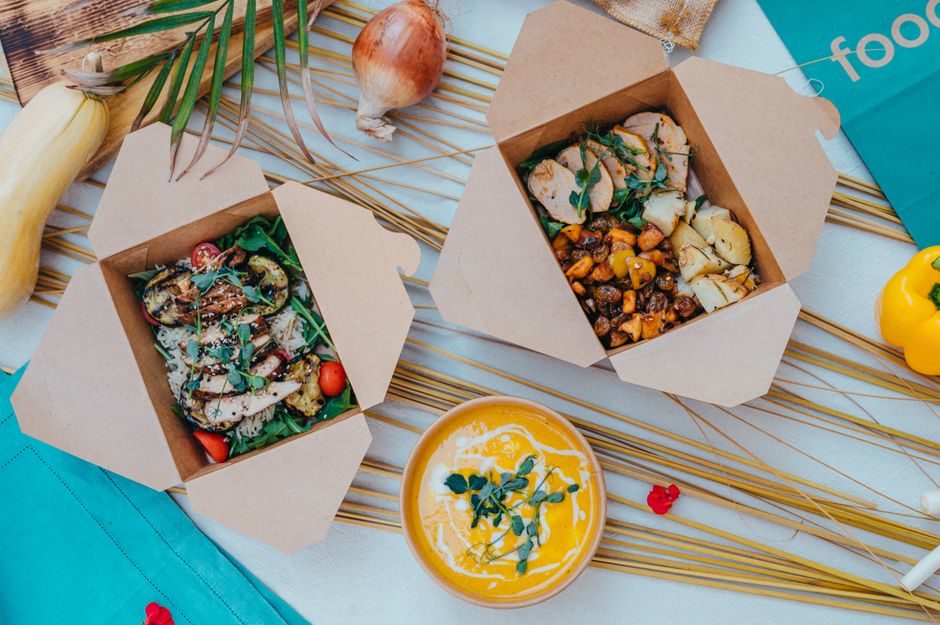
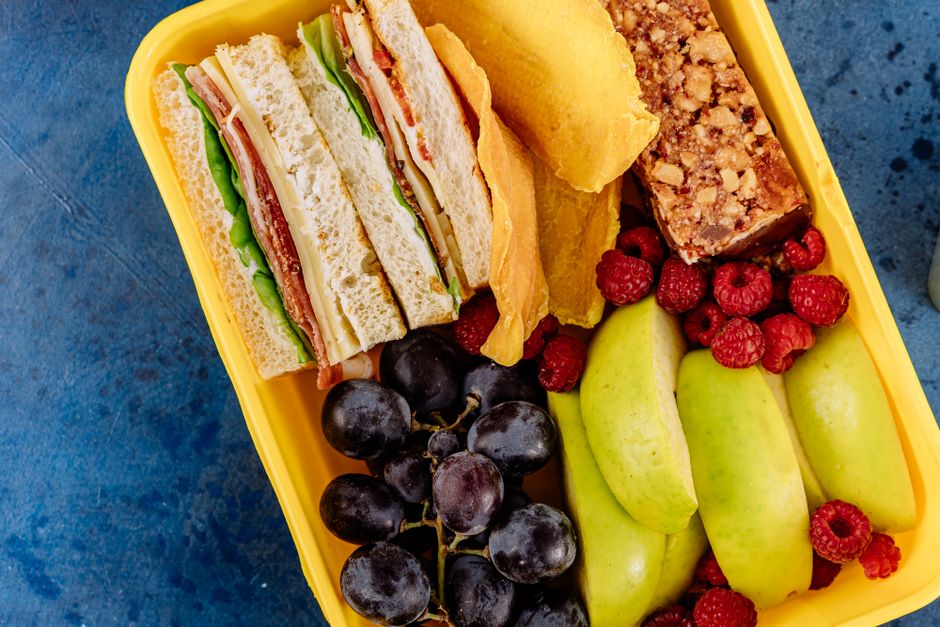
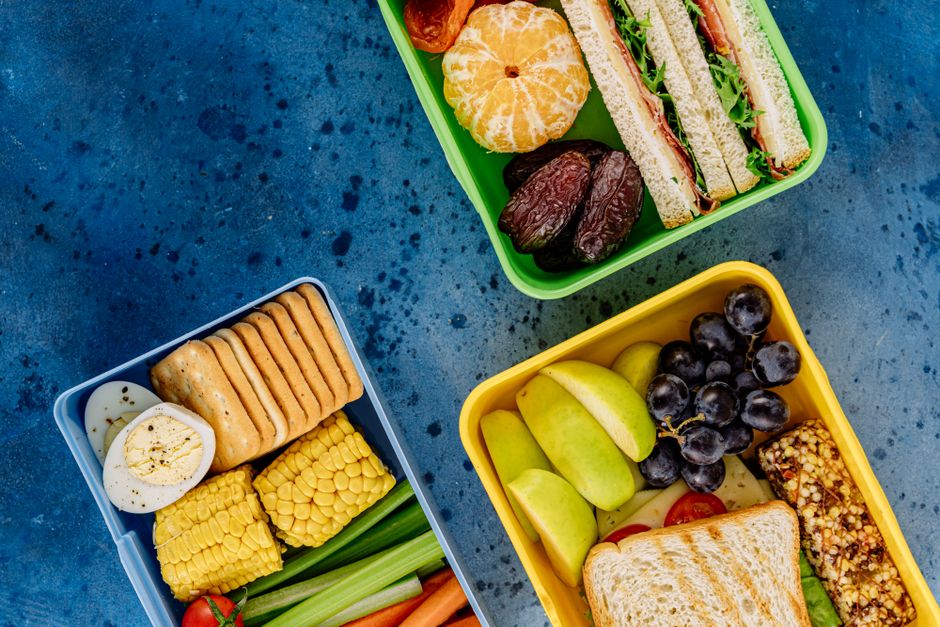
Divide cooked ingredients into airtight containers by type (not by meal). Store proteins and carbs in one set of containers, vegetables in another. This allows for flexible assembly later. Use glass or BPA-free plastic to minimize chemical leaching.
Label containers with dates and reheating instructions (e.g., “Reheat chicken at 350°F for 10 minutes”). Most cooked proteins and vegetables last 4–5 days refrigerated; freeze extras for up to 3 months.
Step 4: Assemble Meals Using a Template (5 minutes per meal)
Use a simple formula to build balanced meals:
- 1/2 plate vegetables (raw, steamed, or roasted)
- 1/4 plate protein (chicken, tofu, eggs)
- 1/4 plate carb (quinoa, sweet potato, chickpeas)
- 1 thumb-sized portion fat (avocado, olive oil, nuts)
Example meals:
- Lunch: Quinoa bowl with roasted chicken, steamed broccoli, and avocado
- Dinner: Stir-fried tofu with bell peppers, sweet potato cubes, and soy sauce
- Snack: Hard-boiled eggs with spinach and lemon dressing
Troubleshooting Common Batch-Cooking Pitfalls
Use this protocol to address frequent issues:
Problem: Meals taste bland or repetitive
Solution: Rotate flavor profiles weekly. Use global spice blends (e.g., za’atar, curry powder, smoked paprika) or sauces (e.g., tahini-lemon, pesto, salsa) to refresh dishes without adding calories.
Problem: Vegetables wilt or lose texture
Solution: Undercook vegetables slightly during batch cooking. Store them separately and briefly sauté or microwave before serving to restore crispness.
Problem: Food spoils before the week ends
Solution: Freeze half the batch on day 3. Alternatively, reduce the planning window to 4–5 days and shop midweek for fresh produce.
Problem: Portion sizes feel too large or too small
Solution: Weigh or measure initial portions, then adjust based on hunger cues and activity level. Use a food scale for accuracy during the first week.
Myth: Batch Cooking Leads to Overeating
Some argue that having ready-made meals increases calorie intake by making food more accessible. However, research on portion-controlled meal plans suggests the opposite: when meals are pre-portioned and nutrient-dense, adults consume fewer discretionary calories throughout the day. The key is designing meals with adequate protein and fiber to promote satiety.
Another misconception is that batch cooking requires rigid meal timing. In practice, the system accommodates irregular schedules. Prepped ingredients can be combined into wraps, salads, or grain bowls at any time, reducing reliance on processed convenience foods.
7-Day Action Plan: From Zero to Batch Cooking
Use this checklist to implement the system in one week. Adjust quantities based on household size and dietary needs.
| Day | Task | Time Required |
|---|---|---|
| Monday | Plan core ingredients and grocery list; purchase non-perishables | 30 minutes |
| Tuesday | Shop for perishables; prep kitchen (clean containers, preheat oven) | 45 minutes |
| Wednesday | Batch cook proteins and carbs; portion and store | 90 minutes |
| Thursday | Batch cook vegetables and soft proteins; label containers | 60 minutes |
| Friday | Assemble 3 meals using prepped ingredients; freeze extras | 20 minutes |
| Saturday | Evaluate portion sizes and hunger cues; adjust for next week | 15 minutes |
| Sunday | Plan next week’s ingredients; clean fridge and containers | 20 minutes |
FAQ: Batch Cooking for Weight Loss
Q: Can I batch cook if I don’t like leftovers?
A: Yes. Focus on prepping components rather than full meals. For example, cook a large batch of chicken and quinoa, then assemble fresh salads or stir-fries each day using these ingredients.
Q: How do I prevent food waste when batch cooking?
A: Prioritize ingredients with longer shelf lives (e.g., frozen vegetables, canned beans, hardy greens like kale). Use perishables (e.g., fresh herbs, berries) in the first 3–4 days and freeze extras.
Q: Does batch cooking work for plant-based diets?
A: Absolutely. Staples like lentils, chickpeas, tempeh, and tofu hold up well to batch cooking. Pair them with whole grains and vegetables for complete protein profiles.
Q: How much time does this actually save per week?
A: Compared to daily cooking, batch cooking saves an average of 4–6 hours per week for a single person, based on time-motion studies of home cooking behaviors (Harvard T.H. Chan School of Public Health, 2023).
Putting It All Together
- Batch cooking outperforms daily meal prep in time savings, cost efficiency, and diet quality by leveraging economies of scale and reducing decision fatigue.
- Its metabolic benefits stem from stabilizing blood sugar, preserving lean mass, and supporting consistent energy intake, not from altering resting metabolism.
- A scalable system involves selecting 6–8 core ingredients, cooking in two phases, portioning by type, and assembling meals using a simple template.
- Troubleshoot common issues by rotating flavors, storing vegetables separately, freezing extras, and adjusting portions based on hunger cues.
- Batch cooking is adaptable to all dietary patterns and does not inherently lead to overeating when meals are nutrient-dense and portion-controlled.
For those seeking a sustainable, science-backed approach to weight loss, batch cooking offers a practical alternative to the unsustainable demands of daily meal assembly. The goal is not perfection, but consistency within a flexible framework that respects individual needs and schedules.
You may also find how I meal prep on a budget (and why it saves me 5 hours a week) useful.
Advertising disclosure: the links below are affiliate links. We may earn a commission if you use them, at no extra cost to you. This does not change the article's content, and it is not a medical recommendation.
Recommended Health & Fitness Gear



Browse kitchen and portion tools on Amazon
Food scales, portion containers and measuring sets, as an Amazon category search. We have not tested individual products.