Why Most Meal Plans Fail, and How to Build One That Lasts
Weight loss meal planning often stalls because it assumes a one-size-fits-all approach. Yet the most effective strategies align with real-life constraints: time, budget, and personal preferences. Sustainable changes, rather than rigid rules, drive long-term success. Flexible dietary patterns, not extreme restrictions, better support adherence and metabolic health.
This guide focuses on practical frameworks that prioritize consistency over perfection. The goal isn’t to overhaul your diet overnight but to integrate small, evidence-based habits that fit your lifestyle.
Start with Your Energy Needs, Not a Generic Template
Caloric targets matter, but they’re only part of the equation. The body’s energy balance responds to more than just food intake, appetite hormones like ghrelin (which signals hunger) and leptin (which regulates fullness) fluctuate with sleep, stress, and meal timing. Harvard’s Nutrition Source emphasizes that meal composition (protein, fiber, healthy fats) plays a critical role in satiety and metabolic stability.
To estimate your needs:
- Calculate your Total Daily Energy Expenditure (TDEE): Use an online calculator as a starting point, then adjust based on weekly weight trends. If weight loss stalls after two weeks, reduce calories by 100–150 per day.
- Prioritize protein: Aim for 1.2–1.6 grams per kilogram of body weight daily to preserve lean mass and curb cravings. Lean meats, legumes, and dairy are efficient sources.
- Volume eating works: High-water, high-fiber foods (vegetables, broths, whole fruits) can reduce calorie density without sacrificing portion size.
Design a Plan That Fits Your Schedule
Meal prep doesn’t require Sunday marathons. The key is to batch tasks that align with your natural rhythm. For example:
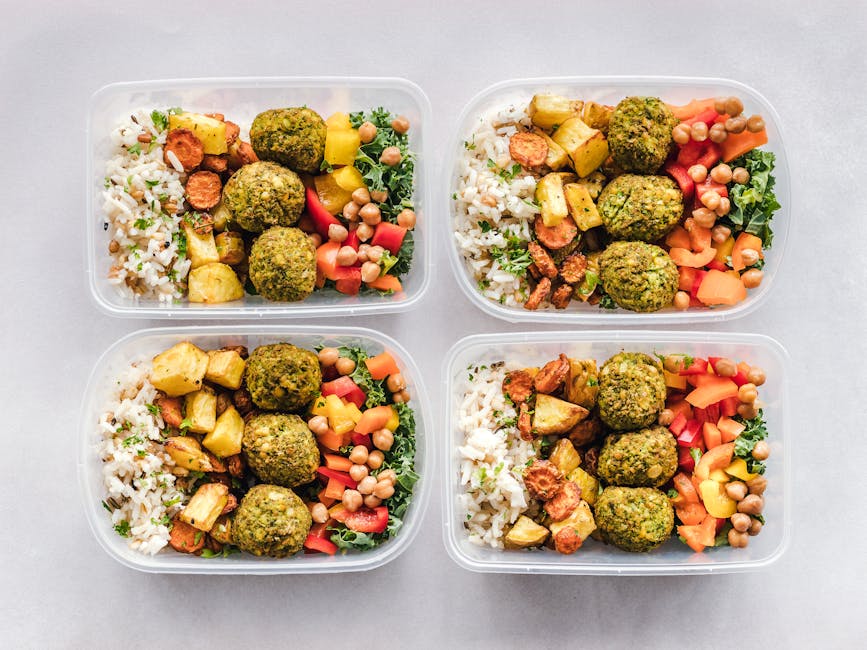
- Prep components, not full meals: Cook grains (quinoa, brown rice) and proteins (chicken, tofu) in advance. Combine them fresh when ready to eat.
- Use leftovers strategically: Double dinner portions for next-day lunches, but repurpose them to avoid monotony (e.g., roasted chicken becomes tacos, salads, or stir-fry).
- Keep emergency backups: Frozen vegetables, canned beans, and pre-cooked shrimp require minimal effort but add nutrients and variety.
Time-saving tools like slow cookers, sheet pans, and air fryers can streamline cooking. The Mayo Clinic notes that even small reductions in meal prep time (Mayo Clinic Nutrition Guide) improve consistency by lowering decision fatigue.
Balance Structure and Flexibility
Rigid meal plans often backfire because they ignore the body’s dynamic needs. A more adaptive approach:
- Use a "template" system: Define 3–4 go-to meals (e.g., stir-fry, grain bowl, soup) and rotate ingredients based on what’s available. This reduces grocery stress while maintaining variety.
- Allow for social eating: Plan around events by pre-logging calories or adjusting intake earlier in the day. Occasional deviations don’t derail progress if overall patterns remain consistent.
- Track non-food factors: Note sleep duration, stress levels, and activity, these influence hunger cues and energy levels more than most realize.
Debunking a Common Myth: "Clean Eating" Equals Weight Loss
Labeling foods as "good" or "bad" oversimplifies metabolism. The body processes all calories similarly, regardless of whether they come from kale or cake. What matters is the total energy consumed and the body’s response to it.
For example, people lose similar amounts of weight on "clean" and "flexible" diets when calories are matched. The difference? Adherence. Restrictive labels often lead to rebound overeating, while flexible approaches sustain long-term habits.
Instead of demonizing foods, focus on:
- Nutrient density: Prioritize foods that deliver fiber, vitamins, and minerals per calorie (e.g., vegetables, lean proteins).
- Mindful indulgence: Allow controlled portions of preferred foods to prevent deprivation-driven binges.
Quick-Start Strategies for Busy Weeks
When time is tight, these tactics preserve progress without sacrificing nutrition:
- Keep a "lazy meal" list: Write down 5 meals that take <30 minutes to prepare. Rotate these when energy is low.
- Use frozen produce: It retains nutrients and is often cheaper than fresh. Add to smoothies, stir-fries, or omelets.
- Batch-cook sauces: Homemade sauces (e.g., marinara, pesto) can transform simple proteins and grains into flavorful meals.
- Pre-portion snacks: Divide nuts, yogurt, or hummus into grab-and-go containers to avoid impulsive choices.
Recommended Health & Fitness Gear




FAQ: Addressing Real-World Concerns
Can I lose weight without tracking calories?
Yes, but it requires discipline in portion control and food selection. The body’s hunger and fullness cues aren’t always reliable, especially with processed foods. Intuitive eaters who also track intake tend to lose more weight than those who rely on intuition alone. The takeaway: Use tracking as a temporary tool to build awareness, not a lifelong requirement.
How do I handle cravings without derailing my plan?
Cravings often stem from energy deficits, stress, or habit. Address the root cause first:
- Protein and fiber: A high-protein snack (e.g., Greek yogurt, cottage cheese) can curb sweet cravings by stabilizing blood sugar.
- Delay tactics: Wait 10–15 minutes before acting on a craving. Thirst or distraction (e.g., a walk) may reduce the urge.
- Plan indulgences: Schedule a small treat (e.g., 1–2 squares of dark chocolate) to satisfy the desire without guilt.
Is intermittent fasting better than traditional meal planning for weight loss?
Intermittent fasting (IF) may aid weight loss by reducing overall calorie intake, but it’s not inherently superior. Over months, IF and continuous calorie restriction produce about the same weight loss. The best approach is the one you can sustain. If IF fits your lifestyle, use it; if not, focus on consistent meal timing.
How do I stay motivated when progress stalls?
Plateaus are normal and often reflect adaptations in metabolism or activity levels. Instead of overhauling your plan, try these adjustments:
- Reassess portions: Weigh or measure foods for a week to ensure accuracy.
- Increase non-exercise activity: Small movements (e.g., standing desks, walking meetings) can boost energy expenditure.
- Focus on non-scale victories: Track improvements in energy, sleep, or strength to maintain perspective.
What to Remember
- Energy balance drives weight loss: Calories in vs. calories out remains the primary determinant, but food quality influences satiety and metabolic health.
- Flexibility beats rigidity: Adaptable meal templates outperform strict plans in long-term adherence.
- Prioritize protein and fiber: These nutrients enhance fullness and support muscle retention during fat loss.
- Non-food factors matter: Sleep, stress, and activity levels significantly impact hunger and energy balance.
- Progress isn’t linear: Plateaus are normal; focus on sustainable habits rather than quick fixes.
Advertising disclosure: the links below are affiliate links. We may earn a commission if you use them, at no extra cost to you. This does not change the article's content, and it is not a medical recommendation.
Browse kitchen and portion tools on Amazon
Food scales, portion containers and measuring sets, as an Amazon category search. We have not tested individual products.