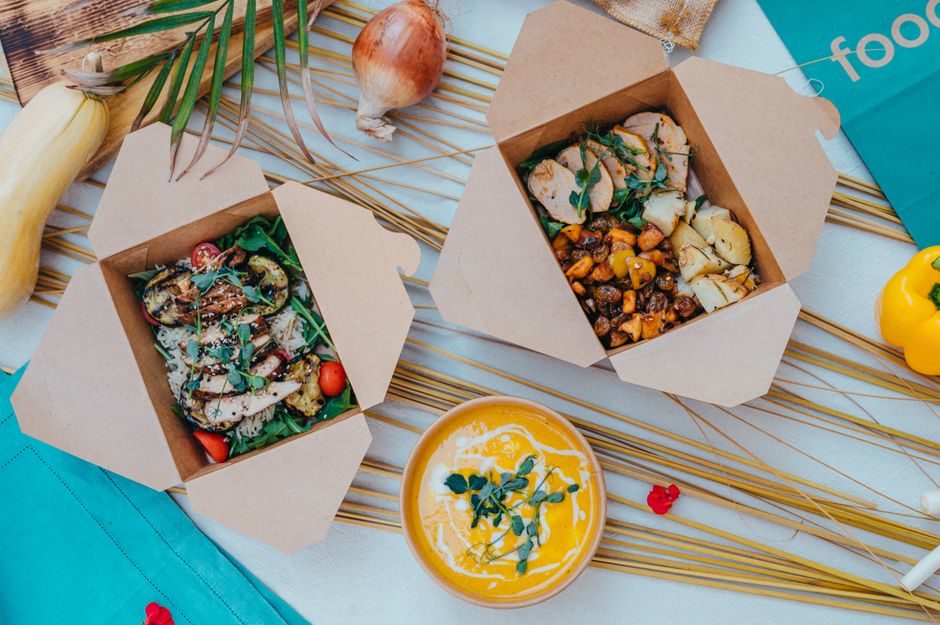
Why Meal Prep Fails, and How to Make It Work
Meal prepping is often marketed as a silver bullet for weight loss, but most people abandon their plans within weeks. The issue isn’t willpower, it’s the gap between idealized routines and real-life constraints. By creating predictable eating patterns. Yet, without a system tailored to individual schedules, preferences, and metabolic needs, even the most disciplined people struggle to maintain consistency.
Start with a realistic framework
Weight loss isn’t about rigid rules, it’s about designing an environment where healthy choices feel automatic. The Harvard Healthy Eating Plate emphasizes balance: half vegetables and fruits, a quarter lean protein, and a quarter whole grains or starchy vegetables. Batch cooking simplifies adherence by reducing daily decision fatigue, but the key is to align portions with your energy needs. A 150-pound adult with moderate activity may require 2,000–2,200 calories daily, while someone with a sedentary lifestyle might need closer to 1,600. Adjust accordingly to avoid undereating, which can trigger rebound overeating.
Debunking the “one-size-fits-all” myth
Many meal prep guides assume everyone has four hours on Sunday to chop, cook, and portion. That’s unrealistic for parents, shift workers, or anyone juggling multiple priorities. Instead, focus on modular prep, cooking versatile base ingredients (like roasted chicken, quinoa, or roasted vegetables) that can be mixed and matched. This approach, supported by the Mayo Clinic’s nutrition guidelines, allows for variety without daily effort.
Another common misconception is that meal prep must involve elaborate recipes. In reality, simplicity is more sustainable. Simpler plans are the ones people stick with. Think sheet-pan dinners, slow-cooker grains, or pre-washed salad kits, convenience doesn’t negate nutrition.
How to Build a Meal Prep System That Lasts
Step 1: Audit your week before you cook
Before grocery shopping, map out your schedule. Identify the days you’ll be home for meals and those where you’ll need grab-and-go options. Use this to determine how many servings to prep. For example, if you’re out two evenings, plan for leftovers or freezer-friendly meals. This prevents waste and ensures you’re not over-prepping perishable items.
Step 2: Choose 3–4 core recipes
Select recipes with overlapping ingredients to minimize waste and shopping trips. A typical rotation might include:
- Protein: Baked chicken thighs, lentils, or firm tofu
- Grains: Brown rice, farro, or sweet potatoes
- Vegetables: Roasted broccoli, sautéed spinach, or shredded cabbage
- Sauces: Tahini dressing, Greek yogurt dip, or a simple vinaigrette
These components can be recombined into salads, bowls, or wraps without monotony.
Step 3: Optimize storage and reheating
Glass containers with tight-sealing lids preserve freshness longer than plastic. Divide meals into single-serve portions to avoid overeating from large containers. For reheating, use the microwave’s “steam” setting or a toaster oven to prevent sogginess. Avoid freezing meals with high water content (like cucumbers or lettuce) to maintain texture.
Step 4: Schedule a midweek refresh
Even the best plans need adjustment. Set aside 20 minutes on Wednesday to assess what’s left and prep a fresh batch of perishables (like fresh herbs or greens). This prevents the “I’m tired of this” slump that derails many plans.
Troubleshooting Your Meal Prep
Use this protocol when obstacles arise:
- No time to cook? Buy pre-cut vegetables or frozen cauliflower rice. These save minutes without compromising nutrition.
- Bored with flavors? Rotate spices or sauces weekly. A new spice blend can make the same chicken taste entirely different.
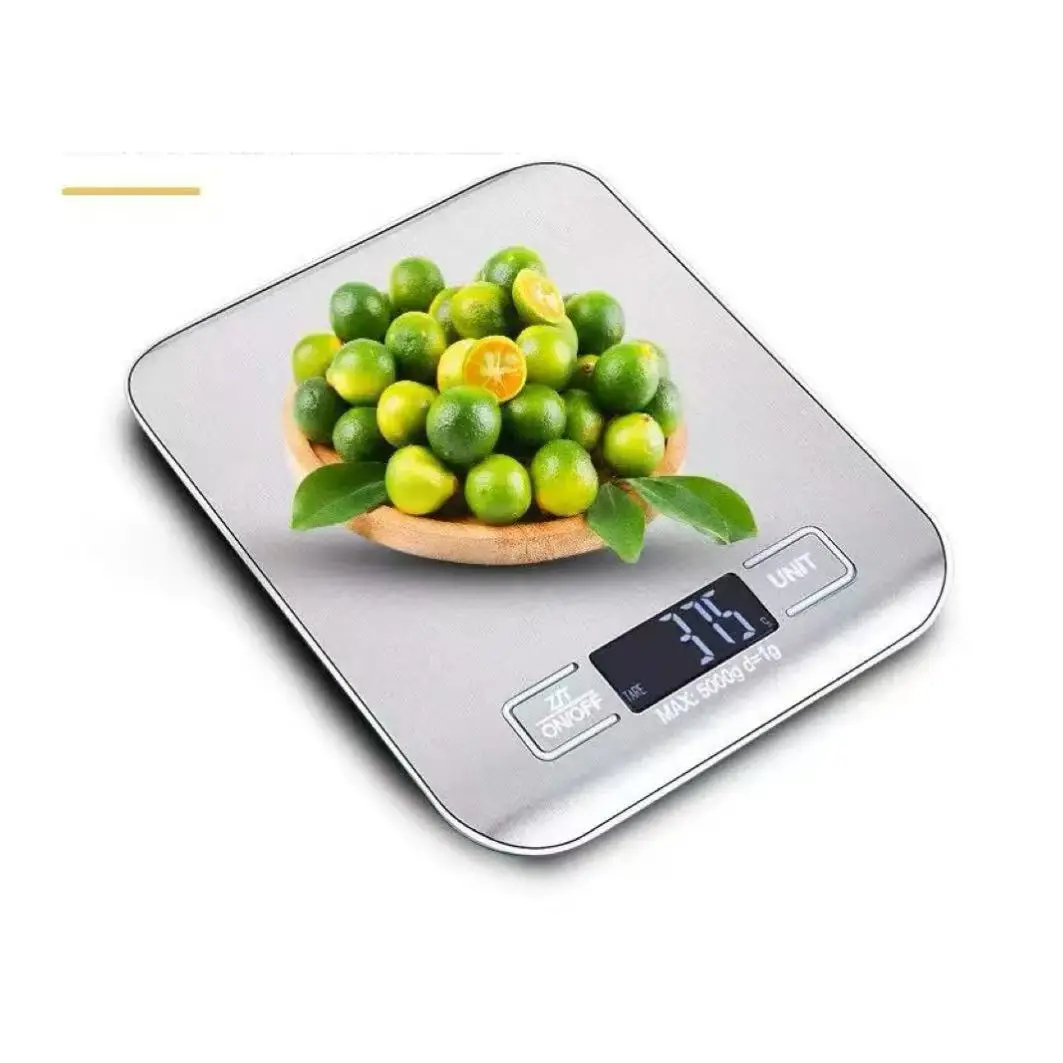
- Portions feel off? Weigh your food once to calibrate your eye. Adjust servings based on hunger cues rather than rigid calorie targets.
- Cravings hit mid-afternoon? Pair a protein-rich snack (like cottage cheese or edamame) with a small portion of fruit to stabilize blood sugar.
7-Day Action Plan (Minimal Effort, Maximum Impact)
| Day | Prep Focus | Quick Assembly |
|---|---|---|
| Sunday | Batch-cook 2 proteins + 2 grains + 3 vegetables | Portion into containers |
| Monday | , | Grab prepped meals; add fresh greens |
| Tuesday | , | Mix and match leftovers |
| Wednesday | Refresh: chop herbs, wash greens, prep a new sauce | Combine with existing bases |
| Thursday | , | Use frozen backup meals if needed |
| Friday | , | Opt for a restaurant meal if social plans arise |
| Saturday | Assess leftovers; plan next week’s rotation | , |
Recommended Health & Fitness Gear



Common Pitfalls, and How to Avoid Them
Myth: “Meal prep means eating the same thing every day.”
Variety is critical for long-term adherence. The body adapts to routine, which can dull satiety signals. Instead of repeating a single dish, use a “base + variation” model. For example, start with roasted sweet potatoes, then pair them with black beans one day, grilled chicken the next, and tahini dressing the third. This keeps meals interesting without extra effort.
Myth: “You must meal prep every Sunday.”
Flexibility is more sustainable than perfection. If Sunday doesn’t work, try a Wednesday session after grocery delivery. The goal is consistency, not a specific day.
Myth: “Meal prep is only for weight loss.”
While it’s a powerful tool for calorie control, meal prep also supports energy levels, gut health, and budget management. People who prep report fewer instances of “hangry” moments and more stable moods, likely due to balanced blood sugar.
FAQs
How do I prevent meal prep from feeling like a chore?
Treat it like a weekly ritual, not a chore. Play music, invite a friend to help, or batch-cook while watching a show. The less it feels like a task, the more likely you’ll stick with it.
Can I meal prep if I don’t like leftovers?
Use the “assembly-only” method: prep components separately and combine fresh each day. For example, cook quinoa and roast vegetables on Sunday, then assemble salads or bowls as needed.
What’s the best way to store prepped meals to keep them fresh?
Store proteins and grains in airtight containers for up to four days; vegetables can be kept in a separate container with a paper towel to absorb moisture. Freeze meals for longer storage, but avoid freezing sauces with dairy or mayonnaise.
How do I adjust meal prep for a busy travel schedule?
Pack non-perishable staples like nuts, nut butter packets, or shelf-stable lentil pouches. At airports or hotels, opt for simple additions like pre-washed greens or canned beans to round out meals.
Key Takeaways
- Balance is non-negotiable: Prioritize vegetables, lean protein, and fiber-rich carbs to support satiety and energy.
- Flexibility beats rigidity: Adjust portions and prep days to fit your life, not the other way around.
- Convenience enables consistency: Pre-cut produce, frozen staples, and modular recipes reduce friction.
- Variety prevents boredom: Rotate flavors and textures to avoid diet fatigue.
- Progress > perfection: Even partial prep (like chopping veggies for snacks) counts as a win.
Advertising disclosure: the links below are affiliate links. We may earn a commission if you use them, at no extra cost to you. This does not change the article's content, and it is not a medical recommendation.
Browse kitchen and portion tools on Amazon
Food scales, portion containers and measuring sets, as an Amazon category search. We have not tested individual products.