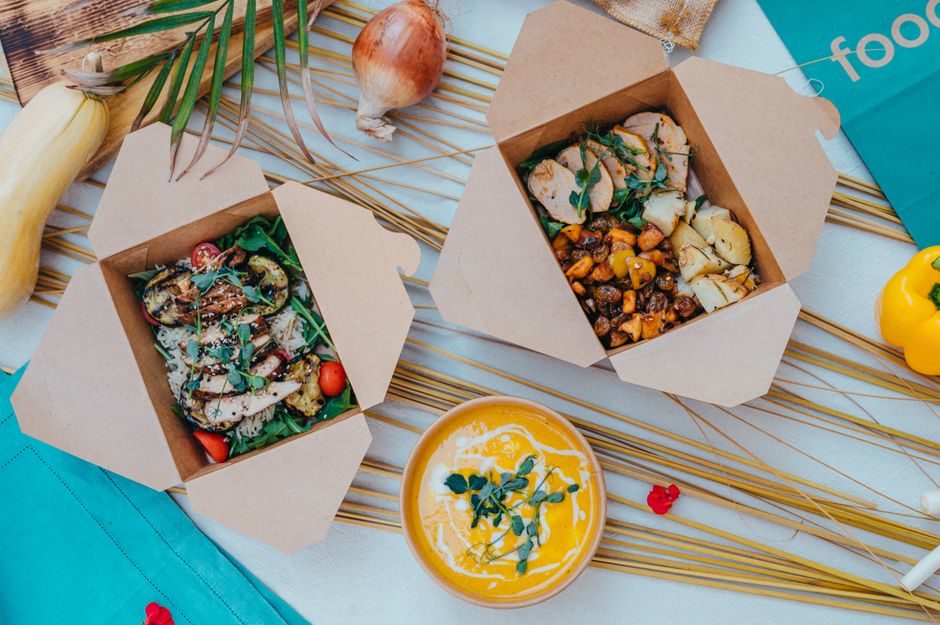
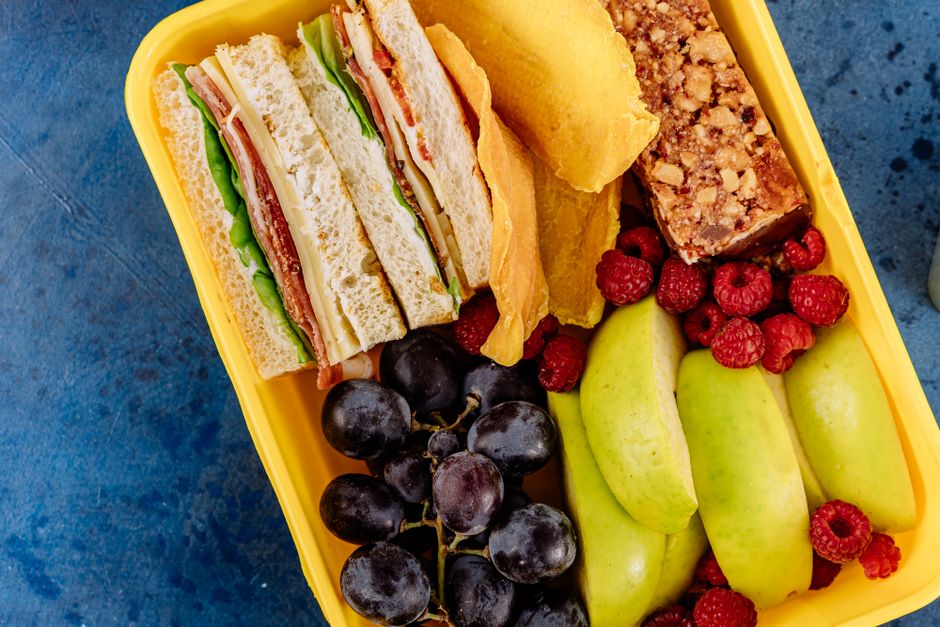
Why Meal Prep Feels Overwhelming, and How to Fix It
Meal prepping is often marketed as the ultimate weight-loss hack, but for many, it becomes another source of stress. The reality is that rigid meal plans, flavor fatigue, and unrealistic expectations derail more people than they help. Sustainable eating habits rely less on perfection and more on adaptable systems. The goal isn’t to turn your kitchen into a meal-prep factory but to build a routine that aligns with your lifestyle while supporting long-term health.
Weight loss isn’t about deprivation, it’s about consistency. A Harvard Healthy Eating Plate emphasizes balanced macronutrients and whole foods, which meal prep can simplify if done right. The key is to prioritize flexibility, flavor, and feasibility over rigid rules. Below, a step-by-step framework to make meal prep work for you, not against you.
Step 1: Audit Your Current Habits (Before You Buy a Single Container)
Most meal-prep failures start with mismatched expectations. Before stocking up on glass containers or spiralizing vegetables, assess your routine. Ask: When do I actually have time to cook? What meals do I consistently skip? Where does my energy dip?
Track your eating patterns for three days, no judgment, just data. Note which meals you skip, which you grab on the go, and which leave you unsatisfied. This isn’t about guilt; it’s about identifying gaps your meal prep can fill. For example, if breakfast is always rushed, prepping overnight oats or egg muffins becomes a priority. If dinner is the meal you dread, focus on batch-cooking proteins and grains to assemble quickly.
The Mayo Clinic highlights that planning meals around your schedule reduces last-minute unhealthy choices. The goal is to work with your natural rhythms, not against them.
Step 2: Design a System, Not a Script
Rigid meal plans backfire because life isn’t predictable. Instead of assigning specific meals to specific days, create a modular system of interchangeable components. Think of it like a bowl-building template: a base, a protein, a vegetable, and a sauce. This approach, supported by the Harvard Healthy Eating Plate, ensures balance without monotony.
Start with these categories:
- Bases: Brown rice, quinoa, roasted sweet potatoes, whole-wheat pasta, or cauliflower rice.
- Proteins: Grilled chicken, baked tofu, canned beans, hard-boiled eggs, or lean ground turkey.
- Vegetables: Steamed broccoli, roasted Brussels sprouts, spinach salad, or quick-pickled cucumbers.
- Sauces: Tahini-lemon dressing, Greek yogurt with herbs, or a simple olive oil and vinegar mix.
This method lets you swap components based on cravings, seasonal produce, or what’s on sale. It also prevents flavor fatigue because you’re not eating the same dish for days.
Step 3: Flavor First, Nutrition Second
No one sticks to a meal plan that tastes bland. Sensory satisfaction is critical for adherence. If your meals don’t excite you, you’ll abandon them when stress or boredom hits.
Build flavor into your prep from day one:
- Spice blends: Toss proteins with pre-mixed spices (e.g., cumin-chili, lemon-pepper, or za’atar) before cooking.
- Acid balance: Add lemon juice, vinegar, or pickled vegetables to brighten dishes.
- Texture contrast: Pair creamy (avocado, yogurt) with crunchy (toasted nuts, raw veggies).
- Sauce variety: Prepare two sauces per week (e.g., peanut sauce, chimichurri) to rotate.
Pro tip: Cook proteins in bulk with bold flavors, then repurpose them. For example, a spicy shredded chicken can become tacos one day, a grain bowl the next, and a soup topping later in the week.
Step 4: Batch Cooking That Doesn’t Waste Food
Over-prepping is a common pitfall. The Mayo Clinic advises cooking only what you’ll realistically eat within 3–4 days to avoid spoilage. Freeze extras for future weeks.
Prioritize ingredients with the longest shelf life:
- Grains: Cook quinoa, farro, or brown rice in 2–3 cup batches.
- Proteins: Roast a whole chicken or bake a sheet pan of salmon; both keep for 4 days refrigerated.
- Vegetables: Opt for hearty options like cabbage, carrots, or frozen peas that hold up well.
Use the “first in, first out” rule: Place newer meals behind older ones in the fridge to ensure nothing gets forgotten. Label containers with dates to track freshness.
Step 5: The 7-Day Meal Prep Routine (No Burnout Guaranteed)
This schedule balances effort and flexibility. Adjust based on your workweek:
| Day | Task | Time Commitment |
|---|---|---|
| Sunday | Batch-cook 2 proteins, 1 grain, and chop vegetables for salads. | 45–60 minutes |
| Wednesday | Prep 1 new protein (e.g., hard-boiled eggs, canned beans) and refresh sauces. | 20–30 minutes |
| Friday | Assemble 2–3 grab-and-go breakfasts (e.g., chia pudding, yogurt parfaits). | 15 minutes |
This approach prevents the Sunday scramble while keeping meals varied. If a day gets busy, rely on frozen components or simple assembly (e.g., canned beans + pre-washed greens + olive oil).
Troubleshooting: When Meal Prep Goes Wrong
Even the best systems hit snags. Here’s how to course-correct:
Problem: “I’m bored of my meals by Wednesday.”
Solution: Introduce a “flavor reset” midweek. Swap one component (e.g., change quinoa to couscous, chicken to shrimp) or add a new sauce. Variety reduces sensory-specific satiety, the phenomenon where repeated flavors feel less appealing.
Problem: “I don’t have time to prep.”
Solution: Shift to “prep-as-you-go.” For example, keep pre-cut veggies and cooked proteins in the fridge for assembly. Or use a slow cooker for hands-off meals (e.g., chili, stews). The Mayo Clinic emphasizes that even small prep steps (like washing greens) make a difference.
Problem: “My meals aren’t filling.”
Solution: Prioritize fiber and protein. The Harvard Healthy Eating Plate recommends filling half your plate with vegetables and a quarter with lean protein. Add healthy fats (avocado, nuts) to slow digestion and curb hunger.
Problem: “I’m spending too much on groceries.”
Solution: Buy in bulk (rice, beans, frozen veggies) and choose seasonal produce. The Mayo Clinic suggests planning meals around sales to cut costs without sacrificing nutrition.
Recommended Health & Fitness Gear



Myth: Meal Prep Requires Perfect Portion Control
Portion obsession can backfire, leading to overeating or undereating. The Harvard Healthy Eating Plate focuses on proportions (½ vegetables, ¼ protein, ¼ whole grains) rather than rigid calorie counts. Use your hand as a guide: a palm-sized protein, a fist-sized grain, and a cupped handful of veggies.
For weight loss, aim for satiety first, eat until you’re 80% full, then stop. Mindful eating, paying attention to hunger cues, is more effective than strict portioning for long-term success.
FAQ: Meal Prep Questions, Answered
Q: Can I meal prep if I hate cooking?
A: Yes. Focus on no-cook assemblies: Greek yogurt + granola + fruit, canned tuna + whole-grain crackers, or pre-washed salad kits with rotisserie chicken. The goal is to minimize active cooking time.
Q: How do I reheat meals without drying them out?
A: Add a splash of water or broth before microwaving, or reheat in a skillet with a lid to retain moisture. The Mayo Clinic recommends avoiding high heat to preserve texture.
Q: Is it okay to meal prep every day?
A: Daily prep isn’t necessary. Batch-cooking 2–3 times per week (e.g., Sunday and Wednesday) balances freshness and effort. Consistency matters more than frequency.
Q: What’s the best way to store prepped meals?
A: Use airtight containers and refrigerate within 2 hours of cooking. Most meals last 3–4 days; freeze extras for up to 3 months. The Harvard Healthy Eating Plate advises labeling containers with dates to track freshness.
The Fundamentals of Sustainable Meal Prep
- Start small: Prep 2–3 components (e.g., a grain, a protein, a veggie) rather than full meals.
- Prioritize flavor: Use spices, acids, and textures to keep meals exciting.
- Work with your schedule: Batch-cook on low-stress days and assemble as needed.
- Embrace flexibility: Swap components based on cravings, not rigid plans.
- Focus on balance: Half vegetables, a quarter protein, a quarter whole grains, no calorie counting required.
- Store smart: Keep meals for 3–4 days max; freeze extras to avoid waste.
Meal prep isn’t about becoming a meal-prep influencer, it’s about creating a system that supports your health without draining your energy. The best routine is the one you’ll actually follow, not the one that looks perfect on Instagram.
Start with one small change this week: pick a protein and grain to batch-cook, then build from there. Progress, not perfection, is the goal.
Advertising disclosure: the links below are affiliate links. We may earn a commission if you use them, at no extra cost to you. This does not change the article's content, and it is not a medical recommendation.
Browse kitchen and portion tools on Amazon
Food scales, portion containers and measuring sets, as an Amazon category search. We have not tested individual products.