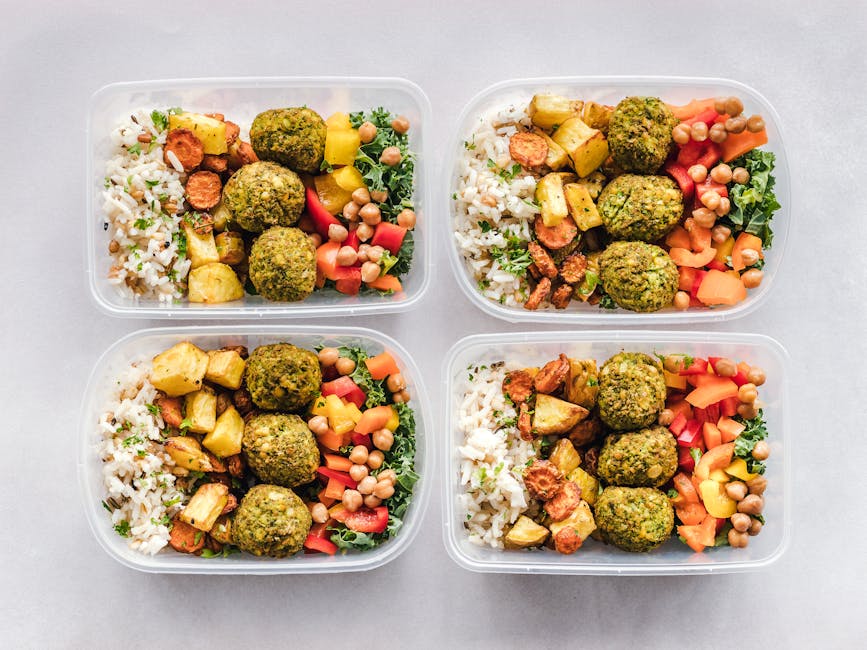
How Fiber Keeps You Full for Hours, and Why It Matters for Weight Loss
Fiber is often praised for digestive health, but its role in appetite regulation and weight management is equally critical. Unlike digestible carbohydrates, fiber resists breakdown in the small intestine, slowing nutrient absorption and triggering hormonal responses that promote satiety. Research in the highlights how soluble fiber, in particular, forms a gel-like substance that delays gastric emptying, prolonging feelings of fullness. This physiological effect helps curb overeating by stabilizing blood sugar and reducing the frequency of hunger signals.
Insoluble fiber, found in whole grains and vegetables, adds bulk to stool and accelerates intestinal transit, further supporting metabolic efficiency. Together, these fibers create a dual mechanism: one that modulates appetite hormones and another that optimizes gut function. For those aiming to manage weight without restrictive dieting, prioritizing fiber-rich foods can be a sustainable strategy.
Fiber’s Impact on Hunger Hormones: Leptin and Ghrelin
Appetite is governed by a complex interplay of hormones, with ghrelin and leptin playing central roles. Ghrelin, often called the "hunger hormone," stimulates appetite, while leptin, produced by fat cells, signals satiety. Fiber influences this system by:
- Slowing gastric emptying: Soluble fiber increases the viscosity of stomach contents, which delays the release of nutrients into the bloodstream. This gradual absorption prevents sharp spikes in blood sugar that typically trigger ghrelin surges.
- Enhancing leptin sensitivity: A diet high in fiber is associated with improved leptin signaling, meaning the brain becomes more responsive to satiety cues. This effect is particularly relevant for individuals with leptin resistance, a condition linked to obesity.
- Reducing post-meal cravings: By stabilizing energy availability, fiber minimizes the energy crashes that often lead to snacking. A study in the Harvard T.H. Chan School of Public Health notes that high-fiber meals are linked to lower subsequent calorie intake.
These hormonal adjustments do not occur in isolation. Fiber’s benefits are amplified when combined with adequate protein and healthy fats, which further dampen ghrelin’s effects. The key is consistency: regular fiber intake reprograms appetite cues over time, making it easier to adhere to calorie goals without constant willpower.
Soluble vs. Insoluble Fiber: Which Matters More for Fullness?
Not all fiber is created equal. The two primary types, soluble and insoluble, serve distinct functions in satiety:
| Fiber Type | Primary Role | Best Food Sources |
|---|---|---|
| Soluble fiber | Forms a gel in the gut, slowing digestion and stabilizing blood sugar | Oats, beans, apples, flaxseeds, Brussels sprouts |
| Insoluble fiber | Adds bulk to stool and speeds intestinal transit | Whole wheat, nuts, cauliflower, green beans, potatoes (with skin) |
For appetite control, soluble fiber is the more critical player. Its gel-like properties directly influence gastric emptying and nutrient absorption, which are key drivers of satiety. However, insoluble fiber contributes indirectly by promoting gut motility and a healthy microbiome, which also plays a role in energy regulation. The Mayo Clinic recommends aiming for a mix of both types to support overall digestive and metabolic health.
Debunking the Myth: "Fiber Fills You Up Because It’s Bulky"
A common misconception is that fiber’s satiating effect comes solely from its physical bulk. While insoluble fiber does add volume to meals, the primary driver of fullness is its impact on hormonal and metabolic responses. Even small amounts of soluble fiber (e.g., 5–10 grams per meal) can significantly reduce post-meal hunger, independent of meal volume.
Another myth is that fiber must be consumed in large quantities to be effective. In reality, the benefits are dose-dependent but not linear. Increasing fiber intake by just 5–10 grams per day can improve satiety, with diminishing returns beyond 25–30 grams daily. The focus should be on food quality rather than sheer quantity, prioritizing whole, minimally processed sources over supplements or fortified products.
Practical Ways to Eat More Fiber Without Breaking the Bank
High-fiber foods are often perceived as expensive or time-consuming to prepare. However, budget-friendly options exist that require minimal effort. Consider these strategies:
- Batch-cook legumes: Dry beans, lentils, and chickpeas are among the most affordable fiber sources. A single pot can yield multiple meals, add them to soups, salads, or grain bowls.
- Opt for frozen vegetables: Frozen broccoli, spinach, and mixed vegetables are just as nutritious as fresh and often cheaper. They’re also pre-washed and ready to use.
- Choose whole grains in bulk: Brown rice, oats, and barley are inexpensive when purchased in bulk. Swap refined grains (e.g., white bread, pasta) for these options to boost fiber intake effortlessly.
- Repurpose leftovers: Roasted vegetables from dinner can be added to breakfast omelets or blended into soups. This reduces waste and maximizes fiber intake across meals.
- Use canned beans strategically: Rinse canned beans thoroughly to reduce sodium, then add them to salads, tacos, or mashed as a spread. They’re a quick, fiber-rich addition to any meal.
For meal prep, focus on fiber-forward bases like quinoa, farro, or sweet potatoes. Pair them with lean proteins and healthy fats to create balanced, satiating meals that require little active cooking time.
Sample High-Fiber Meal Plan for All-Day Fullness
Below is a simple, cost-effective meal plan designed to maximize satiety through fiber. Each meal provides at least 8–10 grams of fiber, with a total daily intake of ~30 grams.
- Breakfast: Overnight oats made with ½ cup rolled oats (4g fiber), 1 tbsp chia seeds (5g fiber), unsweetened almond milk, and a handful of berries.
- Snack: 1 medium apple (4g fiber) with 1 tbsp peanut butter (1g fiber).
- Lunch: Lentil soup (1 cup cooked lentils = 16g fiber) with a side of steamed spinach (3g fiber) and a small whole-grain roll (3g fiber).
- Snack: ¼ cup roasted chickpeas (5g fiber) with a sprinkle of sea salt.
- Dinner: Baked salmon with ½ cup quinoa (3g fiber) and roasted Brussels sprouts (4g fiber).
This plan avoids processed fiber sources (e.g., bars, shakes) in favor of whole foods, which provide additional nutrients like vitamins, minerals, and antioxidants. The variety ensures a broad spectrum of fiber types, optimizing both satiety and gut health.
Fiber’s Role in Sustainable Weight Management
- Fiber slows digestion through soluble fiber’s gel formation, which stabilizes blood sugar and reduces ghrelin spikes.
- It enhances leptin sensitivity, helping the brain better recognize satiety signals over time.
- Soluble fiber is the primary driver of fullness, though insoluble fiber supports gut motility and microbiome health.
- Small, consistent increases in fiber intake (5–10g per day) can yield measurable improvements in appetite control without drastic dietary changes.
- Budget-friendly strategies like batch-cooking legumes and using frozen vegetables make high-fiber eating accessible.
Fiber and Weight Loss: FAQs
Can I eat too much fiber?
While fiber is essential, excessive intake (beyond 50g daily) can cause digestive discomfort, bloating, or nutrient malabsorption. Gradually increase fiber to allow your gut microbiome to adapt. Drink plenty of water to support its movement through the digestive tract.
Do fiber supplements work as well as whole foods?
Fiber supplements (e.g., psyllium husk) can aid satiety, but they lack the additional nutrients found in whole foods. Whole foods also provide a mix of fiber types and polyphenols that enhance metabolic benefits. Use supplements as a short-term tool, not a long-term replacement.
Is fiber more important than protein for fullness?
Both play distinct but complementary roles. Protein directly suppresses ghrelin and supports muscle maintenance, while fiber stabilizes energy availability. A balanced meal includes both, e.g., beans (fiber + protein) or Greek yogurt with berries (protein + soluble fiber).
Can fiber help with visceral fat loss?
Fiber’s impact on visceral fat is indirect. By improving insulin sensitivity and reducing overall calorie intake, it may contribute to fat loss, including visceral fat. However, fat loss is ultimately determined by energy balance. Fiber is a tool to support adherence to a calorie deficit, not a standalone solution.
For the fuller picture, see Fiber Supplements vs Whole Foods: Which Fills You Up?.
For the longer version of this, read Feel Full Longer: How Fiber Boosts Satiety and Burns Fat.
Advertising disclosure: the links below are affiliate links. We may earn a commission if you use them, at no extra cost to you. This does not change the article's content, and it is not a medical recommendation.
Recommended Health & Fitness Gear



Browse kitchen and portion tools on Amazon
Food scales, portion containers and measuring sets, as an Amazon category search. We have not tested individual products.