How Meal Prep Rewires Eating Habits for Long-Term Weight Management
Meal prepping is often framed as a shortcut to weight loss or a rigid diet tactic, but its real value lies in systematic habit formation. When people organize meals in advance, they reduce the daily cognitive load of deciding what to eat, which studies suggest can curb impulsive food choices tied to appetite regulation. Structured meal planning is associated with improved diet quality, particularly when it includes whole foods like vegetables, lean proteins, and whole grains. This approach doesn’t just streamline eating, it reshapes the environment in which food decisions are made.
Why Meal Prep Works for Weight Loss (Beyond Calorie Counting)
Weight loss is fundamentally about energy balance, the relationship between calories consumed and calories expended. However, meal prepping influences this balance indirectly by addressing the behavioral and environmental factors that derail consistency. Harvard’s Healthy Eating Plate emphasizes that meal structure helps regulate appetite hormones like ghrelin (the hunger signal) and leptin (the satiety signal). When meals are pre-portioned and balanced with fiber, protein, and healthy fats, the body receives more stable energy signals, reducing the likelihood of overeating later in the day.
Another key mechanism is the reduction of decision fatigue. The brain expends mental energy on food choices throughout the day, and when those choices are left unstructured, people often default to convenient, calorie-dense options. Meal prepping removes this friction by ensuring that nutritious options are readily available, which aligns with findings from the Mayo Clinic Nutrition Guide on how environmental cues shape eating behavior.
Practical Meal Prep Strategies for Sustainable Results
Not all meal prep methods are equally effective for weight management. The goal is to create a system that balances convenience with nutritional integrity. Below are evidence-informed approaches to make meal prepping work for long-term habits:
- Batch Cooking with Whole Foods: Focus on minimally processed ingredients like vegetables, legumes, and lean proteins (e.g., chicken breast, tofu, fish). These foods are naturally lower in energy density and higher in fiber, which supports satiety. Diets rich in whole foods were associated with better weight maintenance over time.
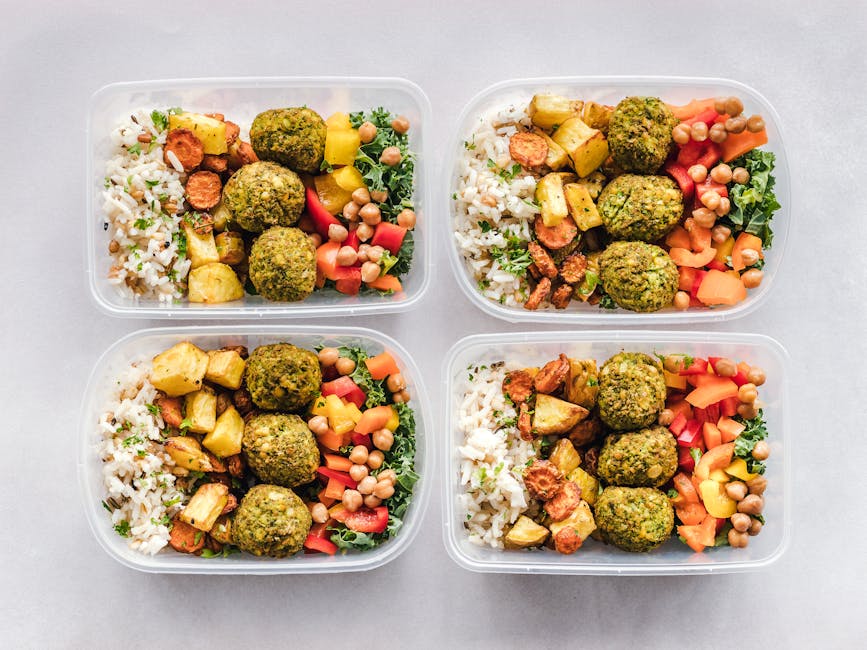
- Portion Control Without Rigidity: Use visual cues to guide portions rather than relying on scales or apps. For example, a palm-sized serving of protein, a fist-sized portion of vegetables, and a cupped-hand serving of carbohydrates (like quinoa or sweet potato) can simplify assembly without strict calorie tracking.
- Flexible Templates Over Strict Recipes: Instead of rigid meal plans, create a template of core components (e.g., grains, proteins, vegetables) that can be mixed and matched. This reduces monotony while maintaining nutritional balance.
- Prep for Hunger Peaks: Schedule prep sessions for times when cravings are most likely to strike, such as after work or before weekend outings. Having prepped meals on hand can prevent reliance on takeout or snack foods.
Common Myths About Meal Prep and Weight Loss
One persistent myth is that meal prepping is only for those aiming to lose weight rapidly. In reality, meal prepping is a tool for consistency, not a weight-loss hack. Another misconception is that prepped meals must be bland or repetitive to be healthy. However, variety can be maintained by rotating ingredients and flavors, which supports adherence to the habit. The Harvard Nutrition Source notes that dietary monotony can actually hinder long-term success by increasing the risk of burnout.
Some also assume that meal prepping requires hours of cooking each week. While initial prep may take time, the process can be streamlined by using shared cooking methods (e.g., roasting multiple proteins at once) or investing in tools like slow cookers or pressure cookers. The key is to start small, even prepping two or three meals per week can yield measurable benefits.
Getting Started: A Beginner’s Framework
For those new to meal prepping, the process can feel overwhelming. The most effective approach is to begin with a single component that aligns with existing habits. For example:
- Start with One Meal: Choose a meal that’s already part of your routine (e.g., dinner) and prep a batch of a single dish (e.g., stir-fried vegetables with tofu and brown rice).
- Use Storage Solutions: Invest in airtight containers that are portion-friendly and microwave-safe. Clear containers can also serve as visual reminders of available options.
- Schedule Prep Time: Dedicate 60–90 minutes once or twice a week to cooking and assembling meals. This prevents the habit from feeling like a chore.
- Allow for Adaptability: Prepped meals don’t need to last all week. Rotate ingredients to keep flavors fresh and reduce food waste.
Beyond Weight Loss: The Broader Benefits of Meal Prepping
While weight management is a common goal, meal prepping offers secondary advantages that contribute to overall health. Structured eating patterns can improve blood sugar control, which is particularly relevant for those at risk of type 2 diabetes. Additionally, the habit encourages mindful eating by reducing distractions during meals (e.g., eating while working or watching TV), which research links to better digestion and satisfaction. The Mayo Clinic Nutrition Guide notes that mindful eating is associated with lower calorie intake and improved metabolic health.
Recommended Health & Fitness Gear




Frequently Asked Questions
Does meal prepping lead to eating the same foods repeatedly?
Repetition can occur if meal prep lacks variety, but this is a design flaw rather than an inherent issue with the habit. Rotating ingredients and flavors ensures nutritional diversity while maintaining convenience. The goal is to create a system that balances structure with flexibility.
Can meal prepping work for people with unpredictable schedules?
Yes, but the approach must be adaptable. For example, prepping freezer-friendly meals or using shelf-stable ingredients (like canned beans or frozen vegetables) can accommodate busy weeks. The key is to prioritize meals that can be reheated quickly or assembled in minutes.
Is it necessary to prep every meal to see benefits?
No. Even prepping one or two meals per week can reduce impulsive eating and improve diet quality. The habit is about creating a buffer against poor choices, not achieving perfection.
Does meal prepping eliminate the need for grocery shopping?
While meal prepping reduces the frequency of shopping, it doesn’t eliminate the need entirely. Fresh ingredients like vegetables and herbs may require weekly replenishment, while pantry staples (like grains or spices) can be bought in bulk.
Key Takeaways
- Meal prepping supports weight management by reducing decision fatigue and stabilizing appetite signals.
- Focus on whole foods and flexible templates rather than rigid meal plans.
- Start small, even prepping one meal per week can yield measurable benefits.
- Variety and adaptability are critical to long-term adherence.
- Structured eating improves blood sugar control and encourages mindful habits.
Advertising disclosure: the links below are affiliate links. We may earn a commission if you use them, at no extra cost to you. This does not change the article's content, and it is not a medical recommendation.
Browse kitchen and portion tools on Amazon
Food scales, portion containers and measuring sets, as an Amazon category search. We have not tested individual products.