
Why Meal Planning Beats Willpower for Sustainable Weight Loss
Weight loss research consistently shows that structured meal planning outperforms reliance on sheer willpower. Individuals who planned meals in advance were significantly more likely to adhere to calorie targets and nutrient-dense food choices than those who improvised daily intake. The key advantage isn’t just organization, it’s the reduction of cognitive load that leads to impulsive, high-calorie decisions. When meals are pre-decided, the brain expends less mental energy on food choices, freeing up resources for adherence to long-term goals.
This approach also addresses the physiological challenge of hunger regulation. Ghrelin, the hormone responsible for stimulating appetite, rises predictably before meals and falls afterward. However, erratic eating patterns can amplify these fluctuations, leading to exaggerated hunger signals. Structured meal timing and balanced macronutrient distribution help stabilize ghrelin levels, reducing the intensity of cravings between eating occasions.
Energy Density: The Silent Architect of Calorie Control
Not all calories are metabolized the same way. Energy density, calories per gram of food, determines satiety more than calorie count alone. Foods with high water content (e.g., vegetables, fruits) and high fiber (e.g., legumes, whole grains) provide volume with minimal calories, allowing larger portions without excess energy intake. A Harvard analysis of dietary patterns found that individuals who prioritized low-energy-dense foods consumed 200–300 fewer calories daily without conscious restriction (Harvard Nutrition Source).
This principle explains why a bowl of berries with Greek yogurt can curb hunger more effectively than a small pastry of similar calorie content. The volume triggers stomach stretch receptors, signaling fullness to the brain via vagus nerve pathways. Conversely, high-energy-dense foods (e.g., oils, refined sugars, processed snacks) bypass these signals, often leading to overeating before satiety is achieved.
Portion Control Without the Guesswork
Portion distortion is a well-documented contributor to weight gain. Studies from the Mayo Clinic demonstrate that people consistently overestimate appropriate serving sizes, particularly for calorie-dense foods like nuts, cheese, and pasta (Mayo Clinic Guide). The solution isn’t rigid calorie counting but visual cues and standardized containers. For example:
- Protein portions: A deck of cards or the palm of your hand (3–4 oz cooked).
- Carbohydrates: A cupped hand or tennis ball (½ cup cooked grains, 1 small fruit).
- Fats: A thumb or poker chip (1 tbsp oils, ¼ avocado).
- Vegetables: Two cupped hands or a baseball (1–2 cups raw or cooked).
These benchmarks align with the Healthy Eating Plate model, which emphasizes half the plate as vegetables, a quarter as lean protein, and a quarter as whole grains or starchy vegetables (Harvard Nutrition Source). This method reduces the need for scales or apps while maintaining precision.
Debunking the Myth of "Starvation Mode"
A persistent myth claims that calorie restriction triggers a metabolic slowdown severe enough to halt weight loss. Research does not support this. While resting metabolic rate decreases slightly during weight loss (as expected with reduced body mass), the decline is proportional to the amount of weight lost, not a pathological suppression. The body adapts to energy deficits by conserving fuel, but this is a temporary, reversible response, not a permanent barrier.
The more significant issue is muscle loss during aggressive deficits. Strength training mitigates this by preserving lean mass, which is metabolically active. However, the idea that a modest calorie deficit (300–500 kcal/day) will "shut down" metabolism is unsupported. The primary driver of stalled weight loss is often non-adherence to the deficit over time, not metabolic adaptation.
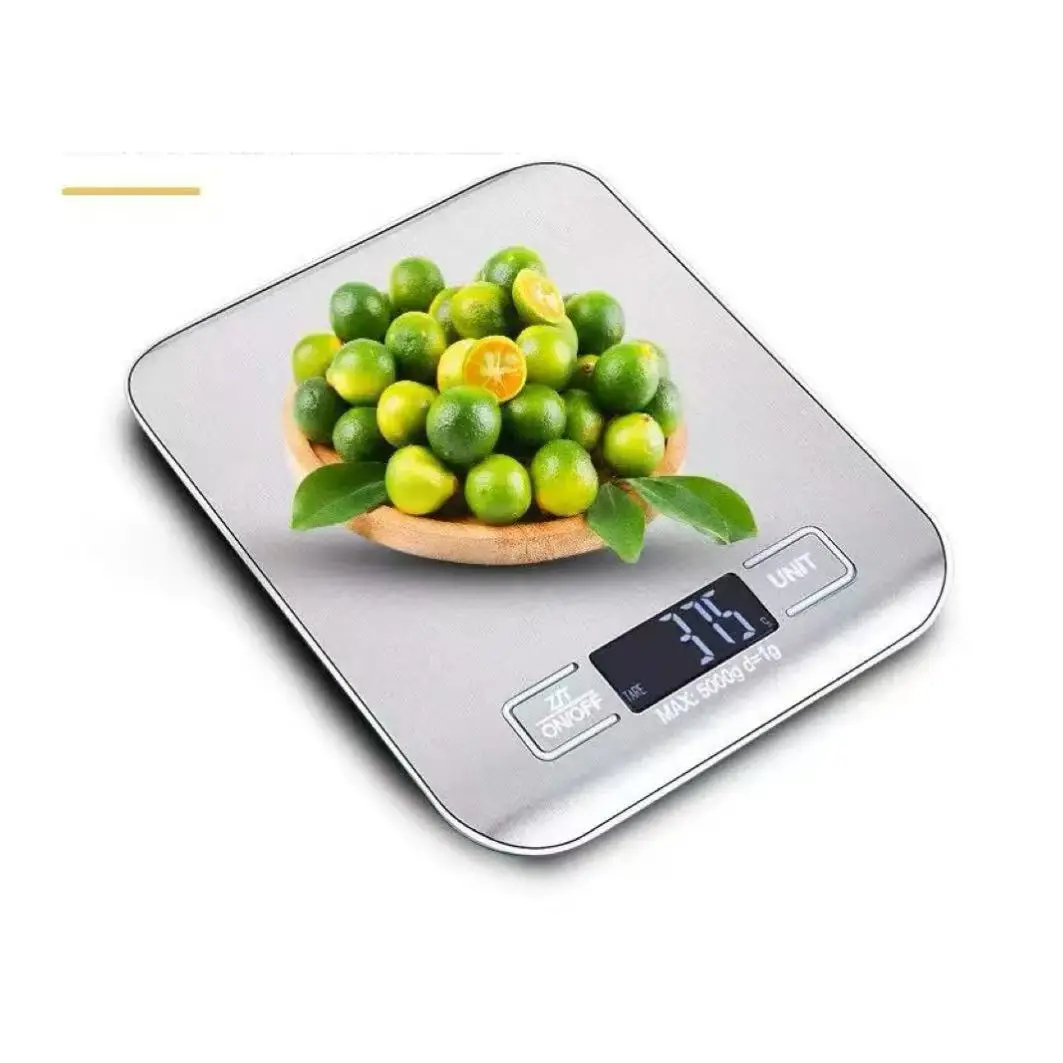
Recommended Health & Fitness Gear



7-Day Meal Planning Protocol: A Step-by-Step Framework
Follow this structured approach to design a sustainable plan. Adjust portion sizes based on individual needs (e.g., activity level, body size).
Phase 1: Assessment (Day 1)
Step 1: Calculate baseline needs. Use a flexible calorie target based on the Mifflin-St Jeor equation or an online calculator, then subtract 300–500 kcal for weight loss. For example, a moderately active 35-year-old woman weighing 160 lbs might target 1,800–2,000 kcal/day.
Step 2: Inventory your kitchen. Remove highly palatable, calorie-dense foods (e.g., chips, cookies) and stock staples: lean proteins, frozen vegetables, whole grains, legumes, and low-fat dairy or alternatives.
Phase 2: Design (Days 2–3)
Step 3: Build templates. Use these balanced templates for each meal, swapping ingredients based on preference and availability:
- Breakfast: ½ cup oats + 1 cup berries + 1 tbsp chia seeds + 1 cup unsweetened almond milk.
- Lunch: 4 oz grilled chicken + 2 cups mixed greens + ½ cup quinoa + 1 tbsp vinaigrette.
- Dinner: 4 oz salmon + 1 cup roasted broccoli + ½ cup sweet potato + 1 tsp olive oil.
- Snacks (2/day): 1 small apple + 1 tbsp peanut butter; 1 cup Greek yogurt + ½ cup blueberries.
Step 4: Batch cook. Prepare 2–3 protein sources (e.g., grilled chicken, hard-boiled eggs, lentils) and 1–2 carbohydrate bases (e.g., quinoa, roasted vegetables) for the week. Store in portioned containers to streamline assembly.
Phase 3: Execution (Days 4–7)
Step 5: Plate with precision. Use the visual portion guide (above) to assemble meals. Prioritize vegetables first to fill half the plate, then add protein and carbohydrates.
Step 6: Hydrate strategically. Aim for 0.5–1 oz of water per pound of body weight daily, adjusting for activity and climate. Thirst often masquerades as hunger; sip water before meals to assess true appetite.
Step 7: Troubleshoot hunger spikes. If hunger persists 2–3 hours after meals, increase vegetable or protein portions by 25%. If cravings for sweets arise, opt for high-fiber fruits (e.g., berries, apples) or 85% dark chocolate (1 oz).
Common Pitfalls and How to Avoid Them
Pitfall 1: Overestimating "healthy" calories. Nuts, nut butters, and avocados are nutrient-dense but calorie-dense. Measure portions to avoid unintended surplus.
Pitfall 2: Skipping meals to
Advertising disclosure: the links below are affiliate links. We may earn a commission if you use them, at no extra cost to you. This does not change the article's content, and it is not a medical recommendation.
Browse kitchen and portion tools on Amazon
Food scales, portion containers and measuring sets, as an Amazon category search. We have not tested individual products.


