Why Hunger Feels Like a Runway Train, and How to Slow It Down
Hunger isn’t just a signal, it’s a complex interplay of hormones, environment, and behavior. When appetite regulation falters, overeating and weight regain often follow. The good news? Science offers clear, actionable levers to recalibrate hunger without extreme restriction or deprivation. Below are seven strategies to help you regain control.
1. Prioritize Protein at Every Meal (Especially Breakfast)
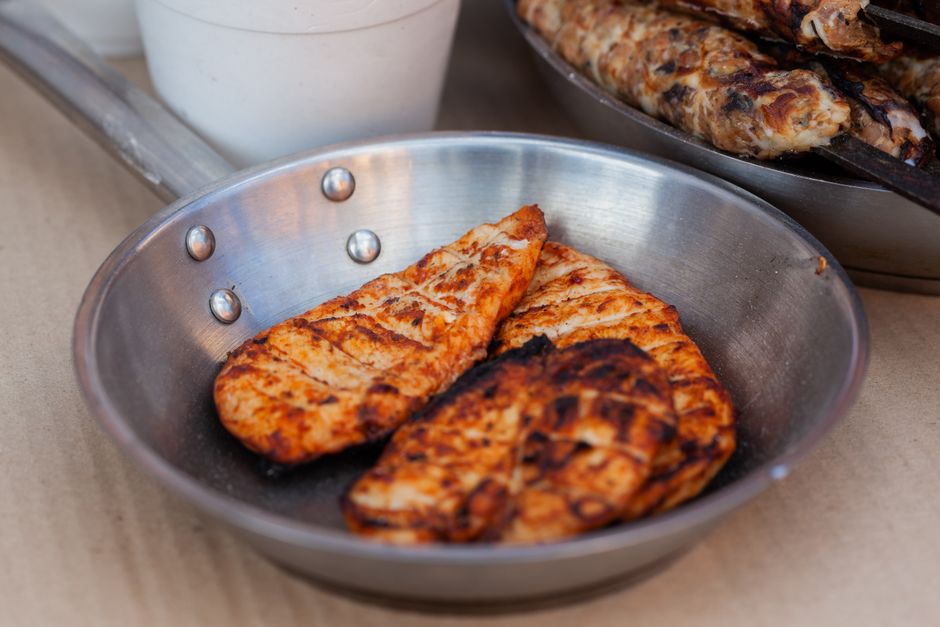
Protein is the most satiating macronutrient, thanks to its effects on, which slow gastric emptying and signal fullness to the brain. Higher-protein meals reduced subsequent energy intake by 10–15% compared to lower-protein equivalents. This effect is strongest at breakfast, where protein intake has been linked to lower cravings and reduced snacking later in the day.
Practical targets: Aim for 20–30g of high-quality protein per meal (e.g., eggs, Greek yogurt, tofu, chicken, or lentils). For plant-based eaters, combine incomplete proteins (e.g., beans + rice) to optimize amino acid profiles.
2. Load Up on High-Satiety Fiber
Fiber-rich foods expand in the stomach, trigger stretch receptors, and feed beneficial gut bacteria that produce short-chain fatty acids, compounds that enhance satiety signaling. Soluble fiber, in particular, forms a gel-like substance that slows digestion and blunts post-meal glucose spikes. The Harvard Healthy Eating Plate recommends filling half your plate with vegetables, fruits, and whole grains for this reason.
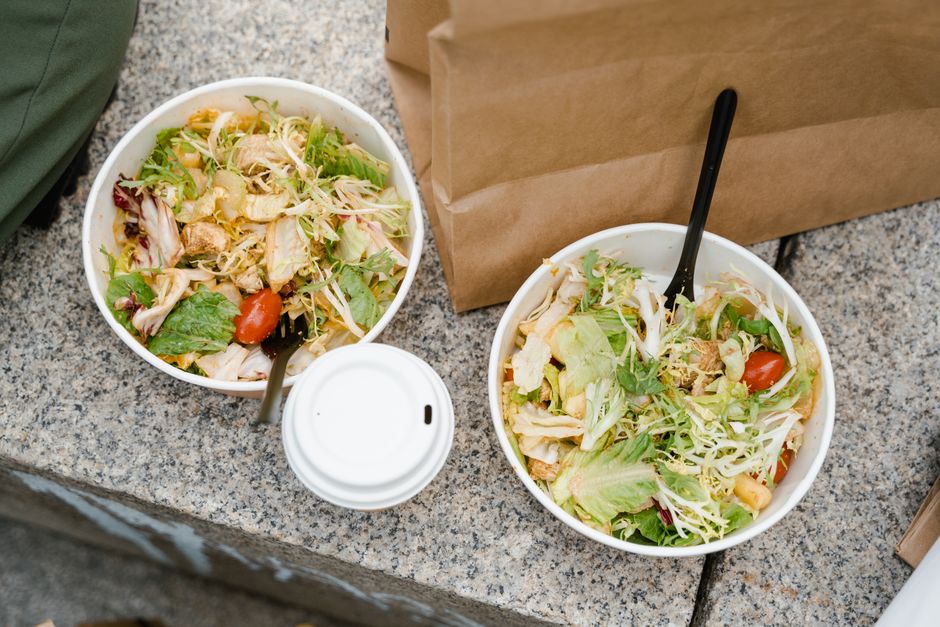
Practical targets: Include 25–35g of fiber daily from whole foods (e.g., oats, berries, broccoli, chia seeds, or black beans). Start meals with a fiber-rich salad or broth-based soup to pre-load satiety.
3. Hydrate Strategically (But Don’t Overdo It)
Thirst and hunger signals can overlap, especially in dehydrated states. Drinking a large glass of water half an hour before a meal modestly trims intake, an effect best documented in older adults. However, excessive water intake during meals can dilute stomach acid, impairing digestion. The key is consistency: sip water consistently throughout the day and assess hunger cues before reaching for snacks.
Practical targets: Drink 0.5–1 oz of water per pound of body weight daily (adjust for activity and climate). Use urine color as a rough guide, aim for pale yellow.
4. Align Eating Windows with Circadian Rhythms
Eating in sync with your body’s internal clock may reduce appetite and improve metabolic flexibility. Front-loading calories earlier in the day, when insulin sensitivity is highest, can curb evening cravings. People who eat their largest meal earlier in the day tend to report lower hunger and greater fullness than late eaters. This doesn’t require strict time-restricted eating, but it does favor earlier, larger meals over late-night grazing.
Practical targets: Shift 60–70% of daily calories to the first half of the day. If dinner is late, opt for lighter, protein- and fiber-rich options.
5. Manage Stress Without Relying on Willpower Alone
Chronic stress disrupts appetite regulation by elevating cortisol, which can increase cravings for hyper-palatable foods while impairing the brain’s satiety response. Stress also disrupts sleep, which further deregulates hunger hormones like ghrelin and leptin. The solution isn’t to eliminate stress entirely but to build buffers: prioritize sleep, incorporate mindful movement, and use tactical relaxation techniques (e.g., box breathing, short walks).
Practical targets: Aim for 7–9 hours of sleep nightly. Practice 5–10 minutes of diaphragmatic breathing upon waking or before meals to reset the nervous system.
6. Optimize Meal Timing for Appetite Control
Spacing meals 3–5 hours apart allows for complete gastric emptying and prevents the blood sugar rollercoaster that fuels mid-afternoon crashes. Structured meal timing tends to trim overall intake without conscious effort. The exception: pre-workout fueling for intense exercise, where a small carbohydrate source (e.g., banana or rice cake) can prevent distraction hunger.
Practical targets: Plan three balanced meals with optional 100–200 calorie snacks only if 4+ hours pass between meals. Use a hunger scale (1–10) to guide decisions, eat at a 3, stop at a 7.
7. Strength Train to Preserve Metabolic Flexibility
While resistance training doesn’t dramatically increase resting metabolic rate, it preserves lean muscle mass during a calorie deficit, a critical factor in long-term appetite regulation. Muscle tissue is metabolically active and more sensitive to satiety signals than fat. Adults who strength train a few times a week often report noticeably lower hunger on training days.
Practical targets: Include 2–3 full-body strength sessions weekly (bodyweight, dumbbells, or machines). Focus on compound movements (squats, presses, rows) for maximal muscle engagement.
Troubleshooting: When Hunger Feels Unstoppable
If you’ve implemented these strategies but still struggle with persistent hunger, consider these adjustments:
- Check for hidden deficits: Are you eating enough calories overall? Undereating can paradoxically increase hunger by lowering leptin and raising ghrelin.
- Review food quality: Ultra-processed foods (even low-calorie ones) often lack satiety-promoting nutrients, leading to compensatory overeating.
- Assess sleep debt: Even one night of poor sleep measurably shifts ghrelin and leptin in the wrong direction.
- Rule out medical factors: Conditions like thyroid dysfunction or PCOS can alter hunger signals. Consult a healthcare provider if appetite remains unmanageable despite lifestyle changes.
Recommended Health & Fitness Gear




7-Day Hunger Hacking Action Plan
| Day | Focus | Key Actions |
|---|---|---|
| Day 1–2 | Protein Priming | Add 20g+ protein to breakfast (e.g., Greek yogurt + nuts). Track hunger on a 1–10 scale before/after meals. |
| Day 3–4 | Fiber Front-Loading | Start lunch and dinner with a 2-cup salad or broth-based soup. Swap refined carbs for lentils or quinoa. |
| Day 5–6 | Hydration Reset | Drink 16 oz water upon waking and 8 oz before each meal. Monitor urine color and adjust intake. |
| Day 7 | Circadian Alignment | Eat 60% of daily calories before 3 p.m. Include a protein-rich breakfast and lunch. |
| Day 8–14 | Consolidation | Combine all strategies. Add 2 strength sessions weekly. Reassess hunger cues and adjust portions as needed. |
Myth Buster: “Starvation Mode” Is a Misnomer
Contrary to popular belief, metabolic adaptation during weight loss is not a “starvation mode” but a biological survival mechanism. The body reduces non-essential energy expenditure (e.g., NEAT, or non-exercise activity thermogenesis) and increases hunger hormones like ghrelin to prioritize energy conservation. However, this response is proportional to the size of the deficit, not a cliff-like drop in metabolism. After roughly 10% weight loss, resting metabolic rate drops only modestly, nothing like the exaggerated figures often cited.
The takeaway: Moderate deficits (10–20% below maintenance) combined with protein and strength training mitigate metabolic slowdown. Extreme restriction is counterproductive for long-term appetite control.
Frequently Asked Questions
Q: Does drinking water with meals reduce nutrient absorption?
A: No. Water dilutes stomach acid slightly but does not meaningfully impair digestion or nutrient uptake. Focus on sipping, not guzzling, during meals to avoid discomfort.
Q: Can intermittent fasting help regulate appetite?
A: It may for some, but it’s not a universal solution. Fasting can lower ghrelin in the short term but may increase it in the long term if meals are unbalanced. The key is consistency in meal timing and nutrient density.
Q: Are artificial sweeteners linked to increased hunger?
A: Current evidence is mixed. Some studies suggest artificial sweeteners may disrupt satiety signaling by altering gut microbiota, while others show no effect. If cravings persist, opt for whole-food sweetness (e.g., berries) instead.
Q: How do I tell real hunger from emotional hunger?
A: Real hunger builds gradually, is satisfied by a variety of foods, and doesn’t involve guilt. Emotional hunger strikes suddenly, demands specific comfort foods, and often persists after eating. Pause and ask: “Am I hungry, or am I seeking distraction?”
What Matters Most
- Protein is the most potent satiety tool: Aim for 20–30g per meal to blunt ghrelin and extend fullness.
- Fiber and volume matter: Prioritize whole, minimally processed foods to trigger stretch receptors and gut-brain signaling.
- Hydration is a hunger hack: Consistent water intake reduces false hunger signals without diluting digestion.
- Circadian eating supports regulation: Front-load calories to align with natural insulin sensitivity and curb evening cravings.
- Strength training preserves muscle: It maintains metabolic flexibility and improves sensitivity to satiety hormones during a deficit.
- Metabolic adaptation is modest: Moderate deficits and balanced nutrition prevent exaggerated slowdowns in metabolism.
Advertising disclosure: the links below are affiliate links. We may earn a commission if you use them, at no extra cost to you. This does not change the article's content, and it is not a medical recommendation.
Browse kitchen and portion tools on Amazon
Food scales, portion containers and measuring sets, as an Amazon category search. We have not tested individual products.