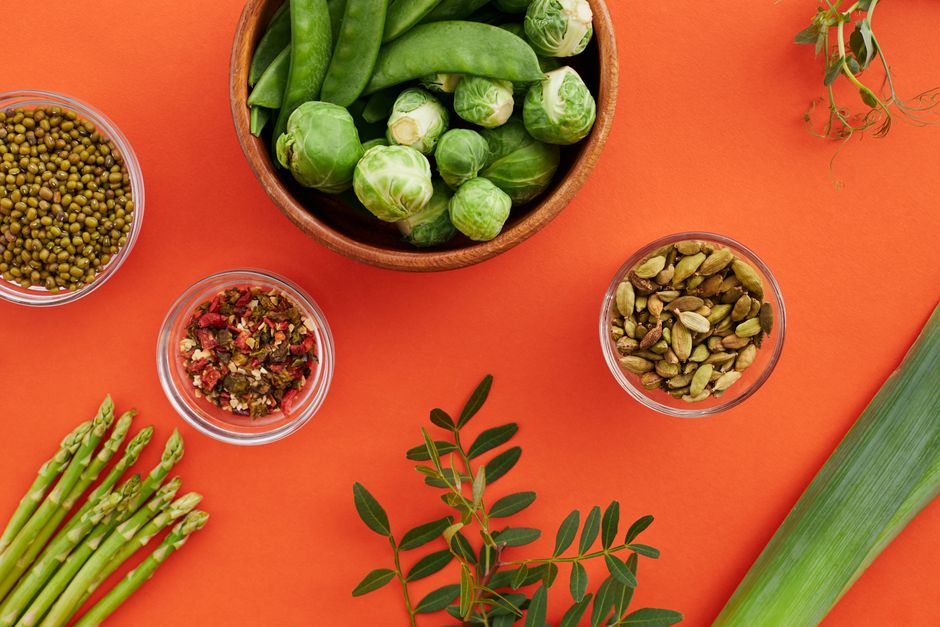
What to Eat with PCOS to Feel Better and Lose Weight
Polycystic ovary syndrome (PCOS) affects up to 15% of women of reproductive age, with insulin resistance as a central driver of symptoms like weight gain, fatigue, and hormonal imbalances. While there is no one-size-fits-all diet for PCOS, research consistently highlights the importance of stabilizing blood sugar, reducing inflammation, and supporting metabolic health (International Journal of Molecular Sciences, 2021). The goal is not just weight loss but improved energy, regular cycles, and long-term well-being. Below is a science-backed, actionable guide to nutrition strategies that address the root causes of PCOS.
Why Diet Matters for PCOS
Insulin resistance is present in an estimated 50–70% of women with PCOS, impairing the body’s ability to regulate blood sugar and increasing fat storage, particularly around the abdomen. High insulin levels also stimulate the ovaries to produce excess androgens like testosterone, which can disrupt ovulation and contribute to symptoms such as acne and hair loss. A diet that prioritizes low-glycemic foods, adequate protein, and healthy fats can help lower insulin and improve hormone balance.
Chronic inflammation is another key factor in PCOS. Elevated inflammatory markers like C-reactive protein (CRP) are linked to more severe symptoms and metabolic dysfunction. Certain foods, such as refined carbohydrates and processed vegetable oils, can exacerbate inflammation, while others, like leafy greens and fatty fish, may help reduce it. A balanced, whole-food approach supports both metabolic and hormonal health.
Why Insulin Resistance Is the Core Driver of PCOS Weight Struggles
Polycystic ovary syndrome (PCOS) affects up to 15% of women of reproductive age, and insulin resistance is present in roughly 70% of cases (Nestler et al., 2010). This metabolic dysfunction creates a vicious cycle: elevated insulin levels increase ovarian androgen production, disrupt ovulation, and promote fat storage, particularly around the abdomen. While genetics and lifestyle both contribute, dietary choices play a vital role in breaking this cycle. A targeted PCOS diet focuses on stabilizing blood sugar, reducing inflammation, and supporting hormonal balance without extreme calorie restriction.
Low-glycemic diets improve insulin sensitivity and reduce free testosterone in women with PCOS. Unlike generic weight-loss diets, a PCOS-specific approach prioritizes foods that minimize glucose spikes while providing adequate protein, fiber, and healthy fats to sustain energy and curb cravings. The goal isn’t just weight loss, it’s metabolic reprogramming.
Core Principles of a PCOS-Friendly Diet
Prioritize low-glycemic carbohydrates. Foods that cause minimal spikes in blood sugar help prevent insulin surges. Focus on non-starchy vegetables, berries, legumes, and whole grains like quinoa or steel-cut oats. These foods provide fiber, which slows digestion and improves insulin sensitivity. Harvard’s Healthy Eating Plate recommends filling half your plate with vegetables and choosing whole grains over refined ones to support steady energy levels.
Include lean protein at every meal. Protein helps maintain muscle mass, supports satiety, and has a minimal effect on blood sugar. Aim for sources like chicken, turkey, fish, eggs, tofu, and Greek yogurt. Higher protein intake tends to improve body composition and blunt cravings in women with PCOS. Protein also raises the energy cost of digestion and helps hold on to lean mass while you are eating less (The American Journal of Clinical Nutrition, 2016).
Choose anti-inflammatory fats. Omega-3 fatty acids, found in fatty fish, walnuts, and flaxseeds, reduce inflammation and may improve lipid profiles. Monounsaturated fats, like those in olive oil and avocados, support heart health and insulin sensitivity. Avoid trans fats and limit intake of omega-6-rich oils (e.g., soybean, corn oil), which can promote inflammation when consumed in excess.
Limit refined carbohydrates and added sugars. Foods like white bread, pastries, and sugary beverages cause rapid blood sugar spikes and crashes, worsening insulin resistance and cravings. The Mayo Clinic recommends reducing added sugars to less than 10% of daily calories to support metabolic health.
Foods to Eat with PCOS
The following foods are consistently linked to improved insulin sensitivity, reduced inflammation, and better hormonal balance:
- Non-starchy vegetables: Spinach, kale, broccoli, zucchini, cauliflower, bell peppers. These are high in fiber, vitamins, and antioxidants.
- Berries: Blueberries, strawberries, raspberries. Low in sugar and rich in polyphenols that combat oxidative stress.
- Legumes: Lentils, chickpeas, black beans. High in fiber and plant-based protein, with a low glycemic index.
- Whole grains: Quinoa, farro, brown rice, oats. Provide sustained energy and fiber without spiking blood sugar.
- Lean proteins: Salmon, sardines, chicken breast, turkey, eggs, tofu. Support muscle maintenance and satiety.
- Healthy fats: Avocados, nuts, seeds, extra virgin olive oil. Promote hormone production and reduce inflammation.
- Anti-inflammatory spices: Turmeric, cinnamon, ginger. May help lower CRP and improve insulin sensitivity.
Foods to Limit or Avoid with PCOS
Certain foods can worsen insulin resistance, inflammation, and hormonal imbalances. These include:
- Refined carbohydrates: White bread, pasta, pastries, cereals with added sugar. These digest quickly, leading to blood sugar spikes.
- Processed snacks: Chips, crackers, granola bars with added sugars. Often high in unhealthy fats and low in nutrients.
- Sugary beverages: Soda, fruit juices, sweetened coffees. Contribute to rapid glucose absorption and fat storage.
- Trans fats: Fried foods, margarine, packaged baked goods. Linked to increased inflammation and insulin resistance.
- Excessive dairy (for some): While dairy provides calcium and protein, some women with PCOS report worsened acne or hormonal symptoms. Opt for fermented dairy like Greek yogurt or kefir if tolerated, and monitor individual responses.
Common Myths About PCOS and Diet
Myth: All carbohydrates are bad for PCOS. The reality is more nuanced. Carbohydrates are not inherently harmful; the issue lies in the type and timing. Low-glycemic, fiber-rich carbs like sweet potatoes, oats, and lentils can be part of a balanced diet (Advances in Clinical and Experimental Medicine, 2019). The key is pairing carbs with protein and healthy fats to slow digestion and minimize insulin spikes.
Myth: Cutting out all dairy is necessary for weight loss with PCOS. Dairy contains protein, calcium, and probiotics, which can benefit gut health. However, some women with PCOS may have sensitivities to dairy proteins like casein or whey, which can trigger inflammation or digestive issues. If symptoms like bloating or acne persist, experimenting with dairy-free alternatives may help identify a personal tolerance (The British Journal of Dermatology, 2013).
Myth: A ketogenic diet is the only way to manage PCOS. While very low-carb diets can improve insulin sensitivity in the short term, they are not sustainable or necessary for everyone. Long-term adherence to extreme carb restriction may lead to nutrient deficiencies, fatigue, or disordered eating patterns. A moderate, balanced approach that focuses on whole foods is more practical for most women.
Supplements That May Support PCOS Management
While diet is the foundation, certain supplements may complement a PCOS-friendly eating plan. Always consult a healthcare provider before starting any new supplement, especially if you have underlying conditions or take medications.
- Inositol: A B-vitamin-like compound that improves insulin sensitivity and may restore ovulation. Studies suggest doses of 2–4 grams daily may reduce testosterone and improve metabolic markers.
- Omega-3 fatty acids (EPA/DHA): Found in fish oil, these reduce inflammation and may lower triglycerides. Aim for 1–2 grams of combined EPA/DHA daily.
- Vitamin D: Many women with PCOS are deficient, and supplementation may improve menstrual regularity and insulin resistance. A typical dose is 1,000–2,000 IU daily, with blood levels monitored.
- Magnesium: Supports glucose metabolism and may reduce cravings. Foods like spinach, almonds, and pumpkin seeds are good sources, but supplementation (200–400 mg daily) can help if intake is low.
- Spearmint tea: May lower free testosterone levels when consumed regularly. Two cups daily is a common recommendation.
7-Day Action Plan for PCOS Nutrition
This plan focuses on balanced meals that stabilize blood sugar, support gut health, and reduce inflammation. Adjust portion sizes based on your body size, activity level, and hunger cues.
Day 1
- Breakfast: Scrambled eggs with spinach, avocado, and a side of berries.
- Snack: Greek yogurt with chia seeds and a sprinkle of cinnamon.
- Lunch: Grilled salmon with quinoa and roasted Brussels sprouts.
- Snack: Handful of almonds and an apple.
- Dinner: Turkey chili with black beans, tomatoes, and bell peppers.
Day 2
- Breakfast: Oatmeal with flaxseeds, walnuts, and a drizzle of honey.
- Snack: Hard-boiled eggs with cucumber slices.
- Lunch: Chicken salad with mixed greens, olive oil, and lemon dressing.
- Snack: Carrot sticks with hummus.
- Dinner: Baked cod with roasted sweet potatoes and steamed asparagus.
Day 3
- Breakfast: Smoothie with unsweetened almond milk, spinach, frozen berries, and protein powder.
- Snack: Cottage cheese with pineapple chunks.
- Lunch: Lentil soup with a side of whole-grain toast.
- Snack: Celery with almond butter.
- Dinner: Grilled chicken with cauliflower rice and sautéed kale.
Day 4
- Breakfast: Chia pudding with coconut milk, topped with raspberries.
- Snack: Turkey roll-ups with avocado.
- Lunch: Quinoa bowl with roasted vegetables, chickpeas, and tahini dressing.
- Snack: Handful of walnuts and a pear.
- Dinner: Beef stir-fry with broccoli, mushrooms, and brown rice.
Day 5
- Breakfast: Veggie omelet with feta cheese and a side of grapefruit.
- Snack: Edamame with sea salt.
- Lunch: Sardines on whole-grain crackers with a side salad.
- Snack: Sliced bell peppers with guacamole.
- Dinner: Baked chicken thighs with roasted zucchini and farro.
Day 6
- Breakfast: Buckwheat pancakes with almond butter and banana slices.
- Snack: Roasted chickpeas.
- Lunch: Tuna salad with mixed greens, olives, and olive oil dressing.
- Snack: Greek yogurt with walnuts and cinnamon.
- Dinner: Stuffed bell peppers with ground turkey, quinoa, and tomatoes.
Day 7
- Breakfast: Breakfast burrito with scrambled eggs, black beans, avocado, and salsa in a whole-wheat tortilla.
- Snack: Apple slices with almond butter.
- Lunch: Grilled shrimp skewers with a side of tabbouleh salad.
- Snack: Cottage cheese with sliced peaches.
- Dinner: Herb-roasted chicken with mashed cauliflower and green beans.
Troubleshooting: When Weight Loss Stalls
If you’re following a PCOS-friendly diet but not seeing changes in weight or symptoms, consider these adjustments:
- Reassess portion sizes. Even healthy foods can contribute to weight gain if portions are too large. Use a food scale or measuring cups to ensure accuracy.
- Check for hidden sugars. Sauces, dressings, and processed foods often contain added sugars. Opt for homemade versions or read labels carefully.
- Prioritize sleep and stress management. Poor sleep and chronic stress elevate cortisol, which can increase appetite and water retention. Aim for 7–9 hours of quality sleep and incorporate relaxation techniques like deep breathing or gentle yoga.
- Monitor fiber intake. While fiber is beneficial, too much too quickly can cause digestive discomfort. Gradually increase intake and drink plenty of water.
- Consider food sensitivities. Dairy, gluten, or nightshades may trigger inflammation in some individuals. An elimination diet (under guidance) can help identify triggers.
- Adjust activity levels. Strength training 2–3 times per week helps preserve muscle mass during weight loss. Focus on progressive overload rather than excessive cardio.
The Bottom Line
- PCOS management centers on improving insulin sensitivity through diet, with a focus on low-glycemic carbohydrates, lean protein, and healthy fats.
- Chronic inflammation and hormonal imbalances are closely tied to diet, making anti-inflammatory foods and spices valuable additions.
- Refined carbohydrates, added sugars, and processed foods should be limited to prevent blood sugar spikes and fat storage.
- Supplements like inositol, omega-3s, and vitamin D may support metabolic and hormonal health, but should be used under medical supervision.
- Consistency and individualization are key, what works for one person may not work for another, so track symptoms and adjust as needed.
Frequently Asked Questions
Can I eat fruit if I have PCOS?
Yes, but choose lower-sugar options like berries, apples, and pears. Pair fruit with protein or healthy fats to minimize blood sugar spikes. Avoid high-sugar fruits like mangoes, pineapple, and watermelon in large quantities.
Is intermittent fasting safe for PCOS?
Some women with PCOS benefit from intermittent fasting, as it may improve insulin sensitivity. However, others experience increased cortisol and cravings. Start with a 12-hour overnight fast and monitor symptoms. Avoid fasting if you have a history of disordered eating or adrenal fatigue.
Should I avoid gluten if I have PCOS?
Gluten is not inherently harmful for PCOS, but some women report reduced inflammation and bloating when eliminating it. If you suspect a sensitivity, try a gluten-free trial for 4–6 weeks and assess changes in symptoms.
How long does it take to see improvements in PCOS symptoms?
Dietary changes can lead to noticeable improvements in energy and bloating within 2–4 weeks. Hormonal benefits, such as more regular cycles, may take 3–6 months. Consistency is critical, small, sustainable changes yield the best long-term results.
Final Thoughts
Managing PCOS through diet is less about strict rules and more about creating a sustainable, nourishing eating pattern that supports metabolic and hormonal health. Focus on whole foods, balance, and individual tolerance rather than chasing quick fixes. Pair your nutrition plan with regular movement, stress management, and adequate sleep for the best outcomes. Always work with a healthcare provider or registered dietitian to tailor recommendations to your unique needs.
Foods to Eat and Avoid in PCOS
The table below categorizes foods based on their impact on insulin sensitivity and overall metabolic health.
| Foods to Include | Foods to Limit or Avoid |
|---|---|
|
|
Recommended Health & Fitness Gear



7-Day PCOS Diet Action Plan
This plan emphasizes blood sugar stability, anti-inflammatory foods, and adequate protein while avoiding common triggers. Adjust portion sizes based on individual needs, activity levels, and hunger cues.
Day 1
- Breakfast: Greek yogurt (unsweetened) with chia seeds, blueberries, and a sprinkle of almonds
- Snack: Hard-boiled eggs with cucumber slices
- Lunch: Grilled salmon with quinoa and roasted Brussels sprouts
- Snack: Celery sticks with almond butter
- Dinner: Turkey chili with black beans, tomatoes, and avocado
Day 2
- Breakfast: Scrambled tofu with spinach, mushrooms, and a side of berries
- Snack: Cottage cheese with walnuts
- Lunch: Lentil soup with a side of mixed greens and olive oil dressing
- Snack: Roasted chickpeas
- Dinner: Baked chicken thighs with roasted sweet potatoes and steamed broccoli
Day 3
- Breakfast: Overnight oats with flaxseeds, raspberries, and a dollop of almond butter
- Snack: Turkey slices with avocado
- Lunch: Grilled shrimp salad with mixed greens, cherry tomatoes, and balsamic vinaigrette
- Snack: Sliced apple with peanut butter
- Dinner: Beef stir-fry with bell peppers, snap peas, and brown rice
Day 4
- Breakfast: Chia pudding made with unsweetened almond milk, topped with hemp seeds and blackberries
- Snack: Edamame with sea salt
- Lunch: Quinoa bowl with roasted vegetables, chickpeas, and tahini dressing
- Snack: Greek yogurt with cinnamon
- Dinner: Baked cod with asparagus and mashed cauliflower
Day 5
- Breakfast: Smoothie with spinach, almond milk, protein powder, and flaxseeds
- Snack: Almonds and a small pear
- Lunch: Grilled chicken Caesar salad (no croutons, dressing on the side)
- Snack: Cottage cheese with pineapple
- Dinner: Stuffed bell peppers with ground turkey, quinoa, and tomatoes
Day 6
- Breakfast: Avocado toast on whole-grain bread with a poached egg
- Snack: Roasted pumpkin seeds
- Lunch: Tuna salad with mixed greens, cucumber, and olive oil
- Snack: Greek yogurt with walnuts
- Dinner: Grilled steak with roasted zucchini and a small baked potato
Day 7
- Breakfast: Veggie omelet with feta cheese and a side of berries
- Snack: Hummus with carrot and celery sticks
- Lunch: Grilled salmon with a kale and quinoa salad
- Snack: Dark chocolate (85% cocoa) with a handful of almonds
- Dinner: Baked chicken with roasted butternut squash and green beans
Beyond Food: Lifestyle Strategies to Enhance Results
While diet is the cornerstone of managing PCOS, other lifestyle factors play a supporting role in improving insulin sensitivity and overall well-being.
- Regular physical activity: Both aerobic exercise and resistance training enhance insulin sensitivity. Aim for at least 150 minutes of moderate-intensity activity per week, supplemented by two to three strength training sessions.
- Sleep optimization: Poor sleep disrupts appetite-regulating hormones like ghrelin and leptin, increasing cravings for high-carbohydrate foods. Prioritize 7 to 9 hours of quality sleep per night.
- Stress management: Chronic stress elevates cortisol, which can worsen insulin resistance and promote fat storage. Techniques such as mindfulness, yoga, and deep breathing may help mitigate these effects.
- Hydration: Adequate water intake supports metabolic processes and can reduce water retention. Aim for at least 2 liters daily, adjusting for body size and activity level.
Troubleshooting Common Challenges
Implementing dietary changes can be difficult, especially when cravings, social situations, or time constraints interfere. Use this step-by-step protocol to troubleshoot setbacks:
- Identify triggers: Keep a food diary for three days to note patterns in cravings or energy crashes. Common triggers include high-sugar snacks, late-night eating, or social gatherings.
- Plan ahead: Prepare meals and snacks in advance to avoid impulsive food choices. Batch cooking on weekends can streamline the process.
- Practice mindful eating: Slow down during meals, chew thoroughly, and avoid distractions like screens. This can improve satiety and reduce overeating.
- Address cravings strategically: If a craving for sweets arises, opt for a small portion of a low-GI fruit (e.g., berries) or a protein-rich snack (e.g., Greek yogurt).
- Seek support: Consider working with a registered dietitian or joining a support group for women with PCOS. Accountability can improve adherence to dietary changes.
Myth: A Low-Carb Diet Is the Only Solution for PCOS
While low-carbohydrate diets can improve insulin sensitivity in the short term, they’re not universally superior for PCOS. Both low-carb and low-glycemic diets reduce fasting insulin and testosterone in women with PCOS, and the effects look similar when calories and protein are matched. The critical factor is carbohydrate quality, not quantity.
Restricting carbohydrates too aggressively may lead to nutrient deficiencies, digestive issues, or unsustainable eating patterns. Instead of eliminating carbs, focus on their source and timing. For example, consuming most carbohydrates earlier in the day, when insulin sensitivity is higher, may yield better metabolic outcomes than evening consumption.
Advertising disclosure: the links below are affiliate links. We may earn a commission if you use them, at no extra cost to you. This does not change the article's content, and it is not a medical recommendation.
Browse kitchen and portion tools on Amazon
Food scales, portion containers and measuring sets, as an Amazon category search. We have not tested individual products.


