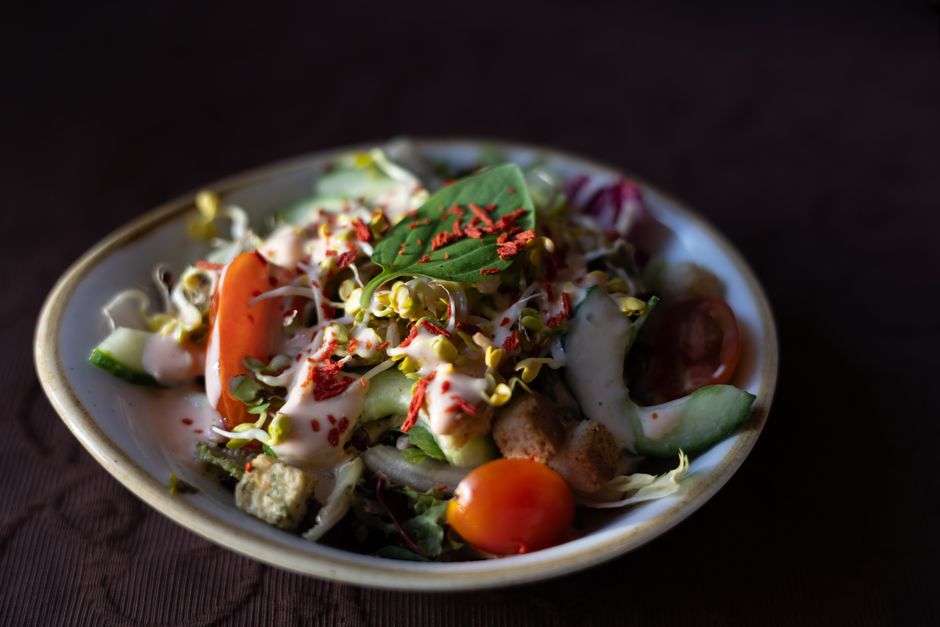
The Science-Backed Way to Lose Fat Faster (Without Starving Yourself)
Fat loss is often framed as a battle against hunger, but the most effective strategies work with the body’s natural physiology rather than against it. Sustainable fat loss depends on optimizing metabolic flexibility, appetite regulation, and energy expenditure, without extreme calorie restriction. By leveraging evidence-based tactics like non-exercise activity thermogenesis (NEAT), strategic protein intake, and cold exposure, individuals can accelerate fat loss while maintaining muscle and metabolic health.
Why Starvation Diets Fail
Severe calorie restriction triggers adaptive thermogenesis, a survival mechanism that slows metabolism and increases hunger. A study in Nutrients highlights that prolonged deficits can reduce resting metabolic rate by up to 15%, undermining long-term fat loss efforts. Instead of cutting calories drastically, the focus should shift to enhancing the body’s ability to burn fat efficiently.
Boost Metabolism with NEAT
Non-exercise activity thermogenesis (NEAT), the energy expended through daily movement, accounts for up to 30% of total daily energy expenditure in sedentary individuals. Small increases in NEAT, such as standing more, walking during calls, or taking short movement breaks, can significantly enhance fat oxidation without formal exercise. A Harvard analysis notes that even modest activity spikes can offset the metabolic slowdown associated with prolonged sitting (Harvard Nutrition Source).
Activate Brown Fat with Cold Exposure
Brown adipose tissue (BAT) burns calories to generate heat, and its activation can modestly increase energy expenditure. Exposure to cold temperatures, such as cold showers or lower indoor thermostats, stimulates BAT activity. While the effect is not dramatic, it may contribute to slight improvements in metabolic rate and fat oxidation over time.
The Protein Advantage
Protein is the most satiating macronutrient, reducing hunger hormones like ghrelin and increasing satiety hormones such as peptide YY. A high-protein diet also preserves lean muscle mass during a calorie deficit, which is critical for maintaining metabolic rate. The Mayo Clinic recommends distributing protein evenly across meals to support appetite control and muscle retention (Mayo Clinic Nutrition Guide).
Myth: Cardio is the Only Way to Burn Fat
While steady-state cardio burns calories, it does not uniquely target fat loss. The body’s fuel source depends on exercise intensity, duration, and individual fitness levels. High-intensity interval training (HIIT) and resistance training are more effective for preserving muscle and improving insulin sensitivity, which indirectly supports fat loss. Strength training, in particular, helps maintain metabolically active lean mass during a deficit.
Stress, Sleep, and Fat Loss
Chronic stress elevates cortisol, which can increase appetite and cravings for high-calorie foods. Poor sleep disrupts hunger-regulating hormones, leading to greater energy intake. Managing stress through mindfulness, adequate sleep, and balanced nutrition mitigates these effects, supporting fat loss efforts without extreme measures.
7-Day Action Plan for Sustainable Fat Loss
Daily Targets:
- Protein: 1.2 to 1.6 grams per kilogram of body weight, spread across 3–4 meals.
- NEAT: Aim for 8,000–10,000 steps daily, including short walks after meals.
- Cold Exposure: 2–3 minutes of cold shower or 10-minute walk in cooler temperatures.
- Strength Training: 3 sessions per week (full-body or split routines).
- Sleep: 7–9 hours per night, prioritizing consistency.
Sample Routine:
| Day | Activity | Nutrition Focus |
|---|---|---|
| Monday | Full-body strength training | 30g protein per meal |
| Tuesday | 10K steps + cold shower | High-protein breakfast |
| Wednesday | Upper-body strength training | Protein-packed lunch |
| Thursday | 10K steps + cold shower | Balanced dinner with lean protein |
| Friday | Lower-body strength training | Protein-rich snacks |
| Saturday | Active recovery (walking, yoga) | Hydration focus |
| Sunday | Rest or light activity | Mindful eating |
Troubleshooting Plateaus
If progress stalls, reassess the following:
- Calorie Accuracy: Recalculate needs based on current weight and activity.
- Protein Distribution: Ensure even intake across meals to maximize satiety.
- NEAT Levels: Increase daily steps or incorporate more movement breaks.
- Sleep Quality: Prioritize 7–9 hours and address disruptions.
- Stress Management: Practice relaxation techniques to reduce cortisol-driven cravings.
Key Takeaways
- Fat loss is optimized by working with, not against, the body’s metabolic processes.
- NEAT and strength training are powerful tools for enhancing energy expenditure and preserving muscle.
- Protein intake and sleep quality are critical for appetite control and metabolic health.
- Cold exposure and stress management provide subtle but meaningful metabolic benefits.
FAQ
Does eating late at night slow fat loss?
Total daily calorie intake matters more than timing. However, late-night eating may disrupt sleep or lead to overeating if not mindful. Prioritize balanced meals and avoid high-calorie snacks before bed.
Can I lose fat without cardio?
Yes. Strength training and NEAT can drive fat loss effectively. Cardio is beneficial but not mandatory for sustainable results.
How much protein do I need daily?
Aim for 1.2 to 1.6 grams per kilogram of body weight, adjusted for activity level and goals. Distribute intake evenly across meals for optimal satiety.
Does stress directly cause belly fat storage?
Stress increases cortisol, which can drive appetite and cravings but does not directly create fat storage without an energy surplus. Poor sleep and emotional eating are more likely contributors to abdominal fat gain.
Advertising disclosure: the links below are affiliate links. We may earn a commission if you use them, at no extra cost to you. This does not change the article's content, and it is not a medical recommendation.
Recommended Health & Fitness Gear

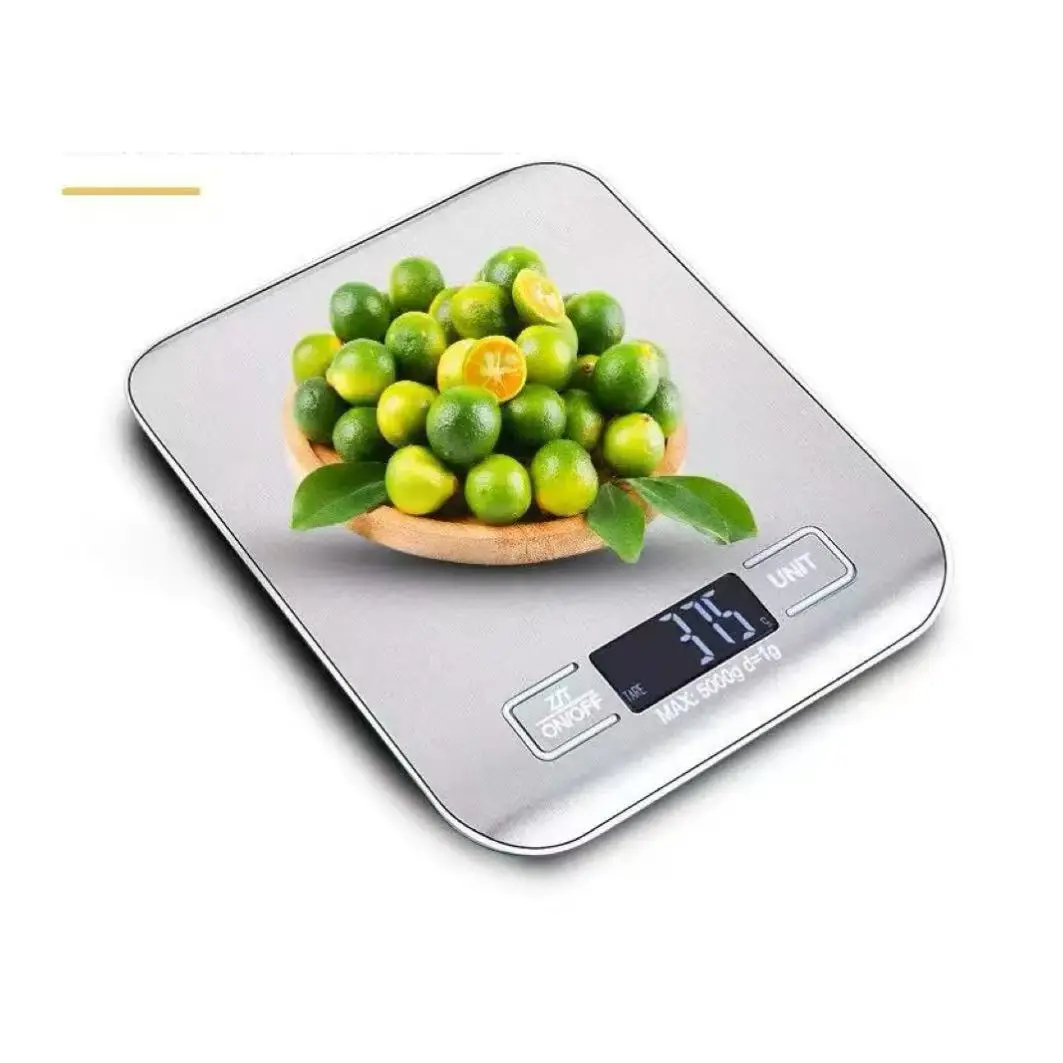


Browse kitchen and portion tools on Amazon
Food scales, portion containers and measuring sets, as an Amazon category search. We have not tested individual products.