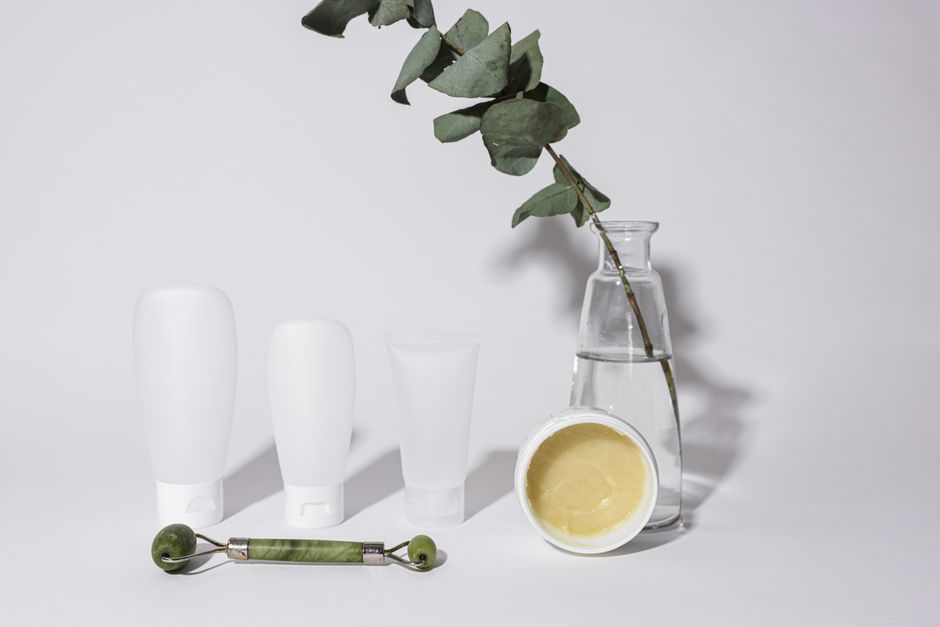
The Winter Skin Paradox: Why Your Face Feels Like the Sahara, and How to Fix It
Winter isn’t just a season of shorter days and colder air, it’s a physiological stress test for your skin. The same mechanisms that keep your body warm by constricting blood vessels and slowing sweat production also disrupt the delicate balance of your skin’s outer barrier. This leads to a phenomenon known as transepidermal water loss (TEWL), where moisture evaporates from the epidermis at an accelerated rate. The result? A face that feels tight, flaky, and uncomfortably dry, as if you’ve been stranded in a desert.
Understanding why this happens, and how to counteract it, requires a closer look at the skin’s structure and the environmental stressors unique to winter. Unlike summer, when humidity provides a temporary moisture boost, winter air is inherently low in water vapor, pulling hydration from the skin’s surface. Compounding the issue, indoor heating further depletes ambient moisture, creating a double-edged assault on your skin’s hydration levels.
How Winter Weather Disrupts Your Skin Barrier
The skin’s barrier function is governed by a complex matrix of lipids, including ceramides, cholesterol, and fatty acids, which work together to lock in moisture. In winter, these lipids become less mobile due to cold temperatures, reducing their ability to form a cohesive seal. This is why dermatologists often emphasize ceramide-rich moisturizers during colder months, they replenish the lipids your skin is struggling to produce naturally.
Additionally, the body’s natural sebum production slows in response to cold air, leaving the skin’s surface more vulnerable to environmental damage. This is particularly true for individuals with naturally dry skin or those prone to conditions like eczema, where the barrier is already compromised. The American Academy of Dermatology notes that winter exacerbates these issues by increasing the skin’s susceptibility to irritation and inflammation.
Building a Winter-Proof Skincare Routine
A proactive approach to winter skincare starts with gentle cleansing and ends with strategic hydration. The goal is to minimize disruption to the skin barrier while reinforcing its natural defenses. Here’s how to structure a routine that adapts to the season’s challenges:
1. Cleanse with Care
Harsh cleansers strip the skin of its natural oils, exacerbating dryness. Opt for cream-based or oil-based cleansers that remove impurities without compromising the barrier. Avoid foaming agents like sodium lauryl sulfate, which can be particularly drying in low humidity.
2. Layer Hydration Strategically
The skin’s ability to absorb moisture is limited, so layering products in order of consistency ensures deeper penetration. Start with a hydrating serum containing hyaluronic acid, a humectant that binds water to the skin. Follow with a ceramide-rich moisturizer to seal in hydration and repair the barrier. For those with severely dry skin, a petroleum-based occlusive (like Vaseline) can be applied as the final step to lock in moisture overnight.
3. Protect During the Day
Sunscreen isn’t just for summer. UV rays penetrate clouds and windows, contributing to collagen breakdown and increased dryness. Choose a broad-spectrum SPF 30+ with hydrating ingredients like glycerin or niacinamide. The Cleveland Clinic recommends reapplying every two hours if you’re outdoors, as winter sun can still cause cumulative damage.
4. Adjust Your Diet and Hydration
Skin hydration isn’t solely a topical concern. Omega-3 fatty acids, found in fish, flaxseeds, and walnuts, support the skin’s lipid barrier, while adequate water intake ensures internal hydration. Dehydration reduces blood flow to the skin, impairing its ability to retain moisture. However, increasing water intake alone won’t compensate for a compromised barrier; it must be paired with topical treatments.
Myth-Busting: "Oily Skin Doesn’t Need Winter Moisturizer"
A persistent misconception is that oily skin is immune to winter dryness. In reality, all skin types experience increased TEWL in cold weather, even if the surface appears greasy. Oily skin may produce more sebum, but this doesn’t equate to proper hydration. Oily skin can still suffer from barrier dysfunction, leading to inflammation and breakouts (Journal of Cosmetic Dermatology, 2025). The key is using lightweight, non-comedogenic moisturizers that balance hydration without clogging pores.
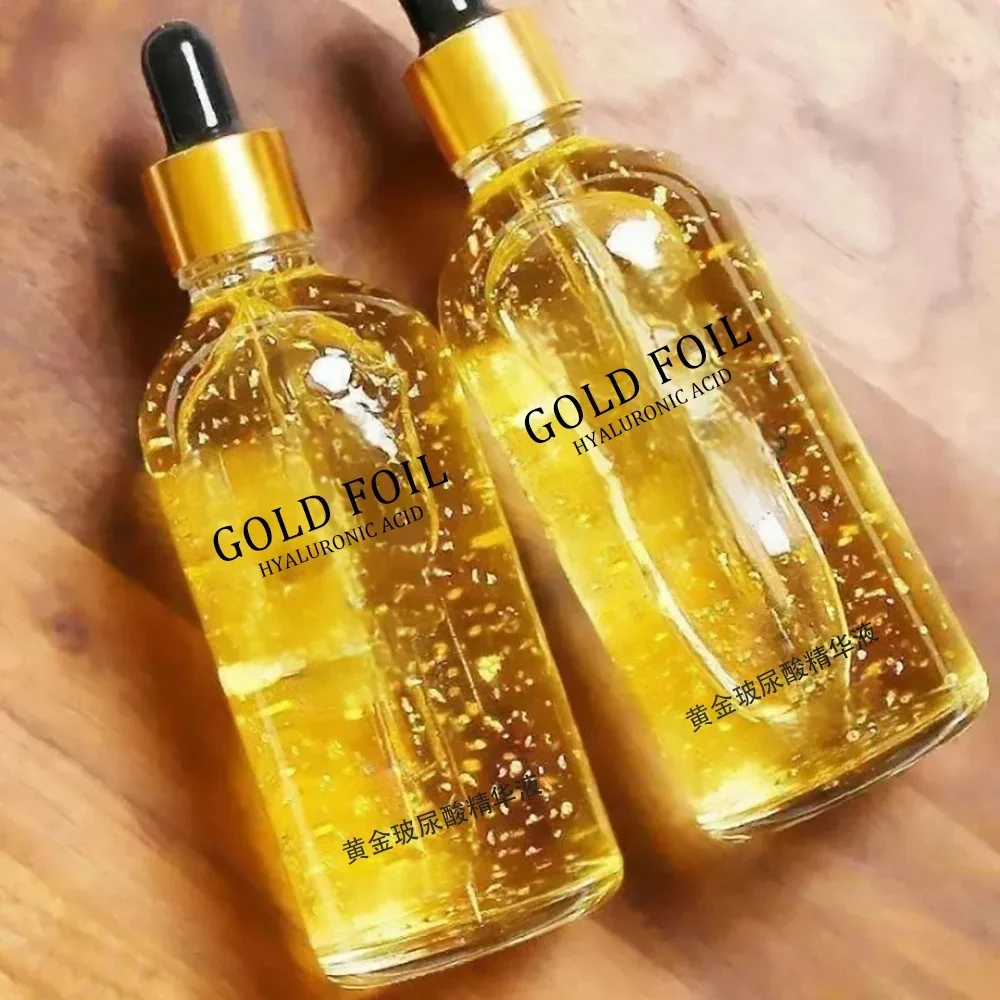
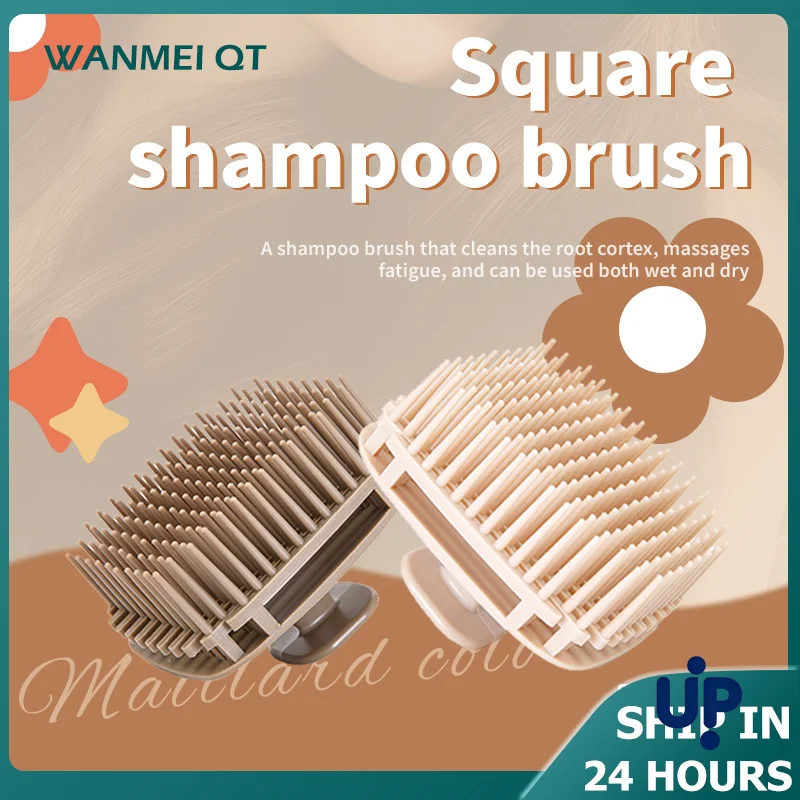
Recommended Skin & Hair Care Picks

When to Seek Professional Help
If your skin remains persistently dry, red, or cracked despite over-the-counter interventions, it may indicate an underlying condition like eczema, psoriasis, or contact dermatitis. These conditions often worsen in winter due to environmental triggers and require targeted treatments, such as prescription-strength corticosteroids or calcineurin inhibitors. A dermatologist can perform a patch test to identify allergens or recommend a tailored skincare regimen.
FAQ: Winter Skin Care
Why does my skin feel worse after a hot shower in winter?
Hot water dissolves the skin’s natural oils more aggressively than cold water, stripping the barrier and increasing TEWL. Additionally, prolonged exposure to hot water dilates blood vessels, which can lead to post-shower redness and irritation. Use lukewarm water and keep showers to ten minutes or less.
Can drinking more water fix dry winter skin?
While hydration is essential, drinking water alone won’t reverse dryness caused by barrier dysfunction. The skin’s outer layer is designed to retain moisture, so topical treatments are far more effective. However, adequate water intake supports overall skin health and prevents dehydration from exacerbating dryness.
Are natural oils (like coconut or jojoba) better than commercial moisturizers for winter?
Natural oils can provide temporary relief, but their efficacy depends on their comedogenic rating and the skin’s specific needs. For example, coconut oil is highly comedogenic and may clog pores for acne-prone skin, while jojoba oil closely mimics the skin’s sebum. Commercial moisturizers are formulated to balance hydration and barrier repair, often incorporating ceramides and humectants for superior results.
How often should I exfoliate in winter?
Exfoliation can be beneficial if done correctly, but over-exfoliating in winter can worsen dryness. Limit chemical exfoliants (like AHAs or BHAs) to once or twice a week, and avoid physical scrubs, which can micro-tear the skin. Opt for gentle, pH-balanced exfoliants and always follow with a ceramide-rich moisturizer to restore the barrier.
A Quick Recap
- Winter air accelerates transepidermal water loss (TEWL), depleting the skin’s moisture reserves.
- Ceramide-rich moisturizers are essential for repairing the skin barrier disrupted by cold temperatures and indoor heating.
- Layer hydration strategically: humectants (like hyaluronic acid) draw moisture in, while occlusives (like petroleum) lock it in.
- All skin types need winter hydration, oily skin is not exempt from barrier dysfunction.
- Hot showers and harsh cleansers exacerbate dryness by stripping natural oils.
- Persistent dryness may signal an underlying condition like eczema, requiring professional intervention.
Advertising disclosure: the links below are affiliate links. We may earn a commission if you use them, at no extra cost to you. This does not change the article's content, and it is not a medical recommendation.
Browse skincare basics on Amazon
Cleansers, moisturisers and sunscreens, as an Amazon category search. We have not tested individual products.


