
Why Your Skin Barrier Needs Immediate Attention, and How to Fix It
The skin barrier, also known as the stratum corneum, is your body’s first line of defense against environmental aggressors, pathogens, and moisture loss. When compromised, it leads to redness, flakiness, stinging, and a heightened risk of irritation or infection. Unlike temporary dryness, a damaged barrier requires a targeted, science-backed approach to restore balance. Below is a dermatologist-approved routine to repair your skin barrier efficiently, backed by clinical research and expert consensus.
According to the American Academy of Dermatology (AAD), a compromised barrier often results from over-exfoliation, harsh cleansers, or environmental stressors like cold weather and low humidity. The Cleveland Clinic notes that symptoms such as persistent dryness, itching, or sensitivity signal barrier dysfunction, which can exacerbate conditions like eczema or rosacea if left unaddressed. Repairing the barrier involves replenishing lipids, reducing inflammation, and avoiding further irritation.
Key Signs Your Skin Barrier Is Damaged
- Persistent dryness or flaking despite moisturizer use.
- Redness, stinging, or burning after applying products.
- Increased sensitivity to previously tolerated skincare ingredients.
- Slow healing of minor cuts or abrasions.
Dermatologist-Approved Routine to Repair Your Skin Barrier
This routine prioritizes gentle cleansing, lipid replenishment, and anti-inflammatory ingredients to restore barrier function within 7–14 days. Consistency is critical, avoid introducing new actives during this period.
Morning Routine
Step 1: Cleanse with a pH-balanced, non-foaming cleanser
- Use a cream or oil-based cleanser with a pH between 5.0 and 6.0 to avoid stripping natural oils. Examples include CeraVe Hydrating Cleanser or La Roche-Posay Toleriane Dermo-Cleanser.
- Avoid sulfates (SLS/SLES) and high-foaming agents, which disrupt the barrier. The AAD recommends opting for syndet (synthetic detergent) bars or gentle cleansing milks for sensitive skin.
Step 2: Apply a barrier-repairing serum or essence
- Look for ingredients that mimic the skin’s natural lipids, such as ceramides, cholesterol, and fatty acids. These help rebuild the stratum corneum. Products like Dr. Jart+ Ceramidin Cream or SkinCeuticals Triple Lipid Restore 2:4:2 are formulated with these components.
- Niacinamide (5% or less) can also support barrier function by reducing transepidermal water loss (TEWL).
Step 3: Moisturize with a ceramide-rich, occlusive moisturizer
- Choose a moisturizer with ceramides, squalane, or glycerin to lock in hydration. The Cleveland Clinic emphasizes that occlusives like dimethicone or petrolatum create a protective seal over the skin.
- Apply to damp skin to enhance absorption. Examples include Eucerin Advanced Repair Cream or Avene Cicalfate+ Restorative Protective Cream.
Step 4: Apply broad-spectrum sunscreen (SPF 30+)
- UV exposure exacerbates barrier damage by increasing oxidative stress. The AAD recommends mineral sunscreens (zinc oxide or titanium dioxide) for sensitive skin to minimize irritation.
Evening Routine
Step 1: Double cleanse (if wearing makeup or sunscreen)
- Start with an oil-based cleanser to dissolve sunscreen and sebum, followed by a gentle cream cleanser. This prevents residue that could clog pores or irritate the barrier.
Step 2: Apply a repair-focused serum or treatment
- Consider a panthenol (provitamin B5) or allantoin serum to soothe and promote healing. These ingredients support skin regeneration.
- Avoid retinoids, AHAs, or BHAs during repair, as they can further compromise the barrier.
Step 3: Layer a thicker moisturizer or healing balm
- Opt for a petrolatum-based balm (e.g., Vaseline or CeraVe Healing Ointment) at night to provide an occlusive seal. The Cleveland Clinic notes that petrolatum is non-comedogenic and safe for all skin types when used on intact skin.
7-Day Action Plan to Accelerate Barrier Repair
Follow this structured protocol to restore your skin barrier within a week. Adjust based on individual tolerance and consult a dermatologist if symptoms worsen.
| Day | Morning Routine | Evening Routine | Notes |
|---|---|---|---|
| Days 1–3 |
|
|
Skip exfoliation and retinoids entirely. Avoid hot water and harsh towels. |
| Days 4–7 |
|
|
Monitor for improvement in redness and dryness. If irritation persists, extend this phase. |
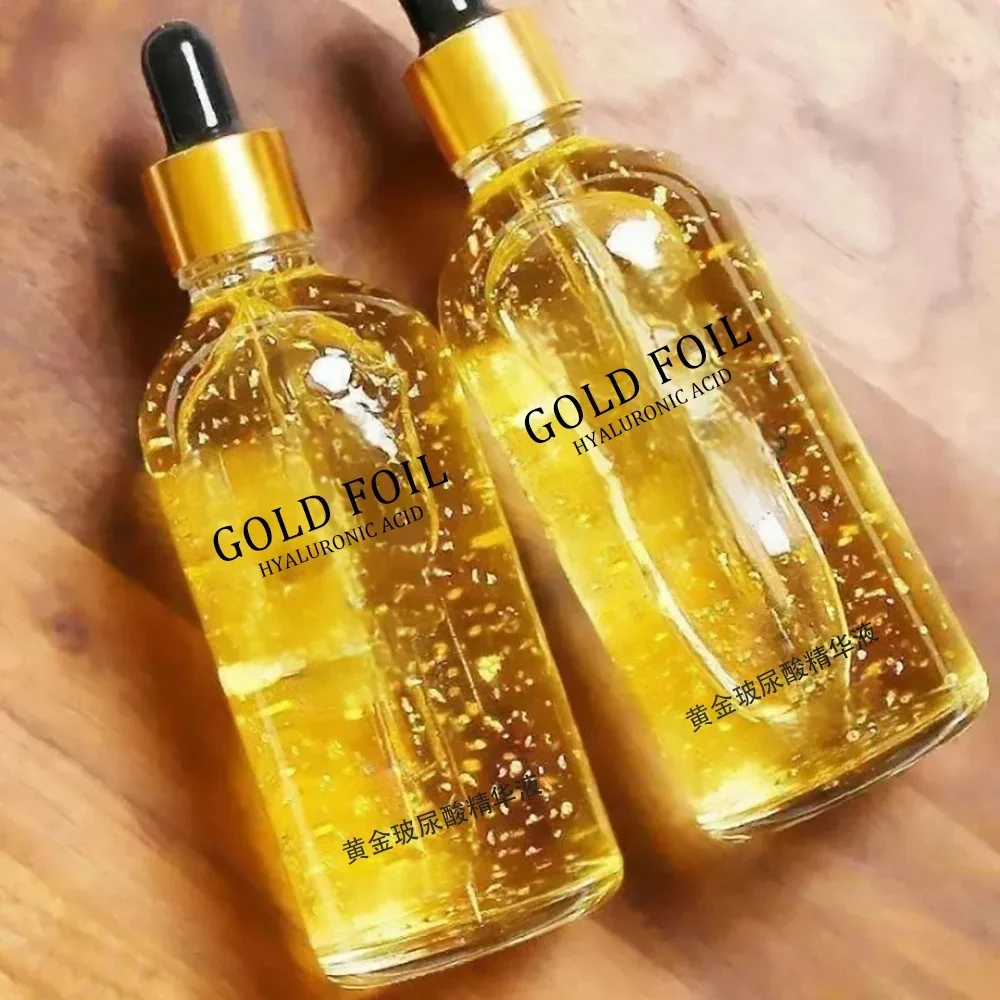
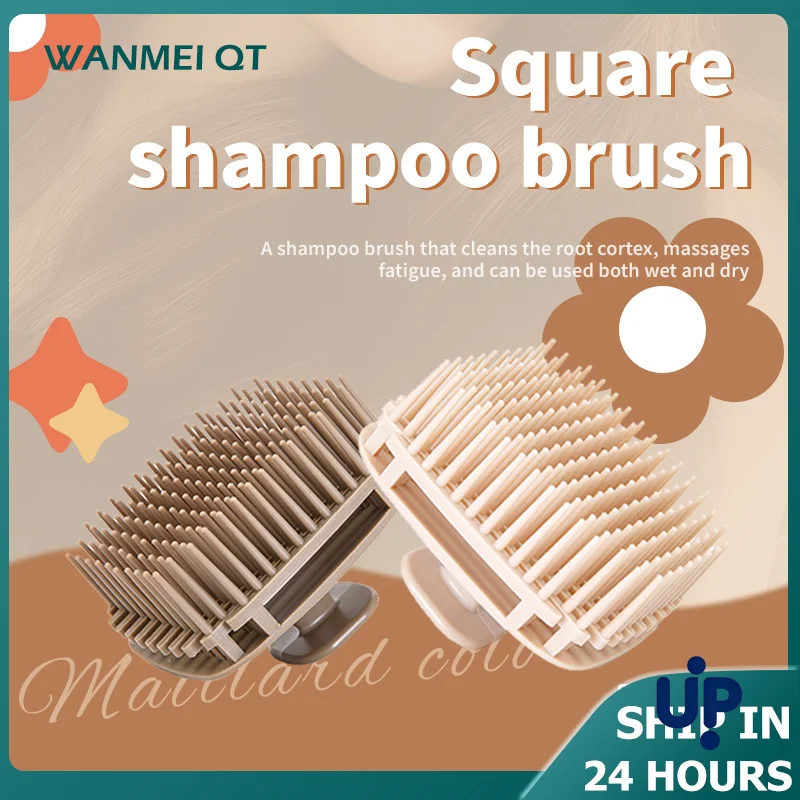
Recommended Skin & Hair Care Picks

Common Myths About Skin Barrier Repair
Myth: Exfoliating removes dead skin and speeds up barrier repair.
Exfoliation can worsen barrier damage by increasing transepidermal water loss (TEWL) and exposing sensitive layers to irritants. The AAD advises against exfoliating damaged skin, as it delays healing. Instead, focus on gentle hydration and lipid replenishment.
Myth: Drinking more water directly hydrates the skin.
While hydration supports overall skin health, water intake does not directly increase moisture in the stratum corneum. Topical humectants (e.g., glycerin, hyaluronic acid) and occlusives are far more effective for barrier repair. The Cleveland Clinic emphasizes that internal hydration aids circulation and nutrient delivery but is not a substitute for topical care.
Myth: All moisturizers are equally effective for barrier repair.
Not all moisturizers contain the necessary lipids to repair the barrier. Products labeled as "barrier-repairing" or "ceramide-rich" are formulated with ingredients that mimic the skin’s natural structure. Simple emollients (e.g., coconut oil) lack the essential ceramides needed for long-term repair.
Troubleshooting: When to Adjust Your Routine
If symptoms persist beyond 14 days, consider the following adjustments:
- Increase occlusives: Switch to a thicker balm (e.g., Aquaphor) at night if moisture loss is severe.
- Reduce environmental triggers: Use a humidifier in dry climates and avoid prolonged water exposure (e.g., long showers).
- Consult a dermatologist: Persistent redness, oozing, or pain may indicate infection or a condition like eczema requiring prescription treatment.
FAQs About Skin Barrier Repair
Q: How long does it take to repair a damaged skin barrier?
A: With consistent care, most people see improvement within 7–14 days. Full restoration can take up to 4–6 weeks, depending on the severity of damage.
Q: Can I use hyaluronic acid while repairing my barrier?
A: Yes, hyaluronic acid is a humectant that attracts water to the skin. However, apply it to damp skin and follow with a ceramide-rich moisturizer to prevent moisture loss.
Q: Is it safe to use retinoids after repairing the barrier?
A: Retinoids can be reintroduced gradually once the barrier is stable. Start with a low concentration (0.025% tretinoin or 0.3% adapalene) 1–2 times per week, increasing as tolerated.
Q: Do I need to change my pillowcases more often during barrier repair?
A: Yes. Use fresh, soft pillowcases (e.g., silk or cotton) every 2–3 days to minimize bacterial buildup and friction. The Cleveland Clinic recommends washing pillowcases weekly in hypoallergenic detergent.
Key Takeaways for Barrier Repair
- Prioritize gentle cleansing: Use pH-balanced, non-foaming cleansers to avoid stripping natural oils.
- Replenish lipids: Ceramides, cholesterol, and fatty acids are essential for rebuilding the stratum corneum.
- Avoid actives: Skip exfoliants, retinoids, and high-strength vitamin C until the barrier is restored.
- Hydrate topically: Layer humectants (e.g., glycerin) with occlusives (e.g., petrolatum) for optimal moisture retention.
- Protect daily: Mineral sunscreens shield the barrier from UV-induced damage and oxidative stress.
Advertising disclosure: the links below are affiliate links. We may earn a commission if you use them, at no extra cost to you. This does not change the article's content, and it is not a medical recommendation.
Browse skincare basics on Amazon
Cleansers, moisturisers and sunscreens, as an Amazon category search. We have not tested individual products.


