
What are natural serums and how do they differ from conventional ones?
A serum is a lightweight liquid that delivers active ingredients to the skin. Natural serums use plant‑derived extracts, oils or fermented compounds instead of synthetic molecules. The American Academy of Dermatology notes that product texture does not change the basic steps of cleansing, moisturizing and protecting the skin American Academy of Dermatology.
How do I choose a natural serum for my skin type?
Start by identifying your primary concern: dryness, uneven tone or sensitivity. Look for labels that list recognizable botanical names and avoid added fragrances if your skin reacts easily. The MedlinePlus overview reminds us that the skin acts as a barrier and regulates temperature, so any product should support rather than disrupt those functions MedlinePlus. Patch testing on a small area for 48 hours helps predict tolerance before full‑face use.
Can natural serums replace moisturizer or sunscreen?
No. Serums are designed to layer under heavier products, not to substitute them. A moisturizer seals in hydration while sunscreen shields against UV damage. The American Academy of Dermatology stresses that broad‑spectrum SPF 30 or higher is essential every day, regardless of other steps American Academy of Dermatology. Think of a serum as an extra treatment step, not a stand‑alone solution.
What is the best way to layer a natural serum in my routine?
Apply the serum after cleansing and before moisturizing. Use a few drops, press gently into the skin and allow it to absorb for about thirty seconds. Then follow with your moisturizer and, in the morning, sunscreen. This sequence lets the lightweight formula reach the skin surface while the later layers lock in benefits.
Are preservatives necessary in natural serums? (Myth vs Reality)
Myth: “Natural means no preservatives needed.” Reality: Water‑based formulas, even those with plant extracts, can grow microbes without proper preservation. The American Academy of Dermatology advises checking the ingredient list for safe preservatives such as phenoxyethanol or ethylhexylglycerin to ensure product stability American Academy of Dermatology. Choosing a product with a proven preservative system protects both efficacy and safety.
How often should I apply a natural serum?
Most serums are used once or twice daily, depending on the formula and your skin’s response. Start with once‑daily application in the evening to observe how your skin feels. If no irritation appears, you may add a morning layer. Always listen to your skin; reduce frequency if you notice tightness, redness or flaking.
Recommended Skin & Hair Care Picks
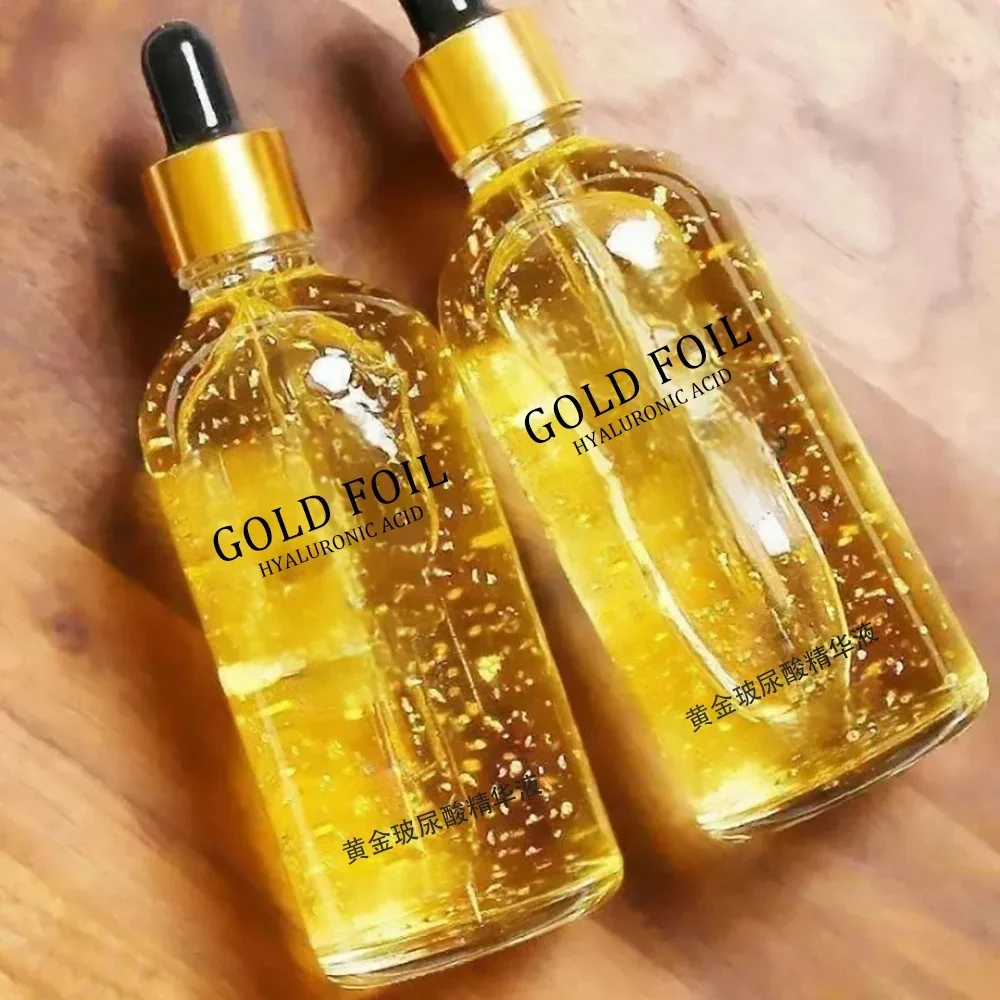

What should I do if I experience irritation?
Stop using the product immediately and rinse the area with cool water. Apply a gentle, fragrance‑free moisturizer to soothe the barrier. If symptoms persist beyond 24 hours, consult a dermatologist. The American Academy of Dermatology recommends seeking professional advice for any lasting reaction American Academy of Dermatology.
Quick Points to Remember
- Serums are treatment layers, not replacements for moisturizer or sunscreen.
- Choose formulas with clear botanical names and minimal added fragrance.
- Patch test new products for 48 hours before full use.
- Apply serum after cleansing, before moisturizer, and allow brief absorption.
- Even natural serums need safe preservatives to prevent microbial growth.
- Use once or twice daily, adjusting based on skin tolerance.
- Discontinue use and seek help if irritation develops.
Further Reading from Health Authorities
How this article was made
Researched and drafted with AI assistance, then screened by automated checks for originality, exaggerated claims and structure before publishing. No clinician reviewed it, and it is general information rather than medical advice. Read more at About us, or write to us if you spot an error.
Advertising disclosure: the links below are affiliate links. We may earn a commission if you use them, at no extra cost to you. This does not change the article's content, and it is not a medical recommendation.
Browse skincare basics on Amazon
Cleansers, moisturisers and sunscreens, as an Amazon category search. We have not tested individual products.


