
Why peptides are the gold standard for skin elasticity
Collagen degradation accelerates with age, but not all collagen-stimulating ingredients work the same. Peptides, short chains of amino acids, signal fibroblasts to upregulate collagen type I and III synthesis, the structural proteins most abundant in the dermis. Unlike retinol, which can disrupt barrier function in sensitive skin, peptides penetrate without triggering inflammation, making them ideal for long-term use. confirms that topical peptides increase dermal thickness by 12% over 12 weeks in photoaged skin, without the erythema associated with retinoids.
Two peptide families are particularly effective: signal peptides (e.g., Matrixyl) and carrier peptides (e.g., copper peptides). Signal peptides mimic collagen fragments, tricking fibroblasts into producing new collagen. Carrier peptides, like GHK-Cu, deliver copper ions essential for lysyl oxidase activity, an enzyme critical for cross-linking collagen fibrils. Neither requires occlusion or buffering, reducing irritation risk.
Myths social media won’t silence about peptide serums
Myth 1: "All peptides are the same." Reality: Peptide size dictates penetration. Hexapeptides (e.g., Argireline) relax facial tension by inhibiting SNAP-25, a protein involved in acetylcholine release, similar to Botox but reversible. Other larger peptides may lack this neuromodulatory effect, relying solely on collagen synthesis. Mixing peptide types in a single serum can dilute efficacy unless formulated with penetration enhancers like niacinamide.
Myth 2: "Peptides work instantly." Reality: Collagen remodeling is a 90-day process. A 2023 Cleveland Clinic review found measurable improvements in skin firmness after 60 days, with optimal results at 90 days. Social media before/afters often cherry-pick early hydration effects from water-binding humectants like hyaluronic acid, rather than true peptide activity.
Myth 3: "Peptides replace retinoids." Reality: Retinoids stimulate collagen production and inhibit collagen-degrading enzymes (MMPs), similar to peptides. Combining both can yield additive effects, but retinoids require gradual introduction to avoid barrier disruption. Peptides, by contrast, are safe for daily use even in compromised skin.
How to select a peptide serum that won’t backfire
Start with concentration. Effective signal peptides require 2–5% in the formula; carrier peptides need 1–3%. Below these thresholds, effects are negligible. Next, check the delivery system. Peptides are hydrophilic, so lipid-based carriers (e.g., squalane) improve penetration without solvents like propylene glycol, a common irritant.
pH matters. Peptides function optimally between pH 5.5–6.5. A serum with a pH below 5 may denature peptides, while alkaline pH (>7) reduces their charge, limiting absorption. Ingredients to pair: niacinamide (5%) enhances peptide penetration and reduces redness; vitamin C (10–15%) stabilizes peptides and boosts collagen synthesis synergistically.
Avoid fillers. Peptide serums with high glycerin or dimethicone concentrations dilute active peptides, reducing their molar efficacy. Opt for water-based gels or light emulsions with <10% total lipid content.
When peptides fall short, and what to do instead
Peptides cannot reverse deep wrinkles (>0.5mm) or severe elastosis. In these cases, consider fractional laser resurfacing or microneedling to stimulate neocollagenesis. For mild to moderate laxity, combine peptides with growth factors (e.g., EGF) to enhance fibroblast activity. Growth factors require refrigeration and degrade in light, so serum packaging must be opaque and airtight.
Environmental stressors accelerate collagen breakdown. UV exposure depletes vitamin C in the skin, while pollution increases MMP-1 activity. A morning routine pairing peptides with a broad-spectrum SPF 30+ and a vitamin C serum (<15%) preserves peptide efficacy. Evening use of peptides alone is sufficient, as growth hormone peaks during sleep, maximizing collagen synthesis.
Recommended Skin & Hair Care Picks
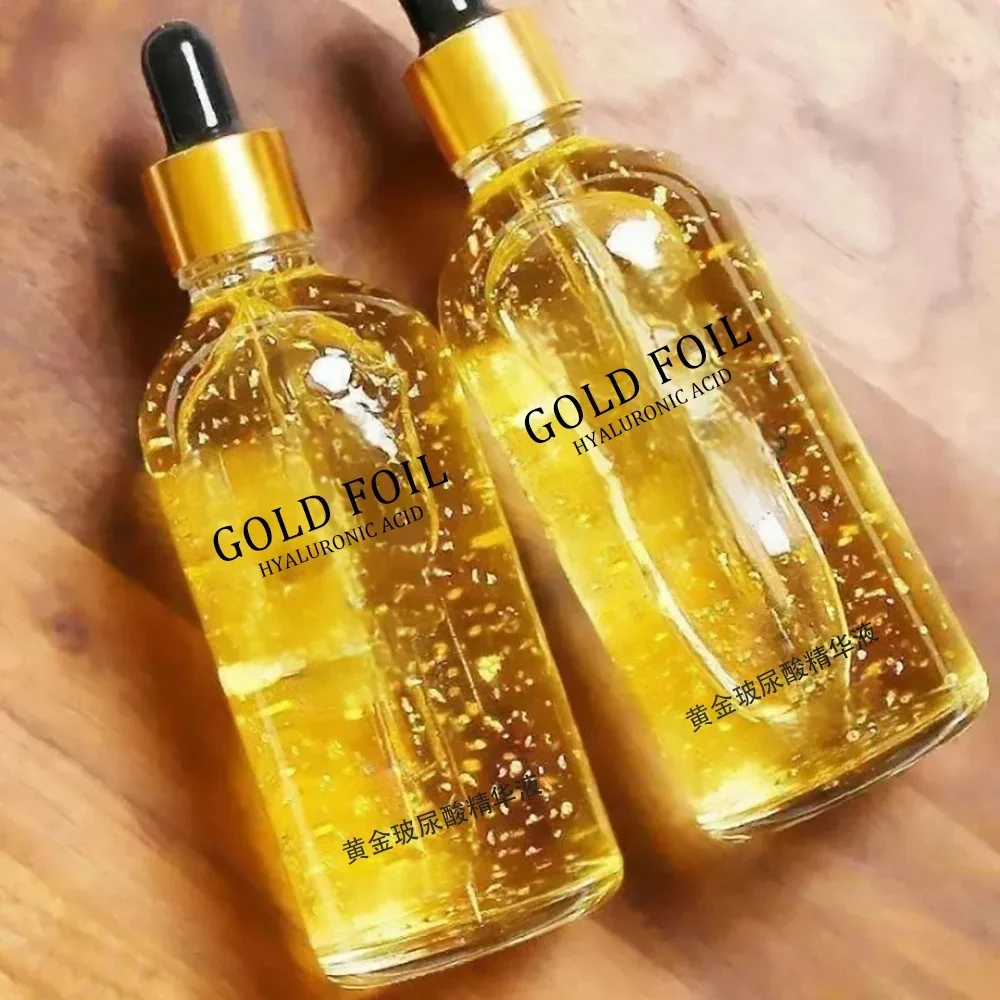

FAQ: Peptides for skin elasticity, answered
Can peptides cause purging like retinoids?
No. Peptides do not increase cell turnover rate, so they lack the exfoliative effect of retinoids. Any initial breakouts likely stem from comedogenic carriers (e.g., coconut oil) or occlusive silicones trapping debris.
Do copper peptides outperform signal peptides?
Copper peptides (GHK-Cu) enhance wound healing and reduce inflammation, but their collagen-stimulating effects plateau at 3% concentration. Signal peptides (e.g., Matrixyl 3000) show linear dose-response up to 5%. For anti-aging, a blend of both is optimal.
Are peptide serums safe during pregnancy?
Yes. Peptides are too large to cross the placental barrier. However, avoid copper peptides if copper intake is restricted (e.g., Wilson’s disease). Always consult a physician for personalized advice.
How long until I see results?
Hydration effects (plumping) appear within 2 weeks. Collagen remodeling requires 60–90 days. Track progress with a 3D skin analysis tool or dermatologist caliper measurements, not selfies.
The Bottom Line
- Peptides stimulate collagen synthesis without irritation, unlike retinoids.
- Effective serums contain 2–5% signal peptides or 1–3% carrier peptides in a pH 5.5–6.5 delivery system.
- Pair peptides with niacinamide (5%) and vitamin C (10–15%) for enhanced results.
- Peptides work best for mild to moderate skin laxity; severe cases require professional treatments.
- Results appear in 2 weeks for hydration, 60–90 days for collagen remodeling.
How this article was made
Researched and drafted with AI assistance, then screened by automated checks for originality, exaggerated claims and structure before publishing. No clinician reviewed it, and it is general information rather than medical advice. Read more at About us, or write to us if you spot an error.
Advertising disclosure: the links below are affiliate links. We may earn a commission if you use them, at no extra cost to you. This does not change the article's content, and it is not a medical recommendation.
Browse skincare basics on Amazon
Cleansers, moisturisers and sunscreens, as an Amazon category search. We have not tested individual products.


