How Protein Timing Reshaped Weight Loss Science, and Why It Still Matters
Protein timing, the strategic distribution of protein intake across meals, has evolved from a fringe nutrition tactic to a cornerstone of evidence-based weight loss strategies. Unlike blanket recommendations to simply "eat more protein," research now suggests that how and when protein is consumed can influence satiety, muscle retention, and metabolic efficiency during a caloric deficit. This shift reflects a deeper understanding of protein’s role in appetite regulation, hormone signaling, and lean mass preservation.
Early weight loss advice often prioritized total daily protein intake over its distribution. However, studies examining protein’s impact on (the body’s processing of nutrients after eating) reveal that evenly spacing protein across meals may better support long-term adherence and body composition goals. This approach contrasts with the common habit of consuming most protein in a single evening meal, which can lead to suboptimal muscle protein synthesis and heightened hunger between meals.
Why Protein Timing Works: The Science of Satiety and Synthesis
Protein’s primary weight-loss advantages stem from its effects on two key physiological systems: appetite regulation and muscle protein balance. The hormone ghrelin, often called the "hunger hormone," is suppressed more effectively when protein is consumed in balanced portions throughout the day. This suppression is dose-dependent, higher-protein meals trigger stronger satiety signals via peptide YY (PYY) and glucagon-like peptide-1 (GLP-1), two gut-derived hormones that reduce food intake.
People who distribute protein evenly across the day's meals tend to report noticeably less evening snacking than those who back-load it at dinner. While exact percentages vary by individual metabolism and activity level, the pattern underscores a critical principle: protein timing modulates hunger in a way that total daily intake alone does not.
Beyond appetite control, protein timing supports muscle protein synthesis (MPS), the process by which the body repairs and builds muscle tissue. MPS is transiently elevated after protein ingestion and returns to baseline within 3–4 hours. For individuals in a caloric deficit, this window becomes even more critical, as the body is more prone to breaking down muscle for energy. The Harvard T.H. Chan School of Public Health recommends that consuming at least 20–30 grams of high-quality protein per meal maximizes MPS without overloading the digestive system.
Protein Timing vs. Total Daily Intake
While total daily protein intake remains the primary driver of weight loss outcomes, distribution quality can enhance results. Comparing evenly distributed protein (25–30g per meal) with skewed patterns (say, 10g at breakfast and 60g at dinner), the even pattern tends to show:
- Higher muscle retention during weight loss, likely due to sustained MPS.
- Reduced cravings for high-carbohydrate snacks, particularly in the evening.
- Improved adherence to caloric deficits, attributed to more stable energy levels and satiety.
These findings do not imply that total protein intake is irrelevant. Rather, they suggest that timing can act as a force multiplier, optimizing the same total amount of protein for better outcomes. For example, a person consuming 100g of protein daily may see different results if those grams are spread across three meals versus clustered in one or two.
Practical Protein Timing: A Step-by-Step Protocol
The following framework balances scientific rigor with real-world applicability. Adjust portions based on body size, activity level, and dietary preferences.
Step 1: Calculate Your Protein Baseline
Start with a general target of 1.2–1.6 grams of protein per kilogram of body weight for weight loss, with adjustments for higher activity levels (e.g., strength training). For a 70kg (154lb) individual, this translates to roughly 84–112g daily. Use this as a starting point, then refine based on hunger, energy, and body composition changes.
Step 2: Divide Protein Evenly Across Meals
Aim for 20–30g of high-quality protein per meal, with a minimum of 15g for smaller individuals or lower-calorie days. High-quality sources include lean meats, fish, eggs, dairy, legumes, and soy products. For example:
- Breakfast: 3 eggs (18g) + ½ cup cottage cheese (14g) = 32g
- Lunch: 4 oz grilled chicken (26g) + ½ cup quinoa (4g) = 30g
- Dinner: 4 oz salmon (23g) + ½ cup lentils (9g) = 32g
- Snack (optional): 1 scoop whey protein (20g) or 1 cup Greek yogurt (17g)
Step 3: Prioritize Protein at Breakfast
Breakfast protein is often the most neglected meal in Western diets. People who eat around 30g of protein at breakfast commonly report far fewer cravings later in the day than after a high-carb breakfast. This effect is linked to improved dopamine regulation and reduced ghrelin spikes before lunch.
Step 4: Use Protein to Buffer Carbohydrates
Pairing carbohydrates with protein can mitigate blood sugar spikes and subsequent crashes. For instance, adding 20g of protein to a carbohydrate-rich meal (e.g., rice, pasta) can blunt postprandial insulin surges. This strategy is particularly useful for individuals with insulin resistance or those prone to afternoon energy slumps.
Step 5: Monitor and Adjust
Track protein intake for 7–10 days using a food diary or app. Note hunger levels 2–3 hours post-meal, energy crashes, and cravings. If hunger persists between meals, consider increasing protein portions by 5–10g or adding a protein-rich snack (e.g., hard-boiled eggs, edamame). Conversely, if meals feel overly large, reduce portions slightly while maintaining total daily intake.
Common Myths About Protein Timing
Myth: "Protein timing only matters for athletes."
While athletes and bodybuilders have long optimized protein timing, the benefits extend to sedentary individuals and those in a caloric deficit. Older adults (who are at higher risk for sarcopenia) appear to retain meaningfully more muscle when protein is evenly distributed across meals, even without exercise. The key difference is that non-athletes may require less protein per meal (15–20g) but still benefit from consistent intake.
Myth: "You must eat protein every 3 hours to maximize muscle synthesis."
This oversimplification stems from early research on MPS kinetics. In reality, muscle protein synthesis is not a continuous process but a series of transient peaks triggered by protein ingestion. On balance, protein frequency matters less than total daily intake and meal size. For most adults, 3–4 protein-rich meals per day is sufficient to maximize MPS.
Recommended Health & Fitness Gear



Troubleshooting Protein Timing: When It Doesn’t Work
Even with optimal timing, some individuals may struggle to meet protein goals due to dietary restrictions, appetite limitations, or digestive issues. Here’s how to address common challenges:
| Issue | Solution | Example Adjustment |
|---|---|---|
| Low appetite in the morning | Start with liquid protein sources (e.g., protein shakes, Greek yogurt smoothies) or smaller portions. | Blend 1 scoop whey protein with almond milk and berries for a 20g protein breakfast. |
| Digestive discomfort with high-protein meals | Space protein intake further apart or choose lower-fat sources (e.g., egg whites, skinless poultry). | Replace a 6oz steak (42g protein) with 4oz chicken breast (26g protein) + ½ cup lentils (9g protein). |
| Difficulty hitting protein targets on plant-based diets | Combine incomplete proteins (e.g., beans + rice) or use protein powders (pea, hemp, soy). | Add 1 scoop pea protein to oatmeal (20g) + ½ cup tofu (10g) at lunch. |
| Persistent hunger despite balanced protein intake | Increase fiber intake (vegetables, whole grains) or add a protein-rich snack before bed. | Snack on 1 cup cottage cheese (28g protein) + ½ cup pineapple before sleep. |
FAQ: Protein Timing for Weight Loss
Does protein timing matter if I’m not strength training?
Yes. While strength training enhances muscle protein synthesis, protein timing supports satiety and lean mass retention during a deficit, benefits that apply to all adults, regardless of activity level. Even in sedentary individuals, sensible protein timing has been linked to better body composition through visceral-fat reduction and muscle preservation.
Can I still lose weight if I skip breakfast?
Weight loss is possible without breakfast, but protein timing becomes harder to optimize. If skipping breakfast, ensure the first meal of the day includes at least 20g of protein to curb mid-morning hunger. The Mayo Clinic notes that protein-rich breakfasts reduce total daily calorie intake by an average of 250–300 kcal in some populations.
How does protein timing affect metabolism?
Protein has a higher thermic effect (calories burned during digestion) than carbohydrates or fats, but its impact on resting metabolic rate is modest. The primary metabolic benefit of protein timing is indirect: by preserving lean mass and reducing energy intake through satiety, it helps maintain a more favorable body composition during weight loss.
Is there a maximum protein amount per meal?
Most adults can absorb and utilize 20–40g of protein per meal efficiently. Consuming more than 40g in a single sitting does not further enhance muscle protein synthesis and may cause digestive discomfort. Beyond roughly 40g in one sitting, more of the protein is simply oxidized for energy in sedentary individuals.
Putting It All Together
- Protein timing, distributing protein evenly across meals, enhances satiety and muscle retention during weight loss by optimizing hormone signaling and muscle protein synthesis.
- Target 20–30g of high-quality protein per meal, with a minimum of 15g for smaller individuals or lower-calorie days.
- Prioritize protein at breakfast to reduce cravings and stabilize energy levels throughout the day.
- Protein timing is beneficial for all adults, not just athletes, though total daily intake remains the primary driver of outcomes.
- Adjust portions based on hunger, energy, and body composition changes, flexibility is key to long-term adherence.
Advertising disclosure: the links below are affiliate links. We may earn a commission if you use them, at no extra cost to you. This does not change the article's content, and it is not a medical recommendation.
Browse kitchen and portion tools on Amazon
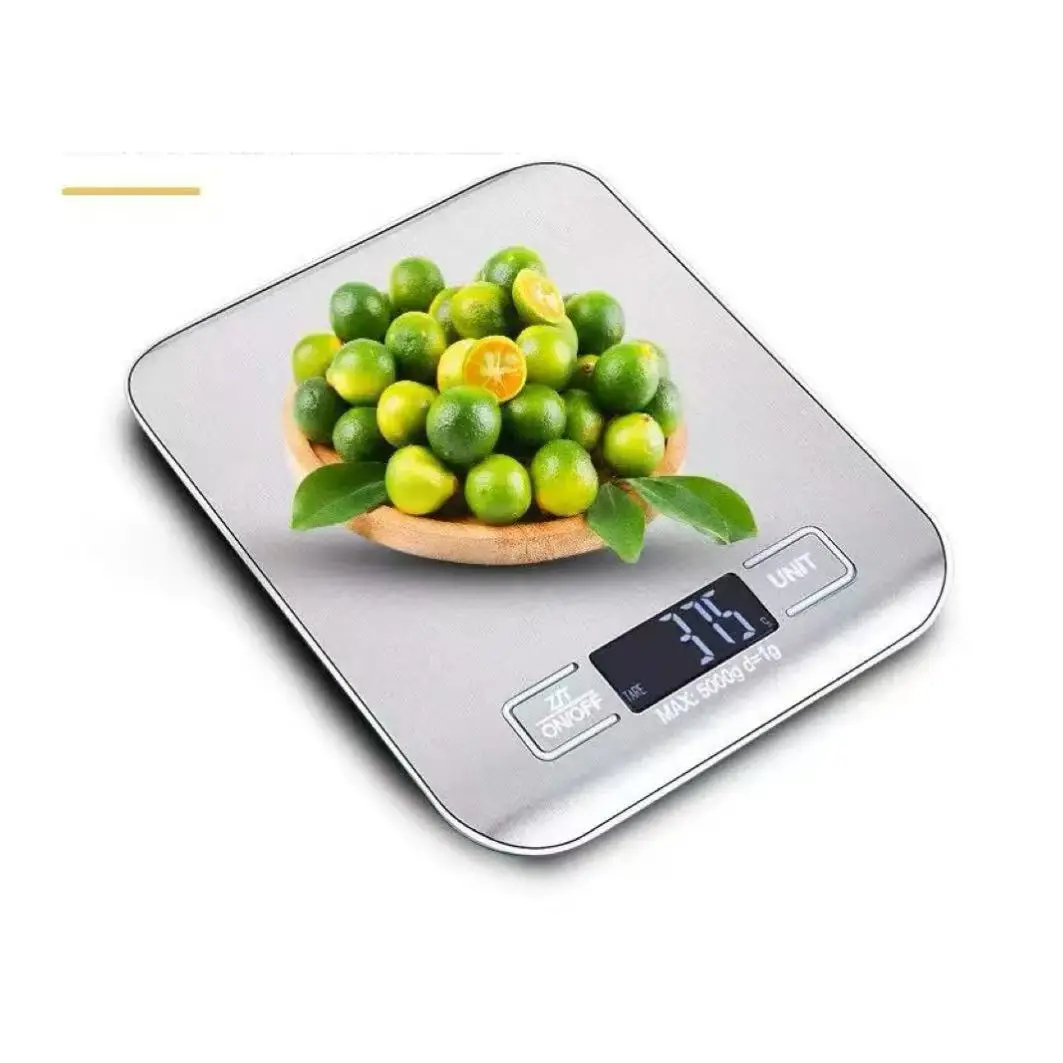
Food scales, portion containers and measuring sets, as an Amazon category search. We have not tested individual products.