The Science of Satiety: How to Choose Snacks That Keep You Full and Energized
Snacking often gets a bad rap in weight management circles, but the right choices can stabilize energy, curb cravings, and support metabolic health. The key lies not in eliminating snacks but in selecting those that align with the body’s natural hunger and satiety signals. Research consistently shows that snacks rich in protein, fiber, and healthy fats, while moderate in carbohydrates, help regulate appetite by modulating hormones like ghrelin and leptin, which govern hunger and fullness.
Contrary to popular belief, snacking itself isn’t the enemy of weight loss. A Harvard T.H. Chan School of Public Health analysis emphasizes that the quality of snacks matters far more than their frequency. Highly processed, hyper-palatable foods, even in small portions, can disrupt satiety cues and trigger overeating later. The goal is to prioritize snacks that provide sustained energy without spiking blood sugar or leaving you prone to rebound hunger.
What Makes a Snack Truly Satisfying?
Three macronutrients play distinct roles in satiety:
- Protein slows gastric emptying, increases thermogenesis (the energy cost of digestion), and supports muscle maintenance. Protein-rich snacks can reduce subsequent calorie intake by up to 100 calories over the next few hours.
- Fiber adds bulk to meals, delays stomach emptying, and feeds the gut microbiome, all of which contribute to prolonged fullness. Soluble fiber, in particular, forms a gel-like substance that slows digestion and stabilizes glucose levels.
- Healthy fats provide concentrated calories and promote the release of satiety hormones like cholecystokinin (CCK). While fats are calorie-dense, they also enhance flavor and texture, making snacks more satisfying without excessive volume.
Carbohydrates aren’t inherently problematic, but their impact depends on fiber content and glycemic response. Refined carbs, even in snack form, can lead to rapid energy crashes and renewed hunger within an hour. The Mayo Clinic notes that pairing carbs with protein or fat can mitigate this effect, creating a more balanced snack.
Top Snacks for Fullness and Energy
Below are snacks that meet the criteria for satiety, energy stability, and nutritional density. Portion sizes are approximate and should be adjusted based on individual needs.
Protein-Packed Options
- Greek yogurt with berries and chia seeds
Unsweetened Greek yogurt (200g) provides ~20g protein and minimal added sugar. Top with ½ cup mixed berries (fiber) and 1 tsp chia seeds (omega-3s and fiber) for a 200-calorie snack that keeps blood sugar stable. - Hard-boiled eggs with avocado slices
Two eggs deliver ~12g protein and healthy fats from the yolk. Pair with ¼ avocado for an additional 6g of fat and fiber, rounding out to ~250 calories. - Cottage cheese with cucumber and smoked salmon
½ cup cottage cheese offers ~14g protein and 2g fiber. Add 2 oz smoked salmon for omega-3s and ½ cup sliced cucumber for crunch, totaling ~220 calories.
Fiber-Rich and Low-Glycemic Picks
- Hummus with vegetable sticks
¼ cup hummus provides ~7g protein and 4g fiber. Pair with 1 cup of sliced bell peppers, carrots, or celery for a 180-calorie snack that’s rich in vitamins A and C. - Roasted chickpeas
A ¼ cup serving of roasted chickpeas offers ~6g protein and 6g fiber. Opt for lightly salted or spiced versions to avoid excess sodium. Each serving clocks in at ~120 calories. - Apple slices with almond butter
One medium apple (fiber) with 1 tbsp almond butter (healthy fats) delivers ~160 calories, 4g protein, and 4g fiber. The combination of natural sugars and fat helps prevent energy dips.
Balanced, Energy-Sustaining Combos
- Edamame with sea salt
½ cup shelled edamame provides ~9g protein and 4g fiber for ~120 calories. The plant-based protein and magnesium support muscle function and energy metabolism. - Turkey and cheese roll-ups
3 slices of turkey breast (9g protein) wrapped around 1 slice of cheese (6g protein) and a few spinach leaves. Total: ~150 calories with a balance of protein, fat, and micronutrients. - Quinoa salad bites
Mix cooked quinoa (4g protein, 2g fiber per ½ cup) with diced tomatoes, feta, and a drizzle of olive oil. Serve in endive leaves or cucumber rounds for a 160-calorie, nutrient-dense snack.
Myth: All Snacks Lead to Weight Gain
This oversimplification ignores the role of snack timing, composition, and individual metabolism. Strategic snacking, particularly in the afternoon, can prevent overeating at dinner by stabilizing glucose levels. The issue isn’t snacking per se but the types of foods chosen.
Another misconception is that snacks must be low-calorie to be healthy. Caloric density matters less than nutrient density. A 300-calorie snack of nuts and cheese can be more satiating, and thus more supportive of weight management, than a 100-calorie pack of pretzels, which may leave you hungry within the hour.
Recommended Health & Fitness Gear



When Snacks Work Against You
Not all snacks are created equal. Highly processed options, like chips, crackers, or protein bars with added sugars, can trigger the brain’s reward system, leading to overconsumption. Even “healthy” snacks like granola or trail mix can be calorie bombs if portion sizes aren’t controlled. The Mayo Clinic advises checking labels for added sugars and hydrogenated oils, which undermine satiety despite marketing claims.
Snacking in a distracted state, while working or scrolling, can also reduce awareness of fullness cues. Mindful eating practices, such as pausing between bites and chewing thoroughly, enhance satiety regardless of the snack’s nutritional profile.
FAQ: Common Questions About Healthy Snacking
Is it better to snack between meals or avoid snacks entirely for weight loss?
There’s no one-size-fits-all answer. For some, structured snacks prevent blood sugar crashes and reduce binge eating later. For others, longer gaps between meals may support fat oxidation. The Harvard Healthy Eating Plate suggests listening to hunger cues rather than adhering to rigid rules. If snacking, prioritize whole foods over processed options.
Do high-protein snacks always lead to better satiety?
Protein is a powerful satiety tool, but its effectiveness depends on total calorie load and the presence of other nutrients. A 30g protein bar may not be as satisfying as 20g of protein from Greek yogurt paired with fiber-rich fruit, due to differences in food matrix and digestion rate. Protein’s benefits are maximized when combined with fiber or fat.
Can snacks help with energy crashes in the afternoon?
Yes, but the snack must address the root cause of the crash. If it’s due to low blood sugar, a snack with complex carbs and protein (like apple with almond butter) can restore energy. If fatigue stems from dehydration or poor sleep, a snack alone won’t suffice. The Mayo Clinic notes that pairing snacks with water and addressing sleep hygiene often yields better results than snacking alone.
Are store-bought protein bars a good snack option?
Many commercial protein bars are glorified candy bars, packed with added sugars and artificial ingredients. Opt for bars with at least 3g of fiber and 10g of protein per serving, minimal added sugars (<5g), and recognizable ingredients. Homemade options, like a smoothie with spinach, banana, protein powder, and almond milk, offer more control over nutritional quality.
Key Takeaways for Smart Snacking
- Prioritize protein and fiber to extend fullness and stabilize energy.
- Balance macros, pair carbs with protein or fat to slow digestion and prevent spikes.
- Avoid processed snacks that rely on added sugars or refined starches to manipulate hunger.
- Portion mindfully, even healthy snacks can contribute to excess calories if overeaten.
- Time snacks strategically, afternoon snacks may curb evening overeating, but individual needs vary.
Snacking isn’t a weight-loss shortcut, but the right choices can make it a sustainable part of a balanced diet. Focus on whole foods, mindful eating, and metabolic stability, not just calorie counts, and you’ll support both fullness and long-term health.
For the fuller picture, see High-Protein Snacks That Keep You Full for Hours.
Advertising disclosure: the links below are affiliate links. We may earn a commission if you use them, at no extra cost to you. This does not change the article's content, and it is not a medical recommendation.
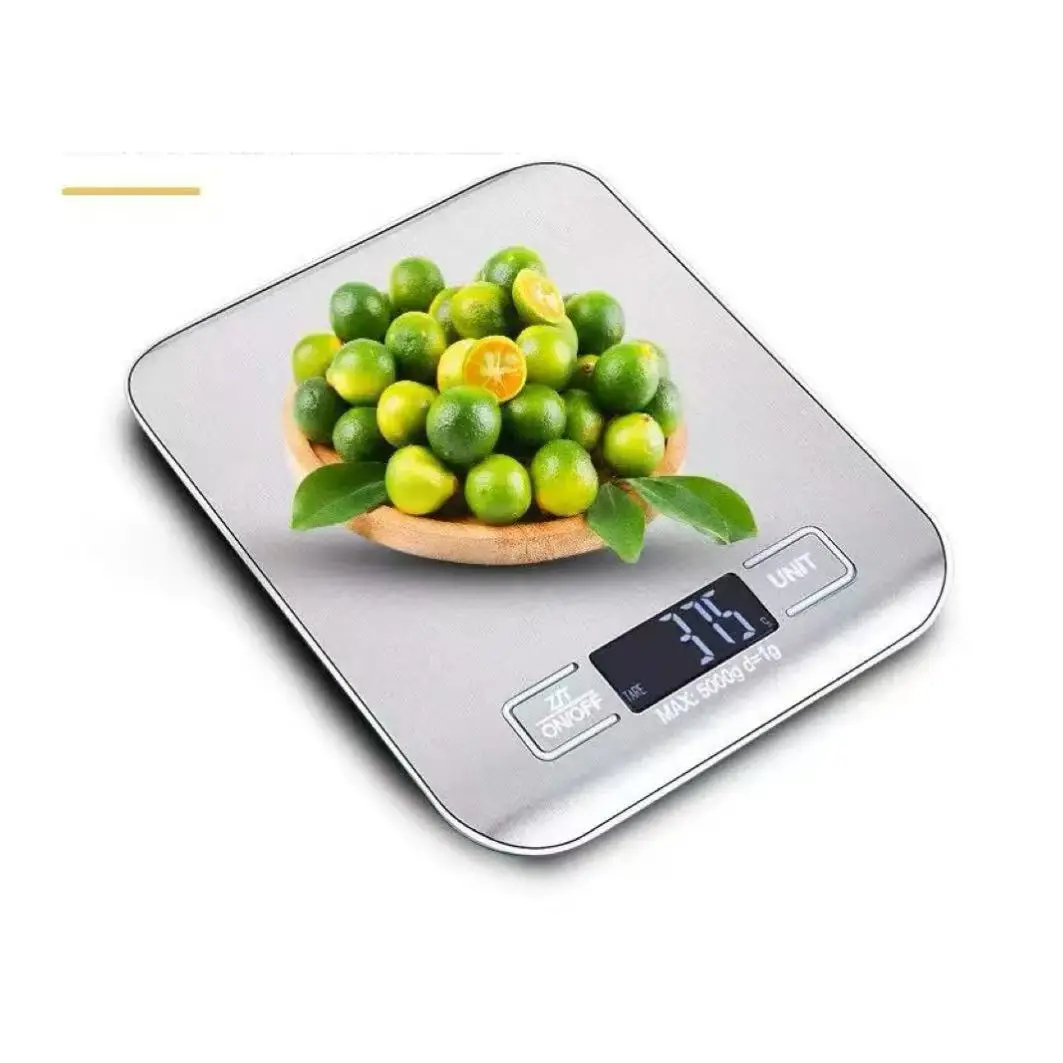
Browse kitchen and portion tools on Amazon
Food scales, portion containers and measuring sets, as an Amazon category search. We have not tested individual products.