
Does Warm Lemon Water Really Melt Belly Fat? A Dietitian’s Take
The idea that warm lemon water can directly reduce belly fat has circulated for years, often framed as a simple, natural solution to a complex problem. While hydration and nutrient-dense foods play a role in weight management, the claim that this specific ritual alone can "melt" fat requires scrutiny. To separate fact from fiction, this article looks at what is actually known about hydration, metabolism, and fat loss.
What emerges is a nuanced picture: warm lemon water may offer modest benefits for digestion and hydration, but it is not a standalone fat-loss strategy. Below, we break down the evidence, clarify common misconceptions, and provide a practical framework for integrating this habit into a broader, realistic approach to health.
What the Research Says About Warm Lemon Water and Weight Loss
No clinical study has demonstrated that warm lemon water directly causes fat loss, particularly in the abdominal area. However, research does support the role of hydration and certain nutrients in supporting metabolic health and satiety.
Adequate hydration is essential for optimal metabolic function, including the efficient oxidation of fat during physical activity. The review notes that even mild dehydration can impair exercise performance and reduce energy expenditure, indirectly affecting weight management. While this does not isolate warm lemon water as a catalyst, it underscores the importance of consistent hydration.
Lemons provide vitamin C, a nutrient involved in the synthesis of carnitine, a compound that helps transport fatty acids into mitochondria for energy production. However, the amount of vitamin C in a typical warm lemon water serving (about 1/2 lemon) is modest, approximately 15-20 mg, or 17-22% of the daily value. This is unlikely to significantly alter fat metabolism on its own. The Harvard T.H. Chan School of Public Health emphasizes that while vitamin C is vital for immune function and collagen production, its role in fat loss is secondary to overall dietary patterns and energy balance.
The ritual of drinking warm lemon water may also promote satiety. People who consumed water before meals reported reduced hunger, though the effect was not specific to warm lemon water (Physiology & Behavior, 2025). The placebo of a structured morning routine could further enhance adherence to healthier habits, a psychological factor often overlooked in weight management discussions.
Why Belly Fat Is More Than Just a Hydration Problem
Belly fat, or visceral adipose tissue, is influenced by a combination of genetics, hormones, diet, stress, and physical activity, not by a single beverage. The Mayo Clinic notes that visceral fat is metabolically active and linked to increased risk of metabolic syndrome, but its reduction depends on sustained caloric deficit, not isolated dietary tweaks.
Stress and sleep disruption can indirectly contribute to belly fat accumulation by increasing cortisol levels, which may drive appetite and cravings for high-calorie foods. However, cortisol’s effect on fat storage is context-dependent; it does not directly "create" belly fat without an energy surplus. Hydration, including warm lemon water, may support stress resilience by improving sleep quality and reducing water retention, but these are ancillary benefits.
Exercise remains the most reliable way to reduce visceral fat. Both aerobic and resistance training reliably reduce visceral fat, with combined approaches yielding the greatest benefits. Strength training, in particular, helps preserve lean muscle mass during weight loss, which is critical for maintaining metabolic rate.
Myth Buster: "Warm Lemon Water Detoxes the Body"
One persistent claim is that warm lemon water "detoxifies" the body by stimulating the liver or cleansing the digestive tract. This is a misconception. The human body has its own detoxification systems, primarily the liver, kidneys, and skin, which do not require lemon water to function optimally.
The liver processes toxins through enzymes like cytochrome P450, a process that is not significantly enhanced by lemon water. The idea of "detox" teas or waters often stems from marketing, not biochemistry. As the Harvard Nutrition Source clarifies, the best way to support liver health is through a balanced diet rich in fiber, antioxidants, and lean protein, not through trendy beverages.
Additionally, warm lemon water is mildly acidic, but the body tightly regulates blood pH. Drinking lemon water does not alter systemic pH, contrary to popular belief. Any perceived "detox" effect is likely due to increased water intake and the placebo of a mindful routine.
How to Integrate Warm Lemon Water Without Overhyping Its Benefits
While warm lemon water is not a fat-loss miracle, it can be a useful component of a health-conscious routine when approached realistically. Below is a step-by-step way to incorporate it effectively, along with troubleshooting tips for common challenges.
Step by Step
- Preparation: Squeeze 1/2 to 1 fresh lemon into 8–12 oz of warm (not boiling) water. Avoid adding sugar or honey, which can negate potential benefits.
- Timing: Consume first thing in the morning, ideally 15–30 minutes before breakfast. This aligns with the body’s natural circadian rhythm and may support digestion.
- Hydration Balance: Use warm lemon water as a supplement to, not a replacement for, plain water throughout the day. Aim for at least half your body weight (lbs) in ounces of total fluids, adjusted for activity level.
- Dietary combination: Pair the habit with a protein-rich breakfast (e.g., eggs, Greek yogurt) to enhance satiety and reduce subsequent calorie intake.
- Activity Integration: Follow with 10–15 minutes of light movement (e.g., stretching, walking) to stimulate digestion and metabolism.
Troubleshooting Common Issues
- Tooth Enamel Erosion: Rinse your mouth with plain water after drinking. Consider using a straw to minimize contact with teeth.
- Acid Reflux: If you experience heartburn, dilute the lemon further or consume it with a small snack (e.g., a piece of whole-grain toast).
- Digestive Sensitivity: Start with 1/4 lemon and gradually increase to assess tolerance. Warm ginger tea may be a gentler alternative.
- Weight Loss Plateaus: If you’re not seeing progress, reassess total calorie intake, sleep quality, and stress levels. Warm lemon water alone will not override these factors.
7-Day Action Plan: Building a Sustainable Routine
This plan balances warm lemon water with evidence-based habits for gradual, sustainable change. Adjust portions and intensity based on individual needs.
| Day | Morning Routine | Hydration Goal | Dietary Focus | Movement |
|---|---|---|---|---|
| 1–3 | Warm lemon water + 10-min stretch | 64 oz total fluids | 30g protein at breakfast | 20-min walk |
| 4–5 | Warm lemon water + 5-min meditation | 72 oz total fluids | Increase fiber (vegetables, legumes) | 30-min moderate activity |
| 6–7 | Warm lemon water + 15-min yoga | 80 oz total fluids | Balanced macros (40% carbs, 30% protein, 30% fat) | 45-min strength + cardio |
Note: Adjust fluid goals based on body size, climate, and activity. For example, athletes or individuals in hot climates may require up to 100 oz daily.
What Reduces Belly Fat in Practice
If the goal is reducing visceral fat, focus on the fundamentals:
- Energy Balance: A modest caloric deficit (300–500 kcal/day) is the primary driver of fat loss, per the Mayo Clinic’s guidelines.
- Protein Intake: Prioritize 1.2–1.6g of protein per kg of body weight to preserve muscle mass and support satiety.
- Fiber-Rich Foods: Aim for 25–38g of fiber daily to regulate appetite and improve gut health.
- Strength Training: Incorporate 2–3 full-body resistance sessions weekly to maintain metabolically active lean tissue.
- Sleep & Stress Management: Target 7–9 hours of sleep and practice mindfulness or deep breathing to mitigate cortisol-driven cravings.
FAQ: Common Questions About Warm Lemon Water and Weight Loss
Q: Can warm lemon water replace morning coffee?
A: It can serve as a hydrating alternative, but caffeine’s stimulatory effects on metabolism and focus are not replicated by lemon water. If you enjoy coffee, moderate intake (up to 400mg caffeine/day) is generally safe for most adults.
Q: How long does it take to see results from this habit?
A: Any effects on digestion or hydration are immediate, but visible changes in body composition require weeks to months of consistent, holistic habits. Track progress via waist circumference, energy levels, and strength improvements, not scale weight alone.
Q: Is bottled lemon juice as effective as fresh?
A: Fresh lemon juice contains more bioavailable vitamin C and antioxidants, but bottled juice (without additives) can be a convenient alternative. Choose 100% pure lemon juice and dilute as needed.
Q: Can warm lemon water help with bloating?
A: It may reduce bloating caused by dehydration or mild constipation by stimulating bowel motility. However, persistent bloating warrants evaluation for food intolerances or digestive disorders.
The Bottom Line
- Hydration matters: Warm lemon water can contribute to daily fluid intake, which supports metabolic function and exercise performance.
- Lemons provide minimal fat-loss benefits: Their vitamin C content is modest and unlikely to directly alter fat metabolism.
- Belly fat reduction requires a deficit: Sustainable fat loss depends on energy balance, protein intake, strength training, and sleep, not a single beverage.
- Mindset over magic: Use warm lemon water as a mindful ritual to anchor healthier habits, not as a shortcut to fat loss.
- Context is critical: Individual responses vary; adjust based on tolerance, preferences, and overall dietary patterns.
In summary, warm lemon water is a harmless, potentially beneficial habit when integrated into a balanced routine, but it is not a standalone solution for belly fat loss. For meaningful, lasting change, focus on the fundamentals of nutrition, movement, and recovery, and view this ritual as one small piece of a larger puzzle.
Advertising disclosure: the links below are affiliate links. We may earn a commission if you use them, at no extra cost to you. This does not change the article's content, and it is not a medical recommendation.
Recommended Health & Fitness Gear

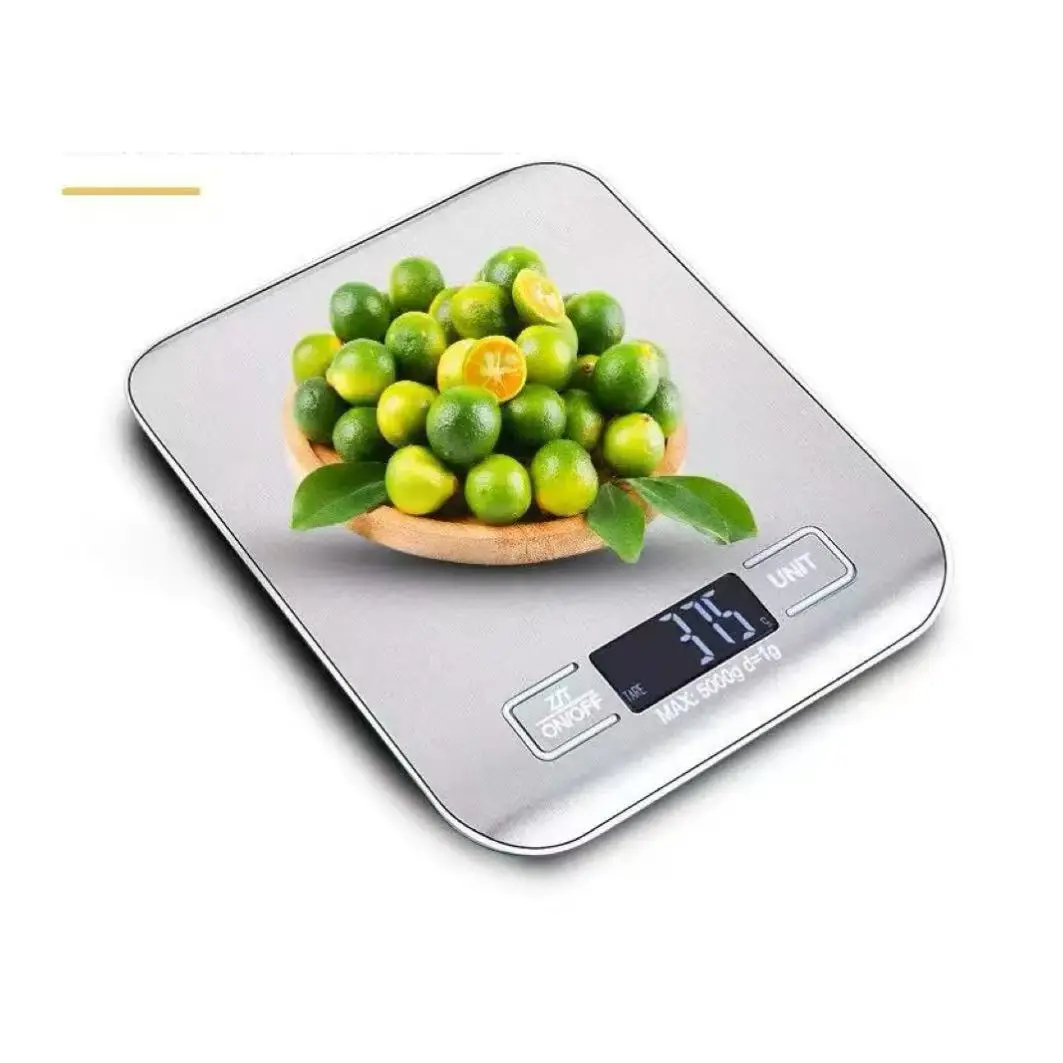


Browse kitchen and portion tools on Amazon
Food scales, portion containers and measuring sets, as an Amazon category search. We have not tested individual products.


