Portion control isn’t about starving yourself, here’s what it actually means for sustainable weight loss
Portion control has long been oversimplified as a tactic to eat less, often framed as deprivation or punishment. In reality, it’s a nuanced strategy rooted in understanding hunger cues, metabolic needs, and behavioral patterns. Mindful eating, paired with accurate portion awareness, can support weight management without the extremes of restrictive dieting. The goal isn’t to shrink meals arbitrarily but to align intake with energy expenditure while preserving nutritional quality.
Contrary to popular belief, portion control doesn’t require meticulous calorie counting or rigid meal plans. Instead, it emphasizes recognizing satiety signals and avoiding the pitfalls of oversized servings, which are now standard in restaurant meals and packaged foods. Environmental cues, such as plate size and food packaging, often override internal appetite regulation, leading to unintentional overeating.
Why portion control works better than crash dieting
Crash diets often trigger metabolic slowdowns and rebound weight gain due to their unsustainable nature. Portion control, when implemented thoughtfully, avoids these pitfalls by fostering long-term habits. The Harvard Healthy Eating Plate recommends balancing macronutrients, half the plate filled with vegetables, a quarter with lean protein, and a quarter with whole grains, to naturally regulate portions without strict tracking.
Additionally, portion control addresses the biological drivers of hunger. Hormones like ghrelin (which stimulates appetite) and leptin (which signals fullness) are influenced by meal timing and composition. Eating balanced portions at regular intervals helps stabilize these hormones, reducing the likelihood of overeating later in the day. The Mayo Clinic notes that slow, mindful eating allows the brain to register satiety before excess calories are consumed (Mayo Clinic Nutrition Guide).
How to measure portions without a food scale
For those who prefer not to weigh food, visual cues can approximate portion sizes effectively. The following guidelines align with recommendations from nutrition experts:
- Protein: A serving should resemble the size and thickness of a deck of cards (3–4 oz cooked).
- Carbohydrates: A cupped hand’s worth of cooked grains or starchy vegetables (½ cup) is a reasonable portion.
- Fats: A thumb-sized portion of oils, nuts, or nut butters (1 tbsp) provides healthy fats without excess calories.
- Vegetables: A fist-sized portion (1 cup raw or ½ cup cooked) fills half the plate for fiber and volume.
These approximations work because they account for the body’s need for fiber and protein to promote satiety. Research in Nutrients confirms that high-volume, low-calorie foods like vegetables help regulate appetite by slowing digestion and enhancing gastric fullness.
Common myths about portion control
Myth 1: Smaller portions mean fewer nutrients. In truth, nutrient density often improves with controlled portions. For example, a 3-oz serving of salmon provides the same omega-3s as a larger portion, without the added calories from excess fat. The Harvard Healthy Eating Plate emphasizes that portion control enhances nutrient absorption by preventing overconsumption of energy-dense, nutrient-poor foods (Harvard T.H. Chan School of Public Health).
Myth 2: You must eliminate favorite foods entirely. Deprivation often backfires, leading to cravings and binge episodes. Instead, portion control allows for flexibility. A small serving of dark chocolate or a single slice of pizza can fit into a balanced diet if the rest of the meal prioritizes vegetables, lean protein, and whole grains.
Myth 3: Portion control is only for weight loss. Even individuals at a stable weight benefit from mindful portioning to prevent gradual weight creep over time. The Mayo Clinic notes that subtle increases in portion sizes contribute to long-term weight gain, a phenomenon known as "portion distortion" (Mayo Clinic Nutrition Guide).
Practical strategies to master portion control
Implementing portion control doesn’t require perfection, just consistency. Start with these evidence-based tactics:
- Use smaller plates and bowls. People served themselves 30% more food when using larger dishware, suggesting that visual cues significantly influence intake.
- Pre-portion snacks. Dividing snacks into single-serving containers reduces mindless eating, particularly for calorie-dense foods like nuts or crackers.
- Eat slowly and without distractions. The brain takes about 20 minutes to register fullness. Slowing down during meals allows for better appetite regulation.
- Plan meals in advance. Preparing balanced meals at home reduces reliance on oversized restaurant portions, which often exceed recommended serving sizes by 2–3 times.
- Check labels for serving sizes. Packaged foods frequently list unrealistic serving sizes, leading to unintentional overconsumption. Compare labels to standard portion guidelines.
When portion control isn’t enough
While portion control is a powerful tool, it’s not a standalone solution for everyone. Individuals with metabolic conditions, eating disorders, or specific dietary needs may require tailored approaches. Consulting a registered dietitian can provide personalized guidance. The Mayo Clinic emphasizes that sustainable weight management often involves a combination of portion control, physical activity, and behavioral strategies (Mayo Clinic Nutrition Guide).
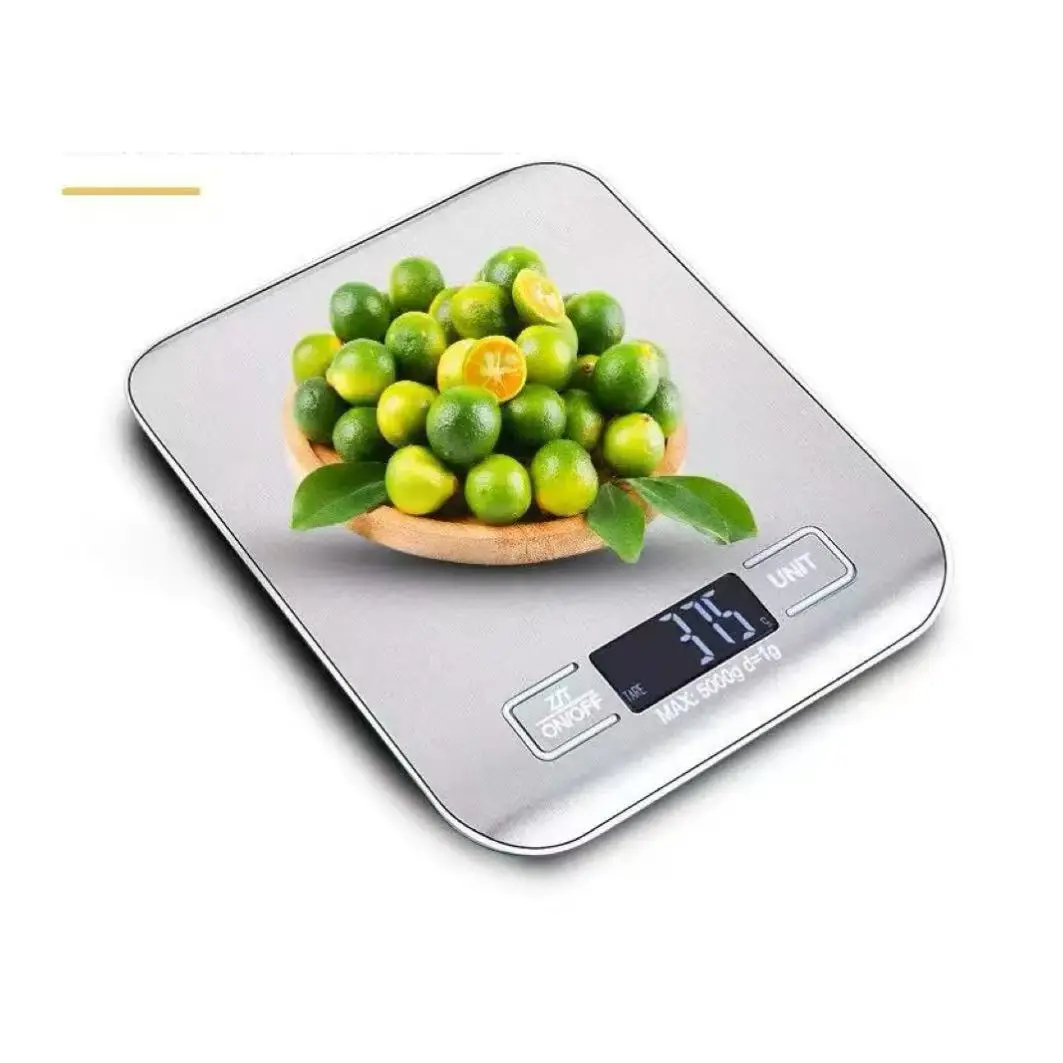
Recommended Health & Fitness Gear



Frequently asked questions
Does portion control work for people with insulin resistance?
Yes, but with adjustments. Prioritizing high-fiber, low-glycemic foods alongside controlled portions can help stabilize blood sugar. The Harvard Healthy Eating Plate recommends pairing carbohydrates with protein or healthy fats to slow glucose absorption (Harvard T.H. Chan School of Public Health).
Can I eat out and still practice portion control?
Absolutely. Opt for restaurants that offer smaller plates or shareable dishes. Alternatively, immediately portion out half the meal to take home, as restaurant servings often exceed nutritional needs.
How do I know if I’m eating the right portion size?
Start by comparing your plate to the Harvard Healthy Eating Plate model, which divides meals into balanced proportions. If you feel overly full or sluggish after eating, your portions may be too large. Conversely, if you’re hungry within an hour or two, your meal may lack sufficient protein or fiber.
Is it normal to feel deprived when reducing portions?
Initially, yes. The brain adapts to larger portions over time, so reducing them may feel unsatisfying at first. Gradually decreasing portion sizes while increasing nutrient-dense foods can help the transition feel more natural.
A Quick Recap
- Portion control is about aligning food intake with energy needs, not deprivation.
- Visual cues and mindful eating help regulate portions without strict calorie counting.
- Balanced meals, half vegetables, a quarter protein, a quarter whole grains, support satiety and nutrient intake.
- Environmental factors, like plate size and food packaging, significantly influence portion sizes.
- Portion control is sustainable when combined with behavioral strategies, such as slow eating and meal planning.
You may also find Portion size without counting on willpower useful.
Advertising disclosure: the links below are affiliate links. We may earn a commission if you use them, at no extra cost to you. This does not change the article's content, and it is not a medical recommendation.
Browse kitchen and portion tools on Amazon
Food scales, portion containers and measuring sets, as an Amazon category search. We have not tested individual products.