
Vitamin C vs. Niacinamide for Stubborn Dark Spots
Hyperpigmentation, whether from acne scars, melasma, or sun damage, can feel like a stubborn guest that overstays its welcome. The skincare aisle offers two heavyweight contenders for fading these marks: vitamin C and niacinamide. Both are backed by science, but their mechanisms, strengths, and limitations differ. Understanding these nuances is key to choosing the right approach for your skin’s needs.
This guide breaks down the evidence, compares their efficacy, and provides a practical plan to address dark spots without falling for marketing hype. Whether you’re dealing with post-inflammatory hyperpigmentation (PIH) or hormonal melasma, the right strategy starts with clarity on how these ingredients work.
How Vitamin C Fights Dark Spots
Vitamin C (L-ascorbic acid) is a potent antioxidant that interferes with melanin production at multiple stages. It inhibits tyrosinase, the enzyme responsible for converting tyrosine into melanin, and accelerates the breakdown of existing pigment through its exfoliating properties. Topical vitamin C can reduce hyperpigmentation by up to 50% over 12 weeks when used consistently at concentrations of 10–20%.
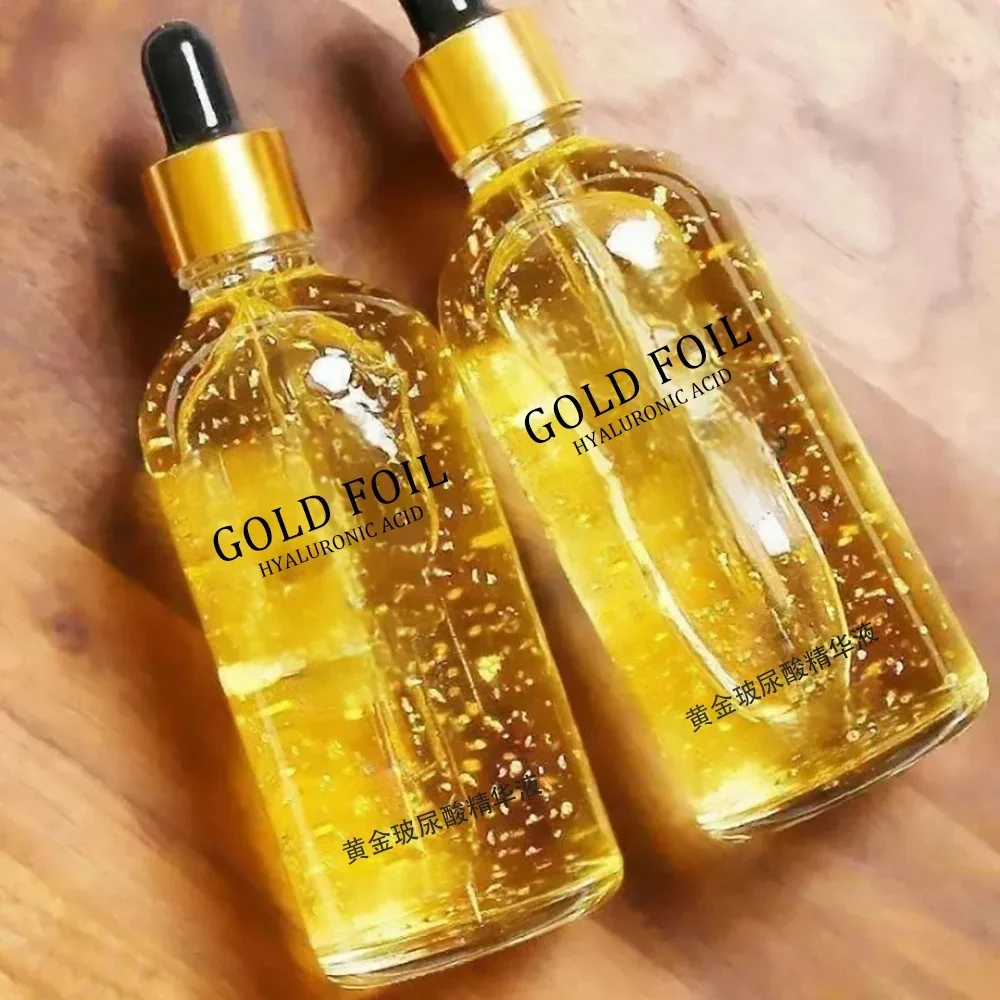
Its brightening effects are most pronounced in sun-damaged skin, where it also stimulates collagen production to improve texture. However, vitamin C is notoriously unstable, degrading quickly when exposed to light or air. For maximum potency, opt for serums in dark glass bottles with air-restrictive droppers, and store them in cool, dark places.
Common pitfalls include using vitamin C in the wrong formulation (e.g., creams with low concentrations) or combining it with unstable ingredients like copper peptides, which can accelerate oxidation. Pairing it with ferulic acid or vitamin E enhances stability and efficacy, as these compounds work synergistically to extend vitamin C’s shelf life and antioxidant activity.
How Niacinamide Targets Stubborn Pigment
Niacinamide, a form of vitamin B3, tackles hyperpigmentation by reducing melanin transfer between skin cells. Unlike vitamin C, it doesn’t directly inhibit tyrosinase but instead disrupts the pathway that delivers pigment to the skin’s surface. Niacinamide at 2–5% concentrations can fade dark spots by 35–50% over 8–12 weeks, particularly in cases of melasma and PIH.
Its benefits extend beyond brightening: niacinamide strengthens the skin barrier, reduces redness, and regulates sebum production, making it ideal for acne-prone or sensitive skin. Unlike vitamin C, niacinamide is photostable and well-tolerated in most formulations, including moisturizers and cleansers. This versatility allows it to be used both morning and night, though pairing it with sunscreen during the day is essential for preventing further pigmentation.
One of niacinamide’s standout advantages is its compatibility with other actives. It can be layered with retinols, acids, or vitamin C without irritation, provided the skin is acclimated gradually. For those with rosacea or compromised barriers, niacinamide’s anti-inflammatory properties make it a safer starting point before introducing stronger brightening agents.
Head-to-Head: Vitamin C vs. Niacinamide for Dark Spots
To determine which ingredient is best for your concerns, consider the following factors:
- Skin type: Vitamin C is ideal for normal to oily skin that tolerates acids well, while niacinamide suits dry, sensitive, or acne-prone skin due to its barrier-repairing properties.
- Pigmentation type: Vitamin C excels at fading sun spots and general dullness, whereas niacinamide is more effective for melasma and PIH, where inflammation plays a role.
- Tolerance: Vitamin C can sting or oxidize if not formulated properly, while niacinamide is rarely irritating. Those with reactive skin may prefer niacinamide as a gentler introduction to brightening.
- Stability: Vitamin C requires careful storage and formulation, while niacinamide remains effective in most products. This makes niacinamide a more low-maintenance option for beginners.
For stubborn dark spots, a combination approach often yields the best results. Using vitamin C in the morning to use its antioxidant protection and niacinamide at night to target pigment transfer can address multiple pathways simultaneously. However, layering them requires attention to pH and texture: apply vitamin C first (pH 2.5–3.5) and niacinamide afterward (pH 5–7) to avoid pH interference.
Myth: Vitamin C or Niacinamide Alone Will Erase Dark Spots Overnight
A pervasive myth is that either ingredient can deliver dramatic results in weeks. In reality, hyperpigmentation is a slow process tied to skin cell turnover, which occurs every 28–40 days. Even with the most potent formulations, visible improvement typically takes 8–12 weeks of consistent use. Expecting overnight changes often leads to frustration and product abandonment.
Another misconception is that higher concentrations always mean better results. While vitamin C at 15–20% may show faster initial brightening, it can also increase irritation risk. Similarly, niacinamide above 10% offers no additional benefits and may cause flushing in sensitive individuals. Consistency and patience are more critical than chasing high percentages.
Finally, some assume that these ingredients work independently of other factors like sun exposure or diet. Sunscreen decides the outcome when treating hyperpigmentation; even the most potent serum will underperform without daily SPF 30+ protection. Additionally, foods rich in antioxidants (e.g., berries, leafy greens) support skin repair from within, though their impact is secondary to topical treatments.
A Step-by-Step Routine for Stubborn Dark Spots
Follow this structured routine to maximize results while minimizing irritation. Adjust based on your skin’s tolerance, and consult a dermatologist for persistent pigmentation.
Morning Routine
- Cleanse: Use a gentle, pH-balanced cleanser (e.g., American Academy of Dermatology recommends pH 5–6 for maintaining the skin barrier). Avoid harsh scrubs or foaming cleansers that strip the skin.
- Treat: Apply a vitamin C serum (10–20% L-ascorbic acid) to clean, dry skin. Allow 5–10 minutes to absorb before proceeding.
- Moisturize: Follow with a lightweight, non-comedogenic moisturizer to support barrier function. Look for ingredients like ceramides or hyaluronic acid.
- Protect: Apply broad-spectrum SPF 30+ sunscreen as the final step. Reapply every 2 hours if exposed to sunlight.
Evening Routine
- Double Cleanse: Start with an oil-based cleanser to remove sunscreen and makeup, followed by a gentle water-based cleanser.
- Treat: Apply niacinamide (2–5%) to damp skin to enhance absorption. Follow with a peptide serum or retinol (if tolerated) to further stimulate cell turnover.
- Hydrate: Use a richer moisturizer with ingredients like squalane or glycerin to lock in hydration.
- Optional Boost: On alternate nights, incorporate a gentle exfoliant (e.g., 5–10% azelaic acid) to accelerate pigment fading. Start with 1–2 times weekly to assess tolerance.
Weekly Add-Ons
- Exfoliation: Use a chemical exfoliant (e.g., lactic acid or mandelic acid) 1–2 times weekly to slough off dead skin cells and enhance serum penetration. Avoid physical scrubs, which can cause micro-tears.
- Masks: Incorporate a niacinamide or vitamin C-infused mask 1–2 times weekly for an extra brightening boost. Clay masks can help with oil control but may dry out sensitive skin.
- Patch Test: Always patch test new products for 3–5 days before full-face application to rule out irritation or allergic reactions.
Troubleshooting Common Issues
If you’re not seeing results after 8–12 weeks, or if irritation occurs, revisit your routine with these adjustments:
- No Improvement: Check your sunscreen habits. Even indirect sunlight can trigger pigmentation. Consider a tinted SPF with iron oxides to block visible light, which worsens melasma. Cleveland Clinic emphasizes sunscreen as the cornerstone of hyperpigmentation treatment.
- Irritation: Reduce the frequency of actives or switch to a lower concentration. Vitamin C can be replaced with a derivative like THD ascorbate, which is gentler but equally effective. Niacinamide can be diluted in moisturizer if pure serums sting.
- Breakouts: Switch to non-comedogenic formulations and avoid layering vitamin C with oils or heavy creams. If using retinol, introduce it slowly (1–2 times weekly) and buffer with moisturizer.
- Uneven Texture: Incorporate a gentle exfoliant like PHA (polyhydroxy acid) to smooth skin without irritation. Avoid over-exfoliating, which can worsen pigmentation.
FAQs: Your Top Questions Answered
Can I use vitamin C and niacinamide together?
Yes, but with care. Apply vitamin C first (pH 2.5–3.5) and niacinamide afterward (pH 5–7) to avoid pH interference. If using a vitamin C derivative (e.g., magnesium ascorbyl phosphate), niacinamide can be layered immediately afterward. Monitor for irritation, especially if combining with retinol or acids.
How long until I see results from niacinamide?
Visible improvement typically appears after 4–6 weeks of consistent use, with optimal results at 8–12 weeks. For melasma, results may take longer due to the deeper location of pigment. Track progress with photos taken in the same lighting to assess changes accurately.
Is vitamin C or niacinamide better for acne scars?
Both can help, but niacinamide is often preferred for acne scars because it reduces inflammation and post-inflammatory hyperpigmentation (PIH). Vitamin C is better for fading the red or brown marks left by acne, but it works best when combined with sunscreen and other actives like azelaic acid. highlights niacinamide’s role in acne management and scar prevention.
What’s the best concentration for fading dark spots?
For vitamin C, 10–20% L-ascorbic acid is effective, but 15% is often the sweet spot for brightening without excessive irritation. For niacinamide, 2–5% is sufficient; higher concentrations offer no added benefit and may cause flushing. Always start with lower percentages to assess tolerance.
Where That Leaves You
- Vitamin C fades dark spots by inhibiting melanin production and boosting collagen, but it requires stable formulations and sunscreen to work effectively.
- Niacinamide targets pigment transfer and strengthens the skin barrier, making it ideal for sensitive or acne-prone skin.
- Combine both ingredients for a multi-pronged approach, but prioritize sunscreen to prevent further pigmentation.
- Results take time, consistency over 8–12 weeks is essential for visible improvement.
- Adjust concentrations and routines based on skin tolerance, and patch test new products to avoid irritation.
Stubborn dark spots don’t have to be a lifelong sentence. By leveraging the right actives, protecting your skin daily, and managing expectations, you can achieve a more even, radiant complexion, without resorting to harsh or ineffective solutions.
A related piece worth reading is Retinol and vitamin C: the smart way to layer them.
Advertising disclosure: the links below are affiliate links. We may earn a commission if you use them, at no extra cost to you. This does not change the article's content, and it is not a medical recommendation.
Recommended Skin & Hair Care Picks


Browse skincare basics on Amazon
Cleansers, moisturisers and sunscreens, as an Amazon category search. We have not tested individual products.


