
How does meal planning influence calorie intake?
Planning meals ahead helps you see the total energy you will consume each day. JPMA, 2017 describes carbohydrate counting as a method that tracks grams of carbohydrate per meal, which can be adapted to monitor overall calorie sources. By writing down what you intend to eat, you reduce spontaneous choices that often add extra calories.
What role does breakfast quality play in weight management?
A nutritious morning meal can set the tone for the rest of the day. Nutricion hospitalaria, 2021 notes that breakfasts containing dairy, cereals and fruit are linked to better overall diet quality and lower cardiometabolic risk. Choosing protein‑rich options such as Greek yogurt or eggs may reduce later hunger and curb overeating.
Can a vegetarian approach support weight loss goals?
Well‑planned plant‑based diets provide ample fiber and nutrients while often lowering energy density. Appropriately planned vegetarian and vegan patterns are nutritionally adequate and can improve cardiometabolic outcomes. Emphasizing legumes, whole grains and a variety of vegetables keeps meals satisfying without excess calories.
How can carbohydrate counting be used beyond diabetes?
The technique of tracking carbohydrate grams offers a simple framework for balancing macronutrients. Applying the same principle to fats and proteins lets you gauge portion sizes across food groups. This awareness helps prevent unintentional overconsumption of any single nutrient.
Why is tracking food intake helpful for long‑term success?
Recording meals creates a feedback loop that highlights patterns you might otherwise miss. When you notice a trend of high‑calorie snacks after work, you can adjust evening plans accordingly. Consistent tracking has been associated with greater adherence to weight‑loss targets.
What simple activity complements a meal plan?
Short bouts of resistance exercise, sometimes called “exercise snacking,” fit easily into a busy schedule. BMC geriatrics, 2022 found that brief home‑based resistance sessions performed once to three times daily were feasible, safe and enjoyable for older adults. Adding these micro‑workouts preserves lean muscle while you focus on nutrition.
Myth vs Reality: Skipping meals speeds up fat loss
Some claim that missing meals forces the body to burn fat faster. Irregular eating can disrupt hunger hormones and lead to larger portions later in the day. Regular, balanced meals support steadier energy levels and make it easier to stick to a calorie goal.
Practical steps to start a meal‑planning routine
Begin by selecting a day to outline your weekly menu. Write down breakfast, lunch, dinner and snack options, noting portion sizes that match your energy needs. Shop with a list based on this plan to avoid impulse buys. Prepare staple items such as cooked grains or chopped vegetables in advance to simplify assembly. Review your log each evening and adjust the next day’s plan based on what worked and what felt unsatisfying.
Finally, pair your eating strategy with regular movement. Whether it’s a brisk walk, a set of body‑weight squats, or the resistance snacking described earlier, activity reinforces the metabolic benefits of thoughtful nutrition.
- Meal planning clarifies daily calorie sources and reduces unplanned eating.
- Quality breakfasts with dairy, fruit and cereals support better diet quality.
- Vegetarian meals rich in fiber and plant protein can aid weight management.
- Carbohydrate tracking offers a portable tool for macronutrient awareness.
- Food logging reveals patterns and improves adherence over time.
- Brief resistance exercise sessions preserve muscle and fit into tight schedules.
- Regular, balanced meals beat skipping meals for steady fat loss.
- Start with a written weekly menu, shop with a list, prep basics, and review nightly.
How this article was made
Researched and drafted with AI assistance, then screened by automated checks for originality, exaggerated claims and structure before publishing. No clinician reviewed it, and it is general information rather than medical advice. Read more at About us, or write to us if you spot an error.
Advertising disclosure: the links below are affiliate links. We may earn a commission if you use them, at no extra cost to you. This does not change the article's content, and it is not a medical recommendation.
Recommended Health & Fitness Gear

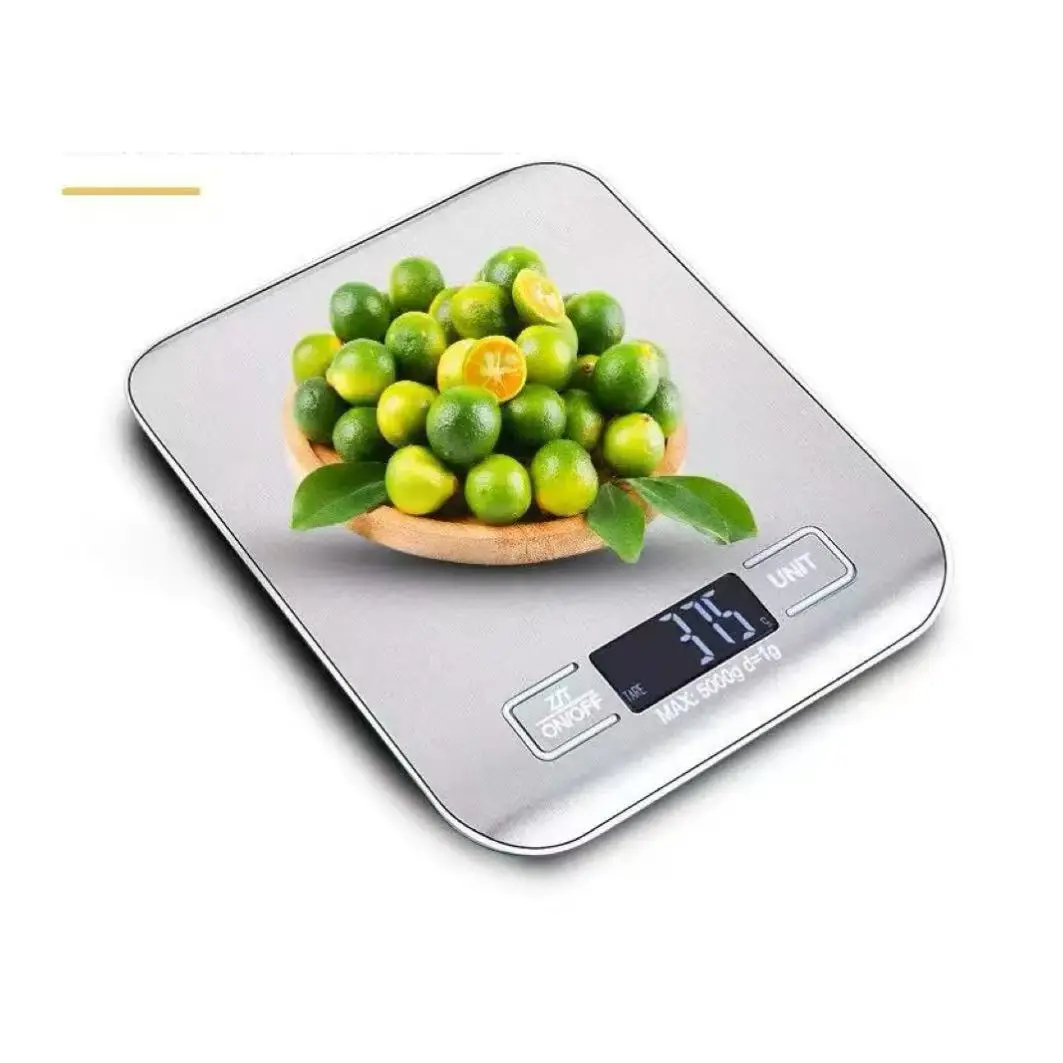


Browse kitchen and portion tools on Amazon
Food scales, portion containers and measuring sets, as an Amazon category search. We have not tested individual products.


