How to Lower Blood Sugar Naturally Without Giving Up Your Favorite Foods
Blood sugar management is a cornerstone of metabolic health, influencing energy levels, weight regulation, and long-term disease risk. While medications and strict diets can lower glucose, sustainable strategies prioritize dietary patterns, physical activity, and lifestyle adjustments that align with real-world living. Small, consistent changes, rather than extreme restrictions, yield the most durable results for glucose control and weight loss.
This guide sets out practical tactics to stabilize blood sugar without sacrificing favorite foods. The focus is on adjustments that integrate seamlessly into daily routines.
Why Blood Sugar Spikes Happen, and Why They Matter
After eating, carbohydrates break down into glucose, which enters the bloodstream. In response, the pancreas releases insulin to shuttle glucose into cells for energy or storage. When this system falters, due to insulin resistance, overconsumption of refined carbs, or sedentary habits, blood sugar levels remain elevated, triggering inflammation and metabolic strain.
Chronic high blood sugar is linked to type 2 diabetes, cardiovascular disease, and accelerated aging. However, temporary spikes are normal and manageable. The goal isn’t to eliminate glucose fluctuations entirely but to smooth them out, reducing the burden on insulin-producing beta cells.
Foods That Stabilize Blood Sugar (Without Sacrificing Flavor)
Not all carbohydrates are created equal. The key is choosing those with a low glycemic index (GI), a measure of how quickly a food raises blood sugar, and pairing them with protein, fiber, or healthy fats to slow absorption. Below are evidence-backed food groups that support glucose control while allowing flexibility in meal planning.
Fiber-Rich Carbohydrates
Fiber slows digestion, blunting blood sugar spikes. Soluble fiber, in particular, forms a gel-like substance in the gut that delays gastric emptying. Foods like lentils, oats, and berries are excellent choices. Diets rich in viscous fibers improved insulin sensitivity and reduced postprandial glucose levels by up to 20% in some studies.
Practical tip: Swap white rice for basmati rice, which has a lower GI. Or try barley, a whole grain with a GI of 25 (compared to 73 for white bread).
Healthy Fats: The Unsung Glucose Regulators
Monounsaturated and polyunsaturated fats, found in avocados, nuts, and olive oil, do not directly lower blood sugar but improve insulin sensitivity. A Harvard T.H. Chan School of Public Health analysis highlights that replacing saturated fats with unsaturated fats may reduce insulin resistance by enhancing cell membrane function.
Practical tip: Drizzle extra-virgin olive oil over salads or add a handful of almonds to yogurt. These small additions can curb post-meal glucose surges by slowing carbohydrate absorption.
Protein: The Glucose Buffer
Protein stimulates insulin secretion but also promotes satiety and muscle maintenance. Lean proteins like chicken, fish, and tofu blunt glucose spikes by delaying stomach emptying. A Mayo Clinic guide recommends including protein in every meal to moderate blood sugar responses.
Practical tip: Add a side of cottage cheese to fruit or top scrambled eggs with spinach. Even small protein portions (10–20 grams per meal) can make a measurable difference.
Movement That Lowers Blood Sugar (Without a Gym Membership)
Physical activity enhances insulin sensitivity by increasing glucose uptake in muscles. Both aerobic exercise and resistance training play distinct roles. Aerobic activity (walking, cycling) primarily improves cardiovascular health and immediate glucose clearance, while strength training preserves lean mass during weight loss, a critical factor for metabolic rate.
Short, frequent movement bouts (e.g., 10-minute walks after meals) can lower postprandial glucose by 12–18% more than a single prolonged session. This effect is attributed to enhanced muscle glucose uptake and reduced hepatic glucose production.
Post-Meal Walks: The Simplest Strategy
A short walk after a meal blunts the blood sugar spike substantially compared to sitting. The benefit was most pronounced after carbohydrate-heavy meals.
Practical tip: Schedule a 10–15 minute walk within 30 minutes of eating. Even light activity, gardening, household chores, counts.
Strength Training: The Metabolic Anchor
While strength training doesn’t dramatically increase resting metabolism, it prevents the loss of metabolically active lean mass during weight loss. This preservation supports long-term glucose regulation. Resistance training meaningfully improves insulin sensitivity in adults with prediabetes.
Practical tip: Aim for two 20–30 minute sessions per week using bodyweight exercises (squats, push-ups) or resistance bands. Focus on progressive overload over time.
Myth Buster: "All Carbs Are Bad for Blood Sugar"
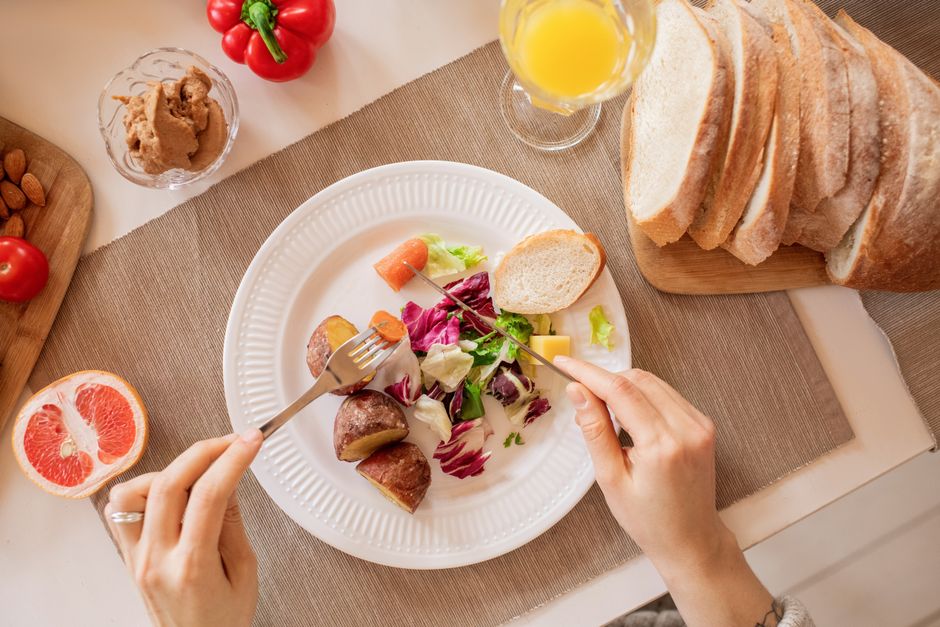
A common misconception is that carbohydrates inherently destabilize blood sugar. In reality, the type, timing, and context of carb consumption matter more than total intake. Whole, minimally processed carbs, like sweet potatoes, quinoa, and apples, have a lower glycemic load and provide fiber, vitamins, and minerals that support metabolic health.
In addition,, demonizing carbs can lead to nutrient deficiencies and rebound overeating. The Harvard Healthy Eating Plate emphasizes balance, recommending that half of each meal consist of vegetables, fruits, and whole grains.
7-Day Blood Sugar Stabilization Plan
This actionable plan integrates dietary adjustments, movement, and sleep hygiene to smooth glucose fluctuations. Adjust portions based on individual needs and activity levels.
Daily Structure
- Morning: Start with a protein-rich breakfast (e.g., Greek yogurt with berries and chia seeds) and a 10-minute walk.
- Midday: Pair carbs with fiber and protein (e.g., grilled chicken over quinoa with roasted vegetables). Follow lunch with a 15-minute walk.
- Afternoon: Snack on nuts or hummus with veggies. Avoid sugary beverages; opt for herbal tea or sparkling water with lemon.
- Evening: Include a source of healthy fat (e.g., salmon with asparagus and olive oil). Aim for two strength training sessions this week.
- Night: Prioritize 7–9 hours of sleep. Sleep deprivation increases cortisol and insulin resistance.
Sample Meal Ideas
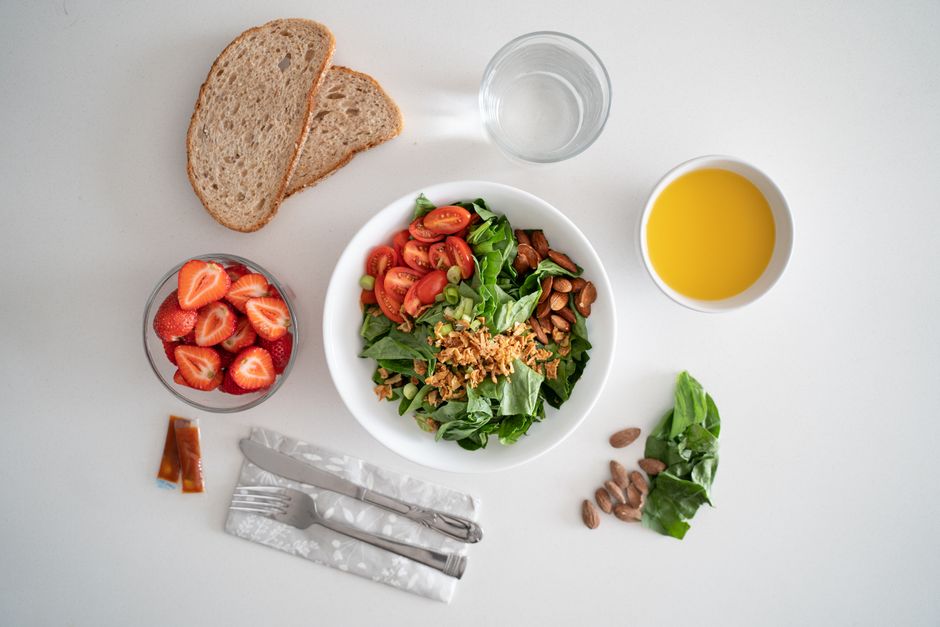
- Breakfast: Scrambled eggs with spinach and 1 slice whole-grain toast.
- Lunch: Lentil soup with a side of mixed greens and avocado.
- Dinner: Baked salmon with roasted Brussels sprouts and wild rice.
- Snacks: Cottage cheese with sliced pear, or almond butter on celery.
Troubleshooting Common Challenges
"I crave sweets after meals."
Cravings often stem from rapid glucose drops post-meal. Counteract this by:
- Adding protein or healthy fat to meals (e.g., nuts with fruit).
- Choosing low-GI desserts like dark chocolate (70%+ cocoa) or frozen berries with whipped cream.
- Waiting 10 minutes before giving in to cravings, distraction often reduces intensity.
"I don’t have time for long workouts."
Short, frequent activity is more effective for glucose control than sporadic long sessions. Break movement into 10-minute chunks:
- Take stairs instead of elevators.
- Park farther from entrances.
- Do bodyweight exercises during TV commercials.
"I eat healthy but still see spikes."
Hidden sources of refined carbs, sauces, dressings, and processed snacks, can undermine efforts. Check labels for added sugars and opt for homemade versions (e.g., vinaigrettes with olive oil and vinegar).
FAQ: Blood Sugar and Weight Loss
Does fruit raise blood sugar too much?
Whole fruits contain fiber, which moderates glucose absorption. Berries and apples have a lower GI than bananas or mangoes. Pairing fruit with protein or fat (e.g., apple slices with almond butter) further blunts spikes.
Can stress really affect blood sugar?
Stress triggers cortisol release, which can increase appetite and cravings for high-carb foods. Chronic stress also disrupts sleep, impairing insulin sensitivity. Managing stress through mindfulness, deep breathing, or light exercise can indirectly support glucose control.
Is intermittent fasting safe for blood sugar management?
Some studies suggest fasting can improve insulin sensitivity, but it’s not universally suitable. Those with type 2 diabetes or a history of hypoglycemia should consult a healthcare provider before trying fasting protocols. For others, a 12-hour overnight fast (e.g., stopping eating by 7 PM) may offer benefits without extreme restriction.
What’s the best drink for stable blood sugar?
Water is ideal, as dehydration can elevate cortisol and glucose levels. Herbal teas, black coffee, and sparkling water with citrus are good alternatives. Avoid sugary beverages and fruit juices, which can cause rapid spikes.
Putting It All Together
- Pair carbs with fiber, protein, or healthy fats to slow glucose absorption and prevent spikes.
- Move after meals, even short walks significantly reduce postprandial glucose levels.
- Prioritize whole, minimally processed foods over refined carbs and added sugars.
- Strength training preserves lean mass, which supports long-term metabolic health.
- Sleep and stress management are critical but often overlooked factors in glucose regulation.
Blood sugar management isn’t about perfection, it’s about progress. Small, sustainable changes compound over time, leading to improved energy, better weight control, and reduced disease risk. By focusing on balance, flexibility, and consistency, it’s possible to enjoy favorite foods while keeping glucose levels in check.
Advertising disclosure: the links below are affiliate links. We may earn a commission if you use them, at no extra cost to you. This does not change the article's content, and it is not a medical recommendation.
Recommended Health & Fitness Gear




Browse kitchen and portion tools on Amazon
Food scales, portion containers and measuring sets, as an Amazon category search. We have not tested individual products.