
Why Volume Matters More Than Calorie Counts Alone
When reducing calories, the goal isn’t just to eat less, it’s to eat smarter. The body’s satiety signals, driven by stomach stretch, nutrient density, and hormonal cues like, play a critical role in hunger regulation. Foods that expand in the stomach without excessive calories use these mechanisms, helping you feel full while maintaining a calorie deficit. This approach aligns with evidence from the Harvard Healthy Eating Plate, which emphasizes high-volume, low-calorie foods like vegetables and lean proteins as foundational to sustainable weight management.
High-volume eating isn’t about restriction, it’s about strategic food choices. Meals with lower energy density (calories per gram) can reduce overall intake by up to 25% without intentional calorie counting (Mayo Clinic). The key is prioritizing foods that deliver volume, fiber, and protein while minimizing added sugars and refined fats.
Top Low-Calorie, High-Satiety Foods to Build Meals Around
Not all low-calorie foods are created equal. The most satiating options combine three properties: high water content, fiber, and protein. Below are evidence-backed choices to incorporate into meals, snacks, and meal prep routines.
Vegetables: The Foundation of Volume Eating
- Leafy greens (spinach, kale, arugula): 25 calories per 100g, packed with fiber and water. Their bulk dilates the stomach, triggering stretch receptors that signal fullness.
- Cruciferous vegetables (broccoli, cauliflower, Brussels sprouts): 30–35 calories per 100g, rich in fiber and glucosinolates, which may influence appetite-regulating hormones.
- Zucchini and cucumbers: 15–20 calories per 100g, nearly 95% water. Their high water content increases gastric distension with minimal caloric cost.
Protein Sources: The Satiety Anchor
- Egg whites: 17 calories per large egg white, 3.6g protein, and negligible fat. Their high protein-to-calorie ratio supports muscle retention during weight loss.
- Skinless poultry breast: 165 calories per 100g, 31g protein. Protein increases thermogenesis (calories burned during digestion) and prolongs satiety compared to fats or carbs.
- Non-fat Greek yogurt: 60 calories per 100g, 10g protein. Fermented dairy may also modulate gut hormones like peptide YY, which reduces appetite.
- White fish (cod, tilapia, pollock): 90–110 calories per 100g, 20g+ protein. Lean fish is low in calories but high in protein, making it ideal for calorie-controlled diets.
Fiber-Rich Carbohydrates: Slow Digestion, Steady Fullness
- Oats: 68 calories per 100g (dry), 10g fiber per 100g. Beta-glucan fiber forms a viscous gel in the gut, slowing gastric emptying and reducing post-meal hunger.
- Quinoa: 120 calories per 100g (cooked), 4g fiber and 4g protein per 100g. Its complete amino acid profile enhances satiety compared to refined grains.
- Legumes (lentils, chickpeas, black beans): 115–130 calories per 100g (cooked), 7–9g fiber and 7–9g protein. Their resistant starch and fiber feed gut bacteria, which produce short-chain fatty acids linked to reduced appetite.
Hydrating, Low-Calorie Snacks
- Celery and carrot sticks: 15–20 calories per 100g, high in water and fiber. Pair with hummus (25 calories per tbsp) for added protein.
- Berries (strawberries, blueberries, raspberries): 30–50 calories per 100g, rich in polyphenols that may delay gastric emptying.
- Shrimp: 70 calories per 100g, 15g protein. Its high protein density makes it a satiating, low-calorie option for salads or stir-fries.
Meal Prep Strategies for Long-Term Success
Volume eating requires intentional planning. Batch-cooking high-satiety foods reduces reliance on calorie-dense convenience options. Start with these principles:
- Prioritize protein at every meal. Aim for 20–30g per meal to maximize satiety and muscle preservation.
- Fill half your plate with non-starchy vegetables. This ensures low energy density while meeting fiber needs.
- Use broth-based soups as a starter. Consuming soup before a meal reduces total calorie intake by 20% (Mayo Clinic).
- Pre-portion snacks. High-satiety snacks like Greek yogurt or cottage cheese prevent mindless grazing on calorie-dense foods.
Debunking the Myth: "Low-Calorie Means Low-Nutrient"
A common misconception is that low-calorie foods lack essential nutrients. In reality, many high-volume foods are micronutrient powerhouses. For example:
- Leafy greens provide vitamin K, folate, and lutein, which support bone and eye health.
- Cruciferous vegetables contain sulforaphane, a compound studied for its anti-cancer properties.
- Legumes are rich in iron, magnesium, and B vitamins, addressing common deficiencies in calorie-restricted diets.
Conversely, many calorie-dense foods (e.g., pastries, fried snacks) offer minimal micronutrients relative to their caloric load. The key is to focus on nutrient density alongside volume, ensuring meals are both filling and nourishing.
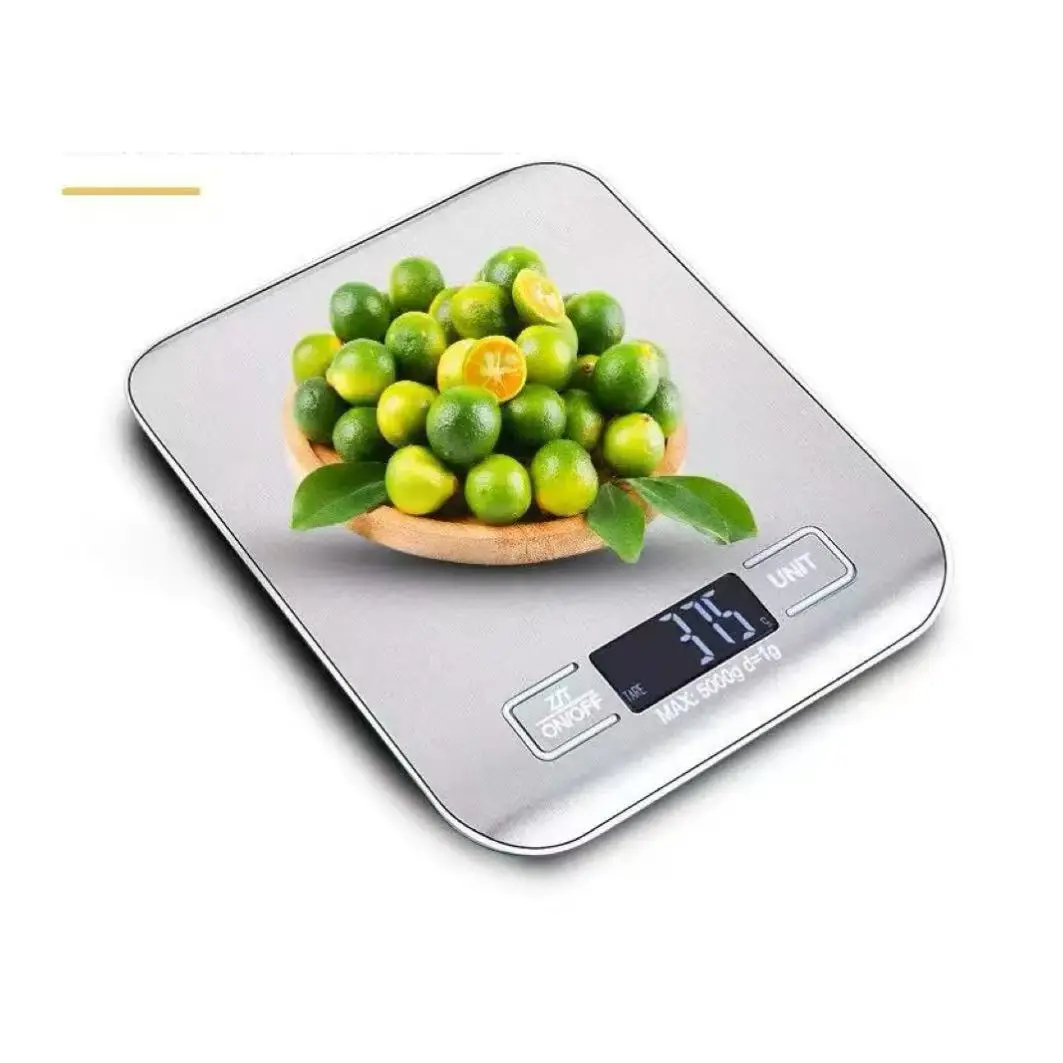
Recommended Health & Fitness Gear



FAQ: Addressing Common Questions
Can I eat too many low-calorie, high-volume foods?
While these foods are satiating, overconsumption can still lead to calorie excess if portion sizes aren’t mindful. For example, eating 500g of grapes (300 calories) may not trigger the same satiety as 500g of broccoli (150 calories). Balance is essential, pair volume with protein and fiber to optimize fullness.
Do low-calorie foods slow metabolism?
No. Metabolic rate is primarily influenced by lean body mass, thyroid function, and overall calorie intake, not the calorie density of individual foods. However, severe calorie restriction can reduce resting metabolic rate over time by lowering lean mass and altering thyroid hormones. The goal is moderate, sustainable deficits (10–20% below maintenance) to preserve metabolism.
Are frozen vegetables as nutritious as fresh?
Yes. Frozen vegetables are typically blanched and flash-frozen at peak ripeness, preserving nutrient content. They’re also more convenient for meal prep and less prone to spoilage, making them a practical choice for volume eating.
How do I avoid feeling deprived on a low-calorie diet?
Focus on adding satiating foods rather than restricting. For example, start meals with a broth-based soup or large salad to reduce hunger before the main course. Incorporating spices, herbs, and acid (lemon, vinegar) can also enhance flavor without adding calories, making meals more enjoyable.
The Science of Feeling Full Without Overdoing Calories
- Prioritize high-volume, low-calorie foods like vegetables, lean proteins, and fiber-rich carbs to use stomach stretch and satiety hormones.
- Protein is the most satiating macronutrient, increasing thermogenesis and prolonging fullness compared to fats or carbs.
- Fiber slows digestion, reducing post-meal hunger and stabilizing blood sugar. Aim for 25–30g daily from whole foods.
- Meal prep with volume in mind. Batch-cook soups, stews, and grain bowls to avoid relying on calorie-dense convenience foods.
- Nutrient density matters. High-volume foods should also provide essential vitamins and minerals to support overall health.
- Balance is critical. Even low-calorie foods can contribute to excess calories if portions aren’t controlled. Pair volume with protein and fiber for optimal satiety.
A good follow-up to this piece: 15 Best Low-Calorie Density Foods for Weight Loss.
Advertising disclosure: the links below are affiliate links. We may earn a commission if you use them, at no extra cost to you. This does not change the article's content, and it is not a medical recommendation.
Browse kitchen and portion tools on Amazon
Food scales, portion containers and measuring sets, as an Amazon category search. We have not tested individual products.


