Why Smart Snacking Matters When Time Is Scarce
When schedules tighten, meal preparation often becomes an afterthought, but hunger doesn’t take a break. The body’s energy demands remain constant, and skipping fuel entirely can backfire. Balanced snacking between meals helps stabilize blood sugar, reducing the likelihood of overeating later. The key is choosing options that deliver satiety without excess calories or metabolic disruption.
Not all snacks are equal. A 200-calorie bag of chips may temporarily quiet hunger, but its rapid digestion leaves the body primed for another crash within an hour. In contrast, protein-rich or fiber-dense choices slow gastric emptying, moderating the release of ghrelin, the hormone that signals hunger. This hormonal regulation is critical for maintaining steady energy and avoiding compensatory overeating later in the day.
Core Principles for Metabolism-Friendly Snacking
Three nutritional priorities should guide snack selection: protein density, fiber content, and minimal added sugars. Protein provides amino acids essential for muscle maintenance and satiety hormones like peptide YY, while fiber supports gut motility and slows carbohydrate absorption. Together, they create a synergistic effect that curbs cravings and stabilizes insulin response.
Hydration also plays an underappreciated role. Mild dehydration can masquerade as hunger, particularly in busy environments where water intake is deprioritized. The Harvard Nutrition Source notes that even a 2% drop in body water can impair cognitive function and increase perceived hunger. Keeping a reusable bottle visible serves as both a hydration cue and a visual reminder to pause before reaching for food.
The 10 Snacks That Pass the Busy-Day Test
These options are selected for their balance of convenience, nutritional density, and minimal prep. Each provides at least 5 grams of protein and 3 grams of fiber per serving, aligning with evidence-based thresholds for satiety.
High-Protein, Low-Calorie Staples
- Greek yogurt (plain, 2% fat) + berries
- 200g yogurt delivers ~15g protein and 150 calories. Add ½ cup mixed berries for fiber and antioxidants without spiking blood sugar.
- Choose unsweetened varieties to avoid hidden sugars that can trigger rebound hunger.
- Cottage cheese + cucumber slices
- ½ cup cottage cheese provides ~14g protein and 90 calories. Pair with fiber-rich cucumber for crunch and volume without excess energy.
- Opt for low-sodium versions to prevent water retention, which can mimic bloating.
- Hard-boiled eggs + everything bagel seasoning
- Two large eggs offer ~12g protein and 140 calories. Seasoning adds flavor without sodium overload if used sparingly.
- Pre-peel eggs on weekends to streamline weekday access.
Fiber-First, Minimal-Prep Options
- Edamame (shelled, steamed) + sea salt
- 1 cup shelled edamame provides ~17g protein and 190 calories, along with 8g fiber. The protein-to-calorie ratio is exceptional for plant-based eaters.
- Buy frozen and microwave for 2–3 minutes to avoid texture degradation.
- Roasted chickpeas (store-bought, no added sugar)
- ¼ cup delivers ~6g protein and 120 calories, with 5g fiber. Look for brands with <150mg sodium per serving.
- Portion into small containers to prevent mindless overeating.
- Sliced apple + 1 tbsp almond butter
- The fiber in the apple (4g per medium fruit) slows digestion of the almond butter’s healthy fats and protein, preventing rapid glucose spikes.
- Use pre-sliced apples from the produce section to save time.
Quick Assembly, No Cooking Required
- Turkey roll-ups (sliced deli turkey + avocado)
- 3 slices turkey (90 calories) wrapped around ¼ avocado (60 calories) provides ~10g protein and 5g fiber. The avocado’s monounsaturated fats enhance satiety.
- Use nitrate-free turkey to avoid unnecessary additives.
- Tuna + whole-grain crackers
- 1 can tuna in water (100 calories, 20g protein) paired with 4 whole-grain crackers (120 calories, 3g fiber) creates a balanced mini-meal.
- Keep single-serve tuna packets in a desk drawer for emergencies.
- Pre-cut veggies + hummus
- 1 cup bell pepper strips (30 calories) + 2 tbsp hummus (70 calories) offers ~3g protein and 4g fiber. The fiber in the veggies and chickpeas promotes fullness.
- Pre-washed, pre-cut veggies reduce prep time to under 30 seconds.
Troubleshooting Common Snacking Pitfalls
Even the best-laid plans encounter obstacles. Below is a step-by-step protocol for addressing the most frequent barriers to healthy snacking.
Problem: “I’m too tired to prep anything.”
Solution: Stock shelf-stable, no-prep options:
- Single-serve nut packs (100% nuts, no added oils)
- Shelf-stable salmon or sardines (in BPA-free pouches)
- Roasted seaweed snacks (low-calorie, high in iodine and fiber)
Problem: “I crave something crunchy or salty.”
Solution: Swap refined carbs for nutrient-dense alternatives:
- Air-popped popcorn (3 cups = ~90 calories, 3.5g fiber)
- Baked kale chips (store-bought, <50 calories per cup)
- Pickles or olives (low-calorie, high in sodium for electrolyte balance)
Problem: “I’m not hungry now, but I know I’ll crash later.”
Solution: Schedule a “preemptive snack” 2–3 hours before your typical energy dip. For example, if fatigue hits at 3 PM, consume a protein-forward snack at 12:30 PM to preempt the crash.
Myth: “Snacking Slows Metabolism.”
This misconception stems from outdated models of thermic effect of food (TEF). While eating does increase metabolic rate temporarily, the effect is modest, typically 10% of the meal’s calories. The real issue isn’t frequency, but composition. Snacks that are high in protein and fiber elevate TEF more than calorie-matched options rich in refined carbs. The Mayo Clinic Nutrition Guide notes no difference in resting metabolic rate between those who ate three meals per day versus those who distributed intake across five smaller meals, provided total calories were equal.
The metabolic slowdown attributed to snacking is more likely due to overconsumption than frequency itself. When snacks are portion-controlled and nutritionally balanced, they support metabolic health by preventing energy deficits that trigger muscle catabolism.
7-Day Action Plan: From Chaos to Consistency
This plan assumes a 1,600–1,800 calorie daily target but can be adjusted for individual needs. Timing is flexible; adjust based on your schedule.
| Day | Morning Snack (9–11 AM) | Afternoon Snack (2–4 PM) | Pre-Workout (Optional) |
|---|---|---|---|
| Monday | Greek yogurt + ½ cup blueberries | Edamame + sea salt | 1 hard-boiled egg |
| Tuesday | Cottage cheese + cucumber slices | Roasted chickpeas (¼ cup) | Turkey roll-ups |
| Wednesday | Sliced apple + 1 tbsp almond butter | Pre-cut veggies + 2 tbsp hummus | Tuna + whole-grain crackers |
| Thursday | Greek yogurt + ½ cup strawberries | Air-popped popcorn (3 cups) | 1 hard-boiled egg |
| Friday | Cottage cheese + cherry tomatoes | Roasted seaweed snacks + 10 almonds | Turkey roll-ups |
| Saturday | Sliced pear + 1 tbsp walnut pieces | Edamame + everything bagel seasoning | Pre-cut veggies + 2 tbsp hummus |
| Sunday | Greek yogurt + ½ cup raspberries | Roasted chickpeas (¼ cup) | Tuna + whole-grain crackers |
Recommended Health & Fitness Gear



FAQ: Snacking for Weight Loss
Q: Are protein bars a good snack option?
A: Only if they meet strict criteria: <10g sugar, >15g protein, and <5g fiber per bar. Many commercial bars contain as much sugar as a candy bar. Opt for brands with whole-food ingredients like nuts and seeds.
Q: How do I know if I’m actually hungry or just bored?
A: Pause and ask: “Would I eat this if it were a meal?” If the answer is no, the urge is likely emotional. Drink a glass of water and wait 10 minutes. Physical hunger builds gradually; boredom cravings peak and fade quickly.
Q: Can I snack at night and still lose weight?
A: Yes, if the snack is portion-controlled and nutritionally balanced. A small protein source like cottage cheese or a handful of nuts can prevent overnight muscle breakdown. Avoid high-carb snacks that may disrupt sleep.
Q: What’s the best snack for gym-goers?
A: A 2:1 or 3:1 ratio of carbs to protein consumed 30–60 minutes post-workout supports recovery. Greek yogurt with banana or a smoothie with whey protein and frozen berries fits this model.
The Short Version
- Prioritize protein and fiber: These nutrients extend satiety by slowing digestion and modulating hunger hormones like ghrelin.
- Prevent dehydration-related hunger: Mild dehydration can mimic appetite, so hydrate consistently throughout the day.
- Plan for convenience: Pre-portion snacks on weekends to eliminate decision fatigue during the week.
- Balance is more important than frequency: Metabolic rate isn’t significantly affected by snack timing, but snack composition impacts energy stability and muscle preservation.
- Portion control defeats empty calories: Even healthy snacks can contribute to weight gain if portions are unchecked.
By aligning snack choices with metabolic needs and lifestyle constraints, it’s possible to maintain energy, curb cravings, and support weight loss goals, without sacrificing time or flavor.
Advertising disclosure: the links below are affiliate links. We may earn a commission if you use them, at no extra cost to you. This does not change the article's content, and it is not a medical recommendation.
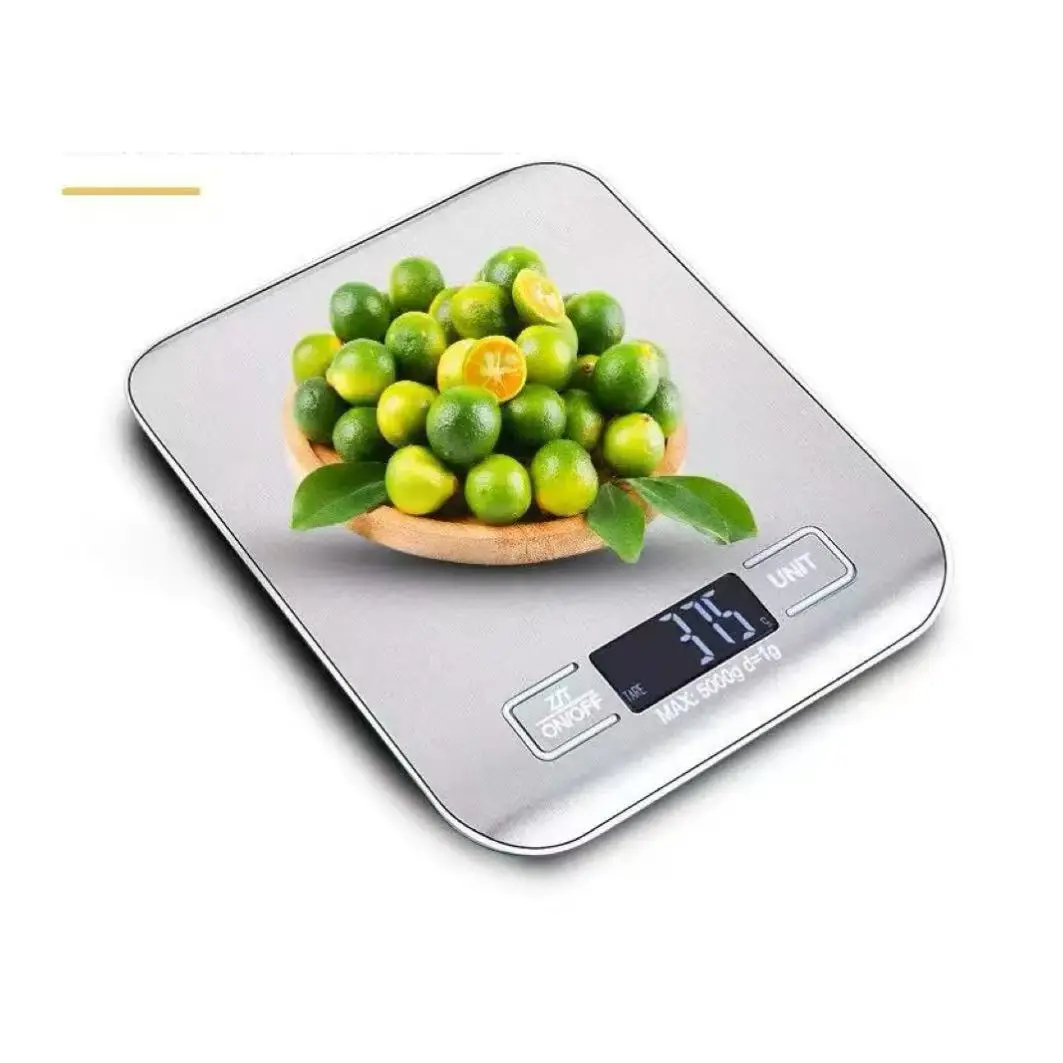
Browse kitchen and portion tools on Amazon
Food scales, portion containers and measuring sets, as an Amazon category search. We have not tested individual products.