
Why Your Workout Isn’t Delivering, and What Does
Exercise is a cornerstone of health, yet many people find their efforts yield minimal results when it comes to fat loss. The disconnect often lies not in effort but in strategy. While physical activity is critical for overall well-being, its direct impact on weight loss is frequently overestimated. Exercise alone rarely produces significant fat loss without concurrent attention to nutrition and lifestyle factors.
This doesn’t mean workouts are ineffective, rather, their role in weight management is more nuanced than calorie-burning alone. The body’s response to exercise involves complex physiological adaptations, including changes in appetite, energy expenditure, and metabolic rate. Understanding these mechanisms is key to designing an effective strategy.
The Myth of "Calories In, Calories Out" Simplicity
While energy balance remains the fundamental principle of weight loss, the equation is far from static. Exercise influences appetite hormones like ghrelin and leptin, which regulate hunger and satiety. Moderate-to-vigorous exercise can transiently suppress ghrelin while increasing peptide YY, a hormone that reduces appetite. However, this effect varies widely among individuals and is not guaranteed to translate into reduced food intake.
In addition, the body compensates for increased activity through non-exercise activity thermogenesis (NEAT), subtle movements like fidgeting or standing, which can decrease if fatigue sets in. This compensation underscores why relying solely on structured workouts for fat loss often falls short. The Harvard T.H. Chan School of Public Health emphasizes that diet quality and consistency play a larger role in long-term weight management than exercise alone.
What Boosts Metabolism, and What Doesn’t
Metabolism is often misunderstood as a static number, but it’s a dynamic system influenced by muscle mass, hormones, and lifestyle. Strength training is one of the most reliable ways to increase resting metabolic rate (RMR) because muscle tissue is metabolically active. A review in Sports Medicine notes that resistance training can elevate RMR by up to 9% in the hours following exercise, though the effect diminishes over time.
High-intensity interval training (HIIT) has gained popularity for its purported metabolic benefits, but evidence suggests its impact is often overstated. While HIIT can improve insulin sensitivity and cardiovascular health, it doesn’t consistently outperform steady-state cardio for fat loss when calories are controlled. The key differentiator is exercise intensity, not the format, which drives greater post-exercise oxygen consumption (EPOC) and calorie burn.
Common Workout Mistakes That Sabotage Fat Loss
Even well-intentioned routines can backfire if they overlook fundamental principles. One frequent error is chronic cardio, long, low-intensity sessions that may increase hunger and reduce NEAT. The Mayo Clinic warns that excessive endurance exercise without proper fueling can lead to muscle loss, which lowers metabolism over time.
Another pitfall is ignoring recovery. Overtraining elevates cortisol, a hormone linked to fat storage, particularly around the abdomen. Research in Obesity Reviews suggests that high cortisol levels may impair fat oxidation and promote visceral fat accumulation, but this effect is context-dependent and tied to overall stress levels.
Finally, many people underestimate the role of progressive overload in strength training. Without gradually increasing resistance or volume, muscle adaptation plateaus, limiting metabolic benefits. A study in Medicine & Science in Sports & Exercise found that untrained individuals experience the greatest metabolic boost from resistance training, while trained lifters require more strategic programming to see continued benefits (LWW).
Strategies That Hold Up for Sustainable Fat Loss
To maximize workout efficacy, focus on the approaches with real support:
- Prioritize strength training 2–3 times per week. Compound lifts like squats, deadlifts, and presses recruit the most muscle fibers, enhancing metabolic demand. Aim for 3–4 sets of 8–12 reps with progressive overload.
- Incorporate HIIT strategically. Short bursts (e.g., 20–30 seconds) of near-maximal effort followed by rest periods can stimulate EPOC without triggering excessive hunger. Limit sessions to 2–3 times weekly to avoid overtraining.
- Monitor NEAT. Non-exercise movement, walking, standing, or light activity, accounts for 15–50% of daily calorie expenditure. Use a pedometer or smartwatch to track steps and aim for at least 7,000–10,000 daily.
- Align nutrition with goals. Protein intake (1.6–2.2g/kg body weight) supports muscle retention and satiety. Pair workouts with a balanced diet rich in fiber, healthy fats, and minimally processed foods to optimize fat oxidation.
- Prioritize sleep and stress management. Poor sleep disrupts leptin and ghrelin, increasing cravings. Aim for 7–9 hours nightly and incorporate stress-reducing practices like meditation or yoga.
Myth Buster: "More Exercise = More Fat Loss"
This oversimplification ignores the body’s adaptive responses. While exercise is essential for health, its direct contribution to fat loss is often modest compared to dietary changes. Exercise on its own produces less weight loss than most people expect, and most of its benefit shows up as improved body composition -- more muscle, less fat -- rather than as the number on the scale.
The myth persists because people conflate fat loss with weight loss. Exercise builds lean mass, which is denser than fat, so the scale may not reflect true progress. Body composition analysis (e.g., DEXA scans or calipers) provides a clearer picture of metabolic health.
FAQ: Addressing Common Concerns
Q: Can I lose fat without changing my diet?
A: While possible, it’s unlikely. Exercise alone rarely creates a large enough calorie deficit to sustain fat loss, especially over time. Nutrition is the primary driver of energy balance, but workouts enhance body composition and metabolic health.
Q: Is fasted cardio better for fat loss?
A: Research is mixed. Some studies suggest fasted cardio may slightly increase fat oxidation during the workout, but this doesn’t translate to greater overall fat loss compared to fed cardio. The key factor is total daily calorie intake and expenditure.
Q: How much cardio do I need to see results?
A: The American College of Sports Medicine recommends 150–300 minutes of moderate-intensity or 75–150 minutes of vigorous-intensity cardio weekly for general health. For fat loss, 200–300 minutes may be more effective, but intensity matters more than duration.
Q: Does lifting weights make women "bulky"?
A: No. Women lack the testosterone levels required for significant muscle hypertrophy without targeted training and nutrition. Strength training improves metabolism, bone density, and functional strength without causing a bulky appearance.
Worth Remembering
- Exercise alone rarely drives significant fat loss; nutrition and lifestyle are equally critical.
- Strength training is the most effective workout for boosting metabolism due to its impact on muscle mass and resting metabolic rate.
- HIIT and cardio have benefits but should be balanced with recovery and NEAT to avoid compensatory behaviors.
- Progressive overload in resistance training and strategic programming prevent plateaus in fat loss.
- Sleep, stress, and diet play outsized roles in fat loss compared to workout selection alone.
You may also find The psychology behind a stalled diet useful.
Advertising disclosure: the links below are affiliate links. We may earn a commission if you use them, at no extra cost to you. This does not change the article's content, and it is not a medical recommendation.
Recommended Health & Fitness Gear

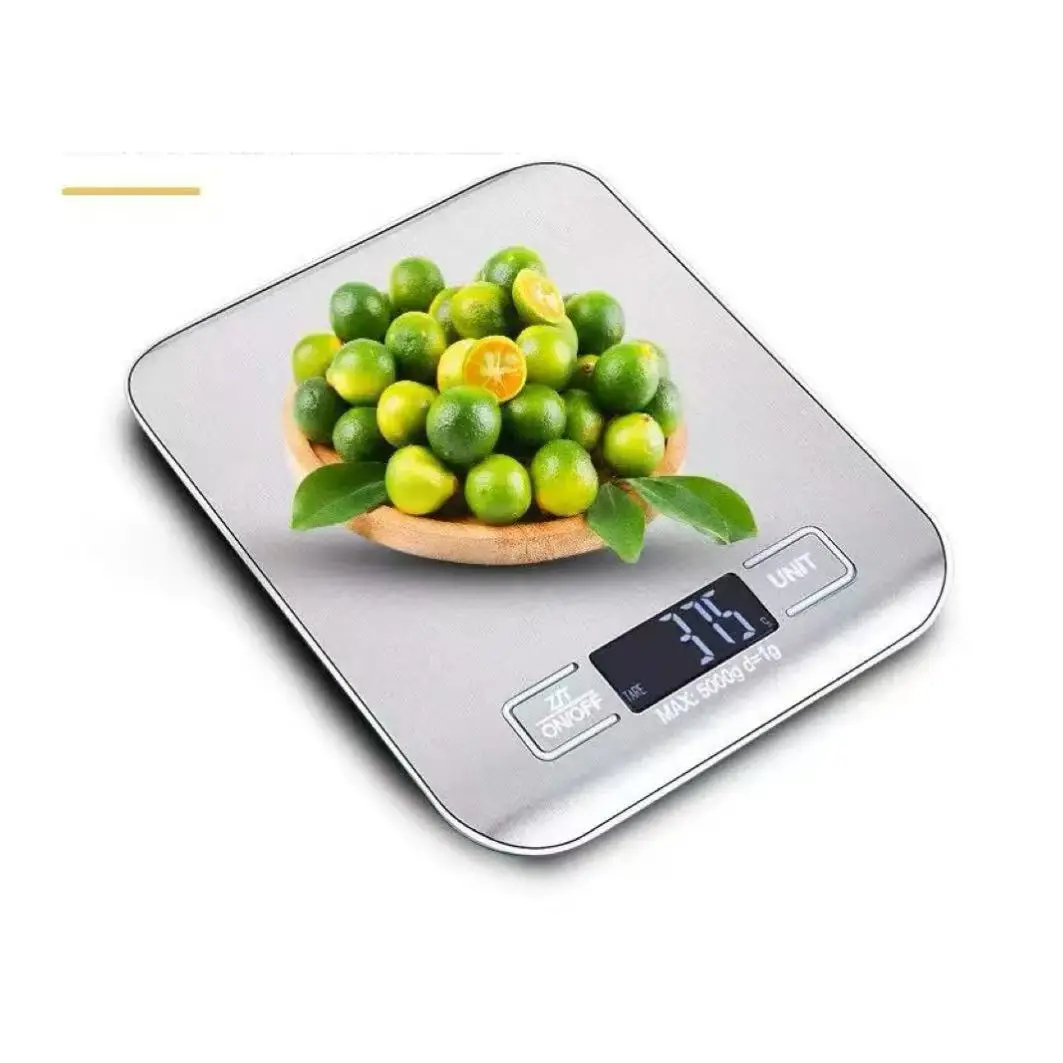


Browse kitchen and portion tools on Amazon
Food scales, portion containers and measuring sets, as an Amazon category search. We have not tested individual products.


