Why a Weekend Diet Recovery Plan Works, and How to Make It Stick
After a weekend of indulgence, the scale may show a higher number, clothes feel tighter, and energy levels dip. This isn’t just water retention or temporary bloating, it reflects a cascade of metabolic shifts triggered by excess sodium, refined carbohydrates, and alcohol. The good news is that the body is highly adaptive and can return to baseline within 48 to 72 hours with the right recovery strategy. The key lies in understanding how macronutrients, hydration, and movement interact to restore balance without triggering rebound overeating or metabolic slowdown.
Short-term dietary deviations do not permanently alter metabolic rate, provided they are followed by a return to balanced nutrition and activity levels. Acute overeating primarily increases water retention and glycogen storage, both of which are reversible. The body’s preference for homeostasis means that with targeted interventions, metabolic function can normalize rapidly, often faster than perceived.
What Really Happens to Your Body After a Weekend of Overeating
When caloric intake temporarily exceeds expenditure, the body prioritizes storing excess energy. Carbohydrates are converted to glycogen in the liver and muscles, each gram binding to 3–4 grams of water. This explains the immediate weight gain and bloating. Sodium from processed foods and alcohol further exacerbates fluid retention by disrupting electrolyte balance, pulling water into extracellular spaces. Alcohol also impairs antidiuretic hormone (ADH) secretion, leading to increased urine output and subsequent dehydration despite fluid intake.
Insulin sensitivity may temporarily decline due to elevated blood glucose and lipid levels, particularly after high-sugar or high-fat meals. This is not a sign of long-term metabolic damage but a transient state that corrects with rebalancing. The body’s inflammatory response also rises slightly, as shown by elevated C-reactive protein (CRP) levels in studies of short-term overeating. However, this response is mild and short-lived when followed by a return to nutrient-dense foods and adequate hydration.
Hydration: The Silent Reset Button
Hydration is the fastest way to reduce bloating and support metabolic recovery. Water flushes out excess sodium, aids digestion, and helps metabolize stored glycogen. Aim for at least 30–35 milliliters of water per kilogram of body weight daily, adjusting for activity level and climate. For example, a 70 kg adult should target 2.1–2.5 liters daily. Electrolytes, particularly potassium and magnesium, help restore balance and reduce water retention. Coconut water, herbal teas, and electrolyte-infused water are effective options.
Caffeinated beverages like coffee and black tea can contribute to dehydration and may worsen bloating. Alcohol should be avoided entirely during the recovery period, as it prolongs fluid imbalance and delays glycogen depletion. Herbal teas such as peppermint or ginger can soothe digestion and reduce inflammation without diuretic effects.
Nutrition Strategies to Restore Balance
Focus on whole, minimally processed foods that support liver function, digestion, and blood sugar regulation. High-fiber vegetables, lean proteins, and healthy fats help stabilize insulin and promote satiety. The Harvard Healthy Eating Plate recommends filling half the plate with vegetables, a quarter with lean protein, and a quarter with whole grains or starchy vegetables. This structure minimizes blood sugar spikes and supports metabolic flexibility.
Protein intake should be prioritized to preserve lean muscle mass and enhance satiety. Aim for 1.2–1.6 grams per kilogram of body weight daily during recovery. Foods rich in potassium, such as bananas, spinach, and avocados, help counteract sodium’s effects and reduce bloating. Fermented foods like yogurt, kefir, and sauerkraut support gut microbiome diversity, which is linked to improved digestion and reduced inflammation.
Movement That Speeds Up Recovery, Without Overdoing It
Light to moderate physical activity enhances circulation, aids digestion, and helps deplete excess glycogen. Walking for 20–30 minutes at a comfortable pace is ideal, as it increases blood flow without triggering excessive hunger or fatigue. Gentle yoga or stretching can also reduce stress-related bloating by lowering cortisol and improving parasympathetic nervous system activity.
High-intensity exercise is not recommended immediately after overeating, as it may increase cortisol and appetite. Strength training can be reintroduced once energy levels stabilize, but focus on maintaining form and avoiding excessive soreness. The primary benefit of movement during recovery is not calorie burn but metabolic activation and digestive support.
Your 72-Hour Weekend Diet Recovery Protocol
The following structured plan is designed to restore balance within three days. Adjust portions based on individual needs and activity level.
Day 1: Rehydrate and Reset
- Morning: Start with 500 ml of water upon waking. Add a pinch of sea salt or a squeeze of lemon for electrolytes.
- Breakfast: Scrambled eggs with spinach, avocado, and a slice of whole-grain toast. Black coffee or herbal tea.
- Mid-Morning: 250 ml coconut water or electrolyte-infused water. A small handful of almonds.
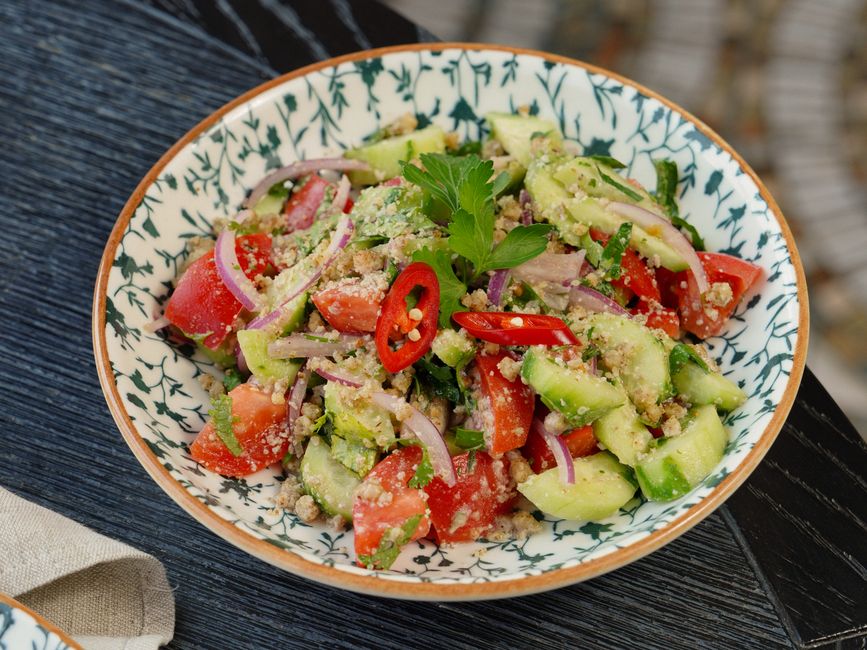
- Lunch: Grilled chicken salad with mixed greens, cucumber, cherry tomatoes, olive oil, and lemon dressing. Side of steamed broccoli.
- Afternoon: 30-minute walk. Herbal tea (peppermint or ginger).
- Dinner: Baked salmon with roasted Brussels sprouts and quinoa. Side of sauerkraut.
- Evening: 250 ml warm chamomile tea. Optional: magnesium glycinate supplement (200–400 mg) to support relaxation and digestion.
Day 2: Stabilize Blood Sugar and Digestion
- Morning: 500 ml water with lemon. Oatmeal with chia seeds, blueberries, and a tablespoon of almond butter.
- Mid-Morning: Greek yogurt with sliced banana and a sprinkle of cinnamon.
- Lunch: Turkey and avocado wrap in a whole-wheat tortilla with a side of carrot sticks and hummus.
- Afternoon: 20-minute walk. Herbal tea (dandelion root for liver support).
- Dinner: Grilled shrimp with zucchini noodles and pesto. Side of arugula salad with olive oil and balsamic vinegar.
- Evening: 250 ml warm turmeric tea (anti-inflammatory).
Day 3: Reintroduce Balance and Energy
- Morning: 500 ml water with a splash of apple cider vinegar. Scrambled tofu with sautéed mushrooms and whole-grain toast.
- Mid-Morning: Smoothie with spinach, frozen mango, Greek yogurt, and flaxseeds.
- Lunch: Lentil soup with a side of mixed greens and olive oil dressing. Small whole-grain roll.
- Afternoon: 30-minute walk or gentle yoga session.
- Dinner: Baked cod with roasted sweet potatoes and steamed asparagus. Side of kimchi.
- Evening: 250 ml warm ginger tea. Optional: probiotic supplement.
Recommended Health & Fitness Gear




Common Myths About Post-Indulgence Recovery
Myth: Skipping meals helps the body “reset” faster. In reality, prolonged fasting after overeating can increase cortisol, trigger rebound overeating, and slow digestion. The body needs consistent, balanced nutrition to restore metabolic efficiency.
Myth: Drinking large amounts of water will “flush out” excess weight overnight. While hydration reduces bloating, it does not directly eliminate stored fat. Excess fat loss requires a sustained caloric deficit over time, not a single-day detox.
Myth: Exercise must be intense to “burn off” weekend indulgences. High-intensity workouts can increase appetite and stress hormones, counteracting recovery goals. Gentle movement supports digestion and metabolic balance without triggering compensatory hunger.
Frequently Asked Questions
Q: How long does it take to fully recover from a weekend of overeating?
A: Most people return to baseline within 48–72 hours with proper hydration, nutrition, and light activity. The scale may take an additional 1–2 days to reflect true weight due to residual water retention.
Q: Is it safe to fast for a day after overeating?
A: Short-term fasting (12–16 hours) may be tolerated by some individuals, but it is not necessary for recovery. A balanced, nutrient-dense day is more effective for restoring metabolic function and reducing cravings.
Q: Can probiotics help with bloating after overeating?
A: Yes. Probiotics support gut microbiome diversity, which can improve digestion and reduce inflammation. Fermented foods or supplements may help alleviate bloating, especially if overeating included high-fat or processed foods.
Q: Should I weigh myself immediately after a weekend of indulgence?
A: Weighing daily can be misleading due to fluctuations from water retention and glycogen storage. Focus on trends over a week rather than single measurements.
Key Takeaways
- Hydration and electrolytes are the fastest ways to reduce bloating and support metabolic recovery.
- Whole, fiber-rich foods stabilize blood sugar and promote satiety without triggering rebound hunger.
- Light movement enhances digestion and circulation without increasing stress or appetite.
- Short-term overeating does not permanently alter metabolism but requires targeted recovery to restore balance.
- Avoid extreme measures like fasting or intense exercise, which can prolong recovery and increase cravings.
By understanding the body’s adaptive responses and applying evidence-based strategies, recovery from weekend indulgences can be efficient, sustainable, and free from guilt. The goal is not perfection but consistency in returning to balanced habits that support long-term health.
If you want to go deeper, see weekend diet recovery: how to reset without guilt or extremes.
Advertising disclosure: the links below are affiliate links. We may earn a commission if you use them, at no extra cost to you. This does not change the article's content, and it is not a medical recommendation.
Browse kitchen and portion tools on Amazon
Food scales, portion containers and measuring sets, as an Amazon category search. We have not tested individual products.