Why Small Daily Habits Outperform Drastic Diets for Long-Term Weight Loss
Sustainable weight loss isn’t about extreme calorie restriction or punishing exercise routines. It’s about identifying and reinforcing the small, often overlooked daily habits that influence hunger, energy expenditure, and metabolic efficiency. Research consistently shows that consistent, low-effort behaviors, such as prioritizing protein intake, staying hydrated, and incorporating non-exercise activity thermogenesis (NEAT), have a far greater impact on body composition than short-term dieting.
These habits work by subtly recalibrating hormonal signals, optimizing appetite regulation, and preserving metabolically active lean mass. Unlike crash diets, which often trigger rebound weight gain by slowing metabolism and increasing cravings, small daily adjustments create a cumulative effect that compounds over time. The key lies in understanding how these behaviors interact with your body’s physiology, and then designing systems that make them effortless to maintain.
How Tiny Habits Rewire Your Metabolism and Appetite
Your body’s weight regulation is governed by a complex interplay of hormones, including ghrelin (the hunger hormone), leptin (the satiety hormone), and insulin (the storage hormone). Small, consistent habits can nudge these signals in a favorable direction without the stress of drastic changes. For example, protein-rich meals trigger the release of peptide YY and glucagon-like peptide-1 (GLP-1), both of which reduce appetite and delay gastric emptying.
Hydration also plays a critical, underappreciated role. Even mild dehydration can be misinterpreted as hunger, leading to unnecessary snacking. Adequate water intake supports metabolic processes and may reduce calorie intake by up to 200 calories per day in some individuals. Meanwhile, NEAT activities, such as standing more, walking during calls, or fidgeting, can burn hundreds of additional calories daily without requiring formal exercise.
Another overlooked factor is sleep. Poor sleep disrupts ghrelin and leptin balance, increasing cravings for high-calorie foods while reducing energy for movement. Prioritizing consistent sleep schedules and minimizing evening screen time can indirectly support weight loss by stabilizing these hormonal fluctuations.
The Power of Habit Stacking: How to Layer Small Changes for Big Results
Habit stacking, the practice of attaching a new behavior to an existing one, is one of the most efficient ways to build sustainable routines. For instance, pairing a glass of water with your morning coffee creates a hydration habit without extra effort. Similarly, placing a resistance band next to your desk encourages brief strength exercises during work breaks.
Research from the Harvard T.H. Chan School of Public Health highlights that structural cues, like keeping healthy snacks visible and unhealthy ones out of sight, can significantly influence food choices. Over time, these small adjustments reduce decision fatigue and make healthier behaviors the default.
To maximize effectiveness, focus on habits that align with your natural rhythms. For example:
- Morning: Start with a protein-rich breakfast (e.g., eggs or Greek yogurt) to curb mid-morning cravings.
- Afternoon: Take a 5-minute walk after lunch to boost digestion and NEAT.
- Evening: Prepare tomorrow’s workout clothes the night before to reduce friction for exercise.
Myth Busting: Why “Metabolism-Boosting” Hacks Fall Short
A common misconception is that certain foods or supplements can “rev up” metabolism enough to drive significant weight loss. In reality, the thermic effect of food (TEF), the energy required to digest, absorb, and process nutrients, accounts for only about 10% of daily calorie expenditure. Even the most metabolically active foods, like lean protein, offer modest benefits compared to the cumulative impact of NEAT and strength training.
Another persistent myth is that stress directly causes fat storage. While chronic stress elevates cortisol, which can increase appetite and cravings for hyperpalatable foods, it does not inherently lead to fat gain without an energy surplus. The real issue is that stress often disrupts sleep and reduces motivation for physical activity, creating indirect pathways to weight gain. Addressing stress through mindfulness or short walks is more effective than fixating on cortisol alone.
Finally, the idea that strength training dramatically increases resting metabolism is overstated. While resistance exercise preserves lean mass during a calorie deficit, a critical factor for long-term success, it does not produce a substantial metabolic boost for most people. The primary benefit lies in maintaining muscle, which supports mobility and metabolic health rather than acting as a calorie-burning engine.
Your 10-Day Habit Overhaul: A Step-by-Step Protocol
This structured plan is designed to integrate small, evidence-based habits into your daily routine without overwhelming you. Adjust portions and timing based on your body size, activity level, and hunger cues.
| Day | Habit Focus | Implementation |
|---|---|---|
| Days 1–3 | Hydration & Protein Timing |
|
| Days 4–6 | NEAT & Movement Snacks |
|
| Days 7–10 | Sleep & Stress Optimization |
|
Troubleshooting: If you miss a habit, reset immediately without judgment. For example, if you skip your morning walk, do a 5-minute version later in the day. Consistency matters more than perfection.
Beyond the Basics: Advanced Tactics for Stubborn Plateaus
When progress stalls, it’s often due to subtle inefficiencies in your routine. Two strategies can help:
1. Protein pacing: Distributing protein evenly across meals (rather than loading it into one meal) may improve satiety and muscle protein synthesis. Aim for 20–40g per meal, depending on your size and activity level.
2. Environmental design: Reduce friction for healthy habits by prepping ingredients in advance or using portion-controlled containers. Conversely, increase friction for less healthy choices by storing snacks out of sight.
For those who struggle with late-night eating, a protein-rich evening snack (e.g., cottage cheese or casein protein) can stabilize blood sugar and reduce cravings. The Mayo Clinic recommends avoiding heavy meals within 2–3 hours of bedtime to improve sleep quality.
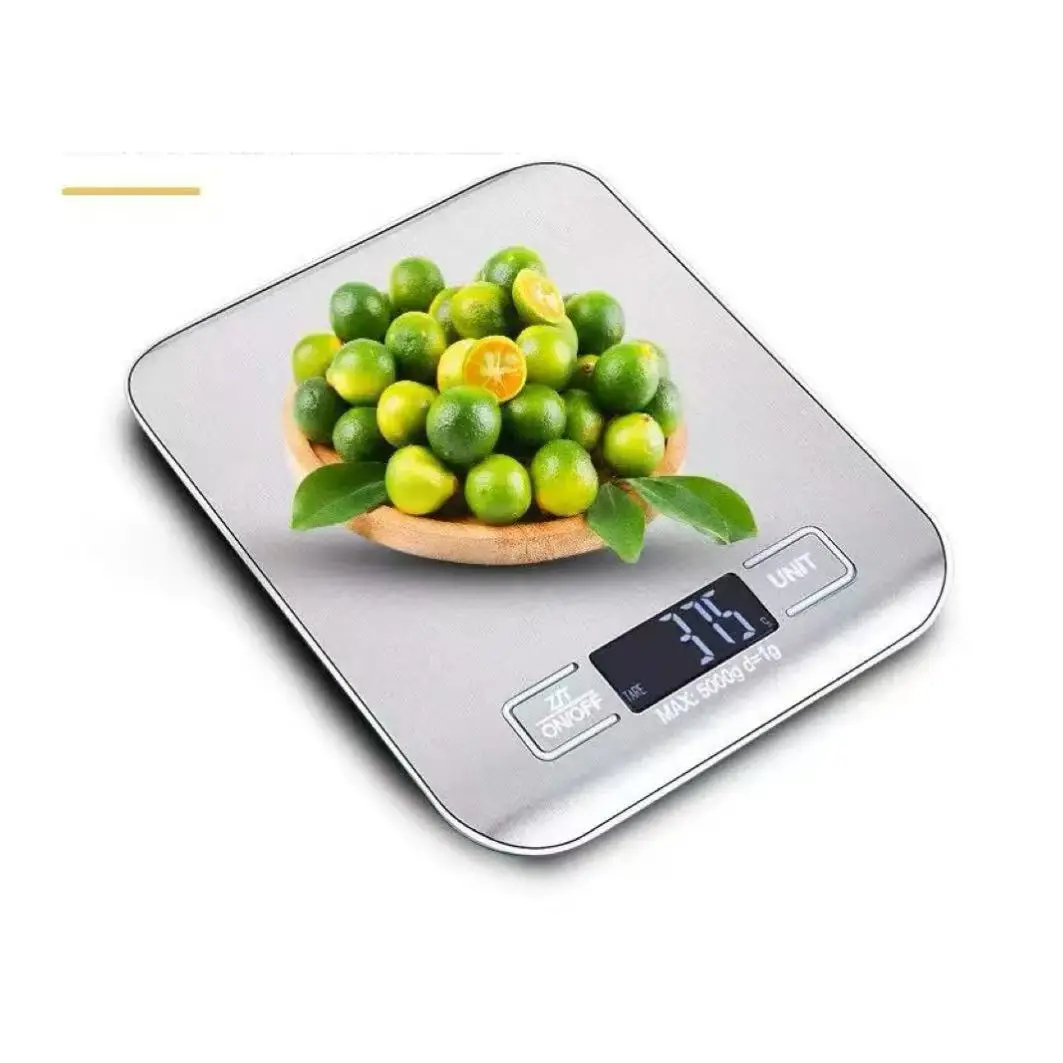
Recommended Health & Fitness Gear



FAQ: Small Habits for Weight Loss
Q: How much water should I drink daily for weight loss?
A: Individual needs vary, but aiming for 2–3 liters (8–12 cups) is a reasonable target. Start with 500 mL upon waking and adjust based on thirst, urine color, and activity level.
Q: Can small habits really make a difference if I’m not seeing the scale move?
A: Yes. Habits like improved hydration and protein intake often lead to better energy levels, reduced bloating, and improved body composition, even if the scale doesn’t reflect it immediately. Track non-scale victories like improved sleep or reduced cravings.
Q: Is it better to focus on diet or exercise for weight loss?
A: Prioritize diet for calorie control and protein intake, but don’t neglect movement. NEAT and strength training support metabolic health and appetite regulation, making them essential complements to dietary changes.
Q: How do I stay consistent with habits when life gets busy?
A: Start with one habit at a time and attach it to an existing routine (e.g., drinking water with breakfast). Use visual cues, like placing a water bottle on your desk, to reduce decision fatigue.
The Bottom Line
- Hormonal regulation: Small habits like protein pacing and hydration stabilize ghrelin, leptin, and insulin, reducing cravings and overeating.
- NEAT matters: Non-exercise activities can burn hundreds of extra calories daily without formal exercise.
- Habit stacking: Pair new behaviors with existing routines to make them effortless and sustainable.
- Sleep and stress: Poor sleep disrupts appetite hormones, while stress often leads to indirect weight gain through reduced activity and poor food choices.
- Progress over perfection: Consistency in small habits compounds over time, even if results aren’t immediately visible on the scale.
Advertising disclosure: the links below are affiliate links. We may earn a commission if you use them, at no extra cost to you. This does not change the article's content, and it is not a medical recommendation.
Browse kitchen and portion tools on Amazon
Food scales, portion containers and measuring sets, as an Amazon category search. We have not tested individual products.