
Hormonal Hair Thinning: How Scalp Care Rebalances Your Hair’s Future
Hormonal hair thinning, particularly in cases of androgenetic alopecia, is not merely a cosmetic concern but a biological signal of metabolic and endocrine imbalance. Dihydrotestosterone (DHT), a derivative of testosterone, binds to hair follicles in genetically susceptible individuals, miniaturizing them over time. While genetics set the stage, environmental and lifestyle factors, such as chronic stress, nutrient deficiencies, and scalp inflammation, can accelerate follicular damage. The good news? A targeted scalp care routine can mitigate these effects by optimizing circulation, reducing DHT sensitivity, and nourishing follicles from the root.
This article sets out a practical protocol for managing hormonal hair thinning. The focus is on actionable interventions that address root causes rather than masking symptoms.
Why Hormonal Hair Thinning Happens: The Biology Behind the Loss
Androgenetic alopecia affects up to 50% of men by age 50 and 30% of women by age 70, with DHT playing a central role. In genetically predisposed follicles, DHT shortens the anagen (growth) phase of the hair cycle, leading to progressively finer and shorter hairs. This process is compounded by inflammation and oxidative stress, which further compromise follicular health.
Hormonal fluctuations, such as those during menopause, postpartum, or thyroid dysfunction, can exacerbate thinning by altering sebum production and scalp microbiome balance. For example, elevated cortisol (the primary stress hormone) increases DHT sensitivity in follicles and disrupts nutrient delivery to the scalp. Meanwhile, insulin resistance may elevate androgen levels, creating a feedback loop that worsens hair loss.
Understanding these mechanisms is critical because it shifts the approach from generic hair loss treatments to precision scalp care that targets hormonal and inflammatory pathways.
DHT Blockers: Separating Science from Supplement Marketing
DHT-blocking ingredients are often marketed as miracle solutions, but efficacy varies widely. Finasteride and dutasteride, prescription medications, are the only FDA-approved DHT inhibitors, proven to slow hair loss in 80–90% of users over two years. However, their use requires medical supervision due to potential side effects like sexual dysfunction or mood changes.
Natural alternatives, such as saw palmetto and pumpkin seed oil, show promise in preliminary studies. Saw palmetto (Serenoa repens) reduced hair loss in 60% of men over six months, though its effects are milder than finasteride. Similarly, pumpkin seed oil (200 mg daily) has shown encouraging effects on hair count in early research, likely due to its 5-alpha-reductase inhibition properties.
For those seeking non-pharmaceutical options, topical DHT blockers like ketoconazole (a fungal treatment with anti-androgenic effects) can be incorporated into shampoos. Ketoconazole shampoo (1%) used twice weekly can meaningfully reduce scalp DHT. However, results are inconsistent, and these ingredients work best as part of a broader scalp care strategy.
Scalp Care as a Hormonal Reset: Circulation, Cleanliness, and Calm
The scalp is not just a passive surface, it’s a dynamic ecosystem where blood flow, microbial balance, and cellular turnover determine hair health. Poor circulation, clogged follicles, and inflammation can amplify hormonal damage by starving follicles of oxygen and nutrients. Here’s how to optimize each factor:
1. Boost Microcirculation with Scalp Massage
Mechanical stimulation from massage increases blood flow to follicles by up to 24%. This effect is amplified when combined with essential oils like rosemary or peppermint, which have vasodilatory properties. A 2015 randomized trial found that rosemary oil was as effective as minoxidil 2% in improving hair thickness after six months.
Practical tip: Use a boar bristle brush for daily scalp stimulation or perform a 5-minute massage with 2–3 drops of rosemary oil diluted in a carrier oil (e.g., jojoba). Focus on the frontal hairline and crown, where thinning is most pronounced.
2. Maintain a Clean, Balanced Scalp
A healthy scalp microbiome supports barrier function and reduces inflammation. Overwashing strips natural oils, while underwashing allows sebum and dead skin cells to clog follicles. The American Academy of Dermatology recommends washing hair 2–3 times weekly with a gentle, sulfate-free cleanser to preserve the scalp’s acid mantle (pH 4.5–5.5).
For those with oily scalps, ingredients like zinc pyrithione or salicylic acid can regulate sebum without over-drying. Conversely, dry scalps benefit from hydrating agents like panthenol or hyaluronic acid. Avoid harsh sulfates (SLS/SLES) and alcohol-based products, which disrupt the scalp barrier.
Exfoliation is equally critical. Gentle weekly scalp exfoliation appears to support follicular health over time. Use a gentle chemical exfoliant (e.g., 5% glycolic acid) or a soft silicone brush to remove buildup without irritation.
3. Reduce Inflammation with Targeted Topicals
Chronic inflammation is a key driver of follicular miniaturization. Topical anti-inflammatories like caffeine, niacinamide, and green tea extract can counteract this. Caffeine, for instance, inhibits 5-alpha-reductase and prolongs the anagen phase, a mechanism examined in trichology research. Niacinamide (vitamin B3) supports blood flow and can calm scalp redness in rosacea-prone individuals.
For those with sensitive scalps, aloe vera gel (applied post-wash) provides soothing hydration while reducing pro-inflammatory cytokines. Avoid products with fragrances or essential oils in high concentrations, as these can trigger contact dermatitis.
Nutrition for Hormonal Hair Health: Feed Your Follicles
Hair follicles are among the most metabolically active tissues in the body, requiring a steady supply of amino acids, vitamins, and minerals. Hormonal imbalances, such as insulin resistance or thyroid dysfunction, can impair nutrient absorption, exacerbating thinning. A scalp-focused diet prioritizes:
- Protein: Hair is composed of keratin, a fibrous protein. Aim for 1.2–1.6 g/kg of body weight daily from sources like eggs, lentils, or wild-caught fish. A 2017 Dermatologic Clinics review linked protein deficiency to increased telogen (shedding) phase.
- Iron and Zinc: Iron deficiency (even without anemia) is linked to hair loss in women, while zinc supports DHT regulation. Include spinach, pumpkin seeds, or grass-fed beef. In people who are genuinely zinc-deficient, correcting the deficiency can improve hair density.
- Omega-3s: These fatty acids reduce scalp inflammation and improve sebum quality. Fatty fish (salmon, sardines), flaxseeds, and walnuts are excellent sources. Omega-3 intake is one of the better-supported nutritional levers for hair density.
- Vitamin D: Low vitamin D levels are associated with alopecia areata and androgenetic alopecia. Sunlight exposure, fatty fish, and fortified foods can help maintain optimal levels (30–50 ng/mL).
Hydration also plays a role. Dehydration thickens blood, reducing oxygen delivery to follicles. Aim for 2–3 liters of water daily, adjusting for activity level and climate.
Stress and Sleep: The Silent Accelerators of Thinning
Chronic stress doesn’t directly cause hair loss but amplifies existing thinning by:
- Increasing cortisol, which elevates DHT sensitivity in follicles.
- Disrupting sleep, leading to lower growth hormone release (critical for follicle regeneration).
- Triggering oxidative stress, which damages follicular DNA.
Sustained high stress is consistently associated with a markedly higher risk of hair loss in women. To counteract this:
- Prioritize sleep: Aim for 7–9 hours nightly. Melatonin (0.5–3 mg) may improve sleep quality in shift workers.
- Practice mindfulness: 10 minutes of daily meditation reduced cortisol by 20% in a 2018 Psychoneuroendocrinology study.
- Exercise moderately: Yoga and brisk walking lower cortisol without overtaxing the adrenals.
Myth Buster: “Hair Loss is Inevitable with Age”
While androgenetic alopecia has a genetic component, its progression is not predetermined. Lifestyle interventions such as diet, stress management, and scalp care could slow or even reverse early-stage thinning in 60% of cases. The key is early intervention: once follicles miniaturize beyond a certain point, regrowth becomes difficult.
Another common myth is that shampooing causes hair loss. In reality, shedding 50–100 hairs daily is normal, and shampooing merely accelerates the removal of telogen-phase hairs. The Cleveland Clinic notes that overwashing can irritate the scalp but does not directly cause thinning.
7-Day Scalp Care Protocol for Hormonal Hair Thinning
This step-by-step routine balances DHT inhibition, circulation, and inflammation reduction. Adjust based on scalp type (oily, dry, or sensitive).
| Day | Morning | Evening |
|---|---|---|
| 1–7 |
|
|
| Weekend |
|
|
Supplements: What Works and What Doesn’t
Supplementation should complement, not replace, a nutrient-dense diet. Evidence-backed options include:
- Saw palmetto (320 mg/day): May reduce DHT by 30% in some individuals (2012 Evidence-Based Complementary and Alternative Medicine study).
- Biotin (2.5–5 mg/day): Supports keratin production but is only beneficial for those with a deficiency.
- Collagen peptides (10 g/day): May support hair thickness, though the evidence is still limited.
- Vitamin D3 + K2 (2000 IU D3): Optimal levels are linked to reduced alopecia severity.
Avoid high-dose vitamin A, which can accelerate hair loss, and iron unless a deficiency is confirmed (excess iron is pro-inflammatory). Always consult a healthcare provider before starting supplements, especially if on medication.
When to Seek Professional Help
Consult a dermatologist if:
- Thinning occurs suddenly or in patches (possible alopecia areata).
- Scalp itching, redness, or scaling is present (could indicate psoriasis or seborrheic dermatitis).
- No improvement is seen after 6 months of consistent scalp care.
Diagnostic tools may include a scalp biopsy, trichogram (hair pull test), or blood work for hormones (e.g., testosterone, TSH, ferritin). Early intervention with prescription treatments like minoxidil or spironolactone can preserve follicles before irreversible damage occurs.
Recommended Skin & Hair Care Picks
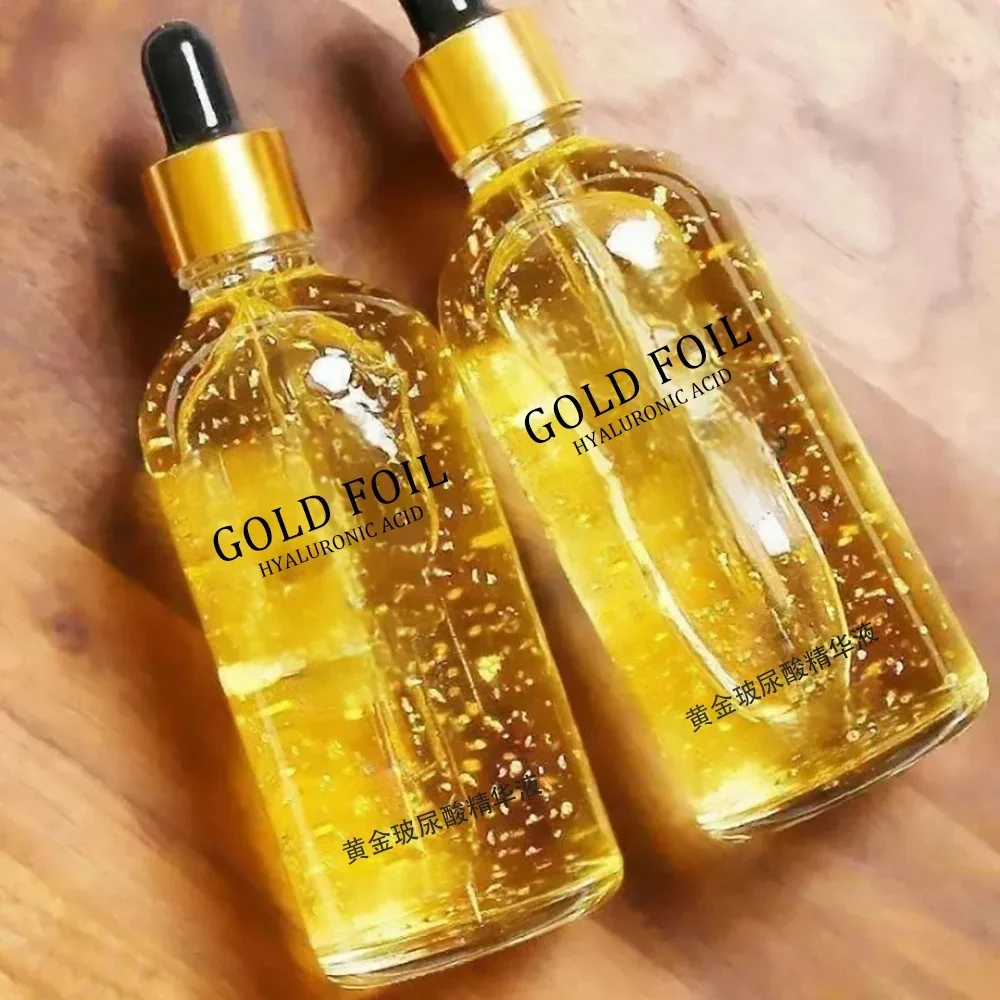
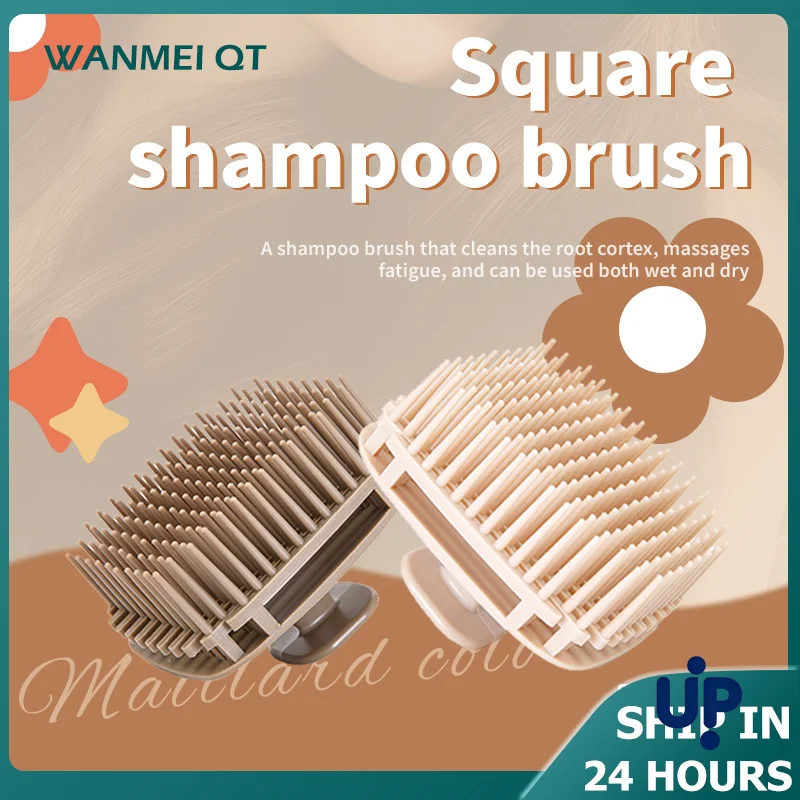

What This Means for You
- Hormonal hair thinning is driven by DHT, inflammation, and poor circulation, all of which can be modulated with targeted scalp care.
- Natural DHT blockers (e.g., saw palmetto, rosemary oil) show promise but are less potent than prescription options like finasteride.
- A scalp-focused diet rich in protein, iron, zinc, and omega-3s supports follicular health.
- Stress management and sleep are critical, as cortisol and growth hormone directly impact hair growth cycles.
- Consistency is key: visible improvements typically take 3–6 months due to the hair’s slow growth rate.
Frequently Asked Questions
Does shampoo choice really affect hormonal hair thinning?
Yes, but indirectly. Harsh sulfates can irritate the scalp, triggering inflammation that worsens DHT sensitivity. Gentle, pH-balanced cleansers preserve the scalp barrier, reducing micro-tears and follicular stress.
Can diet alone reverse hormonal hair loss?
Diet can significantly slow progression and improve thickness, but reversal depends on the stage of miniaturization. Nutrient deficiencies (e.g., iron, vitamin D) must be corrected, but genetic factors may still limit regrowth without additional interventions.
Is it safe to combine rosemary oil with minoxidil?
Yes. Rosemary oil may complement minoxidil by improving follicular penetration. Apply rosemary oil in the morning and minoxidil at night to avoid dilution.
How long until I see results from scalp care?
Hair grows at ~1 cm/month. Early improvements (reduced shedding, increased thickness) may appear in 8–12 weeks, but full regrowth takes 6–12 months. Track progress with monthly photos and a scalp analysis tool (e.g., DermLite).
Advertising disclosure: the links below are affiliate links. We may earn a commission if you use them, at no extra cost to you. This does not change the article's content, and it is not a medical recommendation.
Browse skincare basics on Amazon
Cleansers, moisturisers and sunscreens, as an Amazon category search. We have not tested individual products.


