
Why Retinol Doesn’t Have to Mean Peeling or Purge
Retinol remains the gold standard for skin renewal, but its reputation for causing irritation, peeling, and a temporary “purge” deters many beginners. These reactions are not inevitable. With the right introduction strategy, most people can incorporate retinol without visible downtime. The key lies in understanding the difference between retinol-induced irritation and retinol-induced purging, then adjusting frequency, formulation, and application accordingly.
According to the American Academy of Dermatology, irritation from retinol typically presents as redness, dryness, or stinging within hours of application. Purging, however, occurs when retinol accelerates cell turnover, bringing underlying clogged pores to the surface. This usually appears as small whiteheads or blackheads in areas prone to breakouts, not widespread flaking or redness. Proper differentiation prevents premature abandonment of a beneficial ingredient.
Start Slow: The 14-Day Retinol Introduction Protocol
Gradual escalation is the safest path to retinol tolerance. A structured two-week ramp-up minimizes irritation while allowing skin to adapt. Below is a step-by-step plan that balances efficacy with safety.
Week 1: Build Tolerance
- Days 1–3: Apply a pea-sized amount of a low-strength retinol (0.025% to 0.05%) to clean, dry skin 20 minutes after washing. Avoid areas around eyes, lips, and nostrils. Use only two evenings this week.
- Days 4–7: If no visible redness or stinging occurs, increase to three applications. Apply a thin layer over the entire face, avoiding sensitive zones. Use a fragrance-free moisturizer afterward to buffer.
Week 2: Increase Frequency and Strength
- Days 8–10: If skin remains calm, switch to a mid-strength formulation (0.1% to 0.3%) two nights in a row. Apply after moisturizer (the “sandwich method”) to reduce direct contact with skin.
- Days 11–14: If no irritation develops, use the mid-strength retinol three nights per week. Alternate with nights off to allow recovery.
This protocol prioritizes barrier preservation. According to the Cleveland Clinic, maintaining the skin barrier during retinol use reduces inflammation and accelerates long-term tolerance.
Choose the Right Formula for Your Skin Type
Not all retinols are equal. Sensitivity, skin type, and climate influence which formulation delivers results without disruption.
For Sensitive or Dry Skin
Opt for encapsulated retinol or retinyl esters. These release slowly, reducing peak irritation. Look for supportive ingredients like niacinamide, ceramides, and squalane. Avoid alcohol-based toners or astringents during the introduction phase.
For Oily or Acne-Prone Skin
A gel-based or water-soluble retinol penetrates without clogging pores. Start with a 0.025% concentration and pair with a lightweight, non-comedogenic moisturizer. Gel formulations enhance efficacy in acne-prone skin while minimizing flaking.
Avoid These Common Mistakes
- Mixing retinol with vitamin C or AHAs/BHAs in the same routine. Alternate nights or use vitamin C in the morning, retinol at night.
- Applying retinol to wet skin. Water increases penetration and irritation risk.
- Skipping moisturizer. A lipid-rich moisturizer applied 10 minutes after retinol supports barrier repair.
Myth: Retinol Always Causes a Purge
This misconception stems from conflating purging with irritation. Purging is a controlled acceleration of cell turnover that typically resolves within 4 to 6 weeks. It appears as small, uniform bumps in areas with active breakouts. Irritation, by contrast, causes widespread redness, burning, or flaking within 24 hours. True purging is a sign the ingredient is working, not a reason to stop.
If redness or stinging persists beyond 48 hours, reduce frequency or switch to a lower concentration. The goal is not to eliminate all reaction, but to distinguish between productive renewal and harmful inflammation.
Troubleshooting: When to Pause or Adjust
Even with careful introduction, some reactions occur. Use this checklist to respond appropriately.
Red Flags and Responses
- Mild stinging after application: Apply a bland moisturizer immediately. Skip the next night and resume at a lower frequency.
- Visible flaking or tightness: Pause for 3–4 days. When restarting, apply retinol over moisturizer and reduce strength.
- Persistent redness beyond 72 hours: Discontinue use. Switch to a retinol alternative like bakuchiol for 2 weeks, then reintroduce at a lower dose.
- Breakouts worsening after 6 weeks: Reassess formulation. A cream-based retinol with soothing agents may be better tolerated than a gel.
Long-Term Retinol Strategy: Beyond the First Month
Once tolerance is established, focus shifts from avoidance to optimization. Increase strength gradually, no more than once every 4 weeks. Introduce retinol into a full skincare routine that includes SPF 30+ daily, as retinol increases photosensitivity. According to the AAD, daily sunscreen use is non-negotiable when using retinol to prevent hyperpigmentation and collagen degradation.
Consider alternating high-strength nights with low-strength nights to maintain progress without overloading the skin. For example, use 0.3% retinol twice weekly and 0.05% on other nights. This approach preserves results while minimizing cumulative irritation.
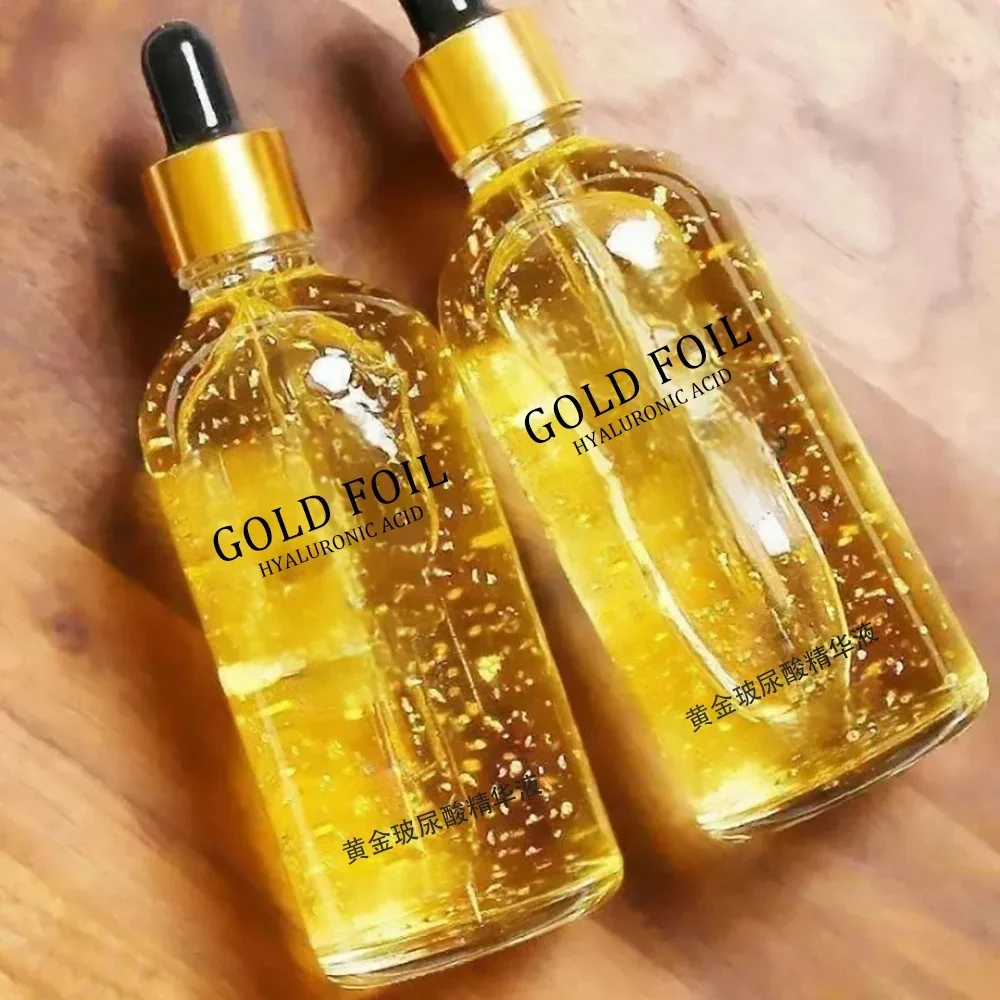
Recommended Skin & Hair Care Picks

FAQ: Retinol Without the Drama
Can I use retinol every night once I’m used to it?
Most people reach a plateau of tolerance at 3 to 4 nights per week. Using it nightly can compromise the skin barrier, especially in dry or sensitive types. A rotating schedule often yields better long-term results.
Is it okay to mix retinol with hyaluronic acid?
Yes. Hyaluronic acid is a humectant that draws water into the skin and can counteract dryness. Apply it before retinol to hydrate the surface, or layer it over retinol after 20 minutes to soothe.
How long does the purging phase last?
Purging typically resolves within 4 to 6 weeks if the skin is adapting well. If breakouts persist beyond 8 weeks or worsen, discontinue use and consult a dermatologist.
Can I use retinol in the morning?
No. Retinol degrades in sunlight, reducing efficacy. Always apply it at night. If using vitamin C in the morning, apply it after cleansing and before sunscreen.
The Short Version
- Retinol irritation and purging are distinct. Irritation is immediate and inflammatory; purging is delayed and localized.
- A 14-day ramp-up from low strength and low frequency minimizes adverse reactions.
- Encapsulated or ester-based retinols are gentler for sensitive skin.
- Always pair retinol with daily SPF to prevent sun damage.
- Adjust frequency and strength based on visible tolerance, not a fixed schedule.
Advertising disclosure: the links below are affiliate links. We may earn a commission if you use them, at no extra cost to you. This does not change the article's content, and it is not a medical recommendation.
Browse skincare basics on Amazon
Cleansers, moisturisers and sunscreens, as an Amazon category search. We have not tested individual products.


