Why Hooded Eyes Make Eyeliner a Challenge, and How Science Can Help
Hooded eyes, characterized by a brow bone that naturally folds over the eyelid when eyes are open, present a unique anatomical challenge for eyeliner application. Unlike non-hooded eyes, where the lid remains fully exposed, the hooded lid creates a moving target for precision makeup. This isn’t merely an aesthetic concern, it’s a structural one. The skin of the eyelid is among the thinnest on the body, with fewer collagen fibers and a higher density of sebaceous glands, making it more prone to creasing, smudging, and uneven wear. The U.S. FDA emphasizes that cosmetic formulations must account for these biological vulnerabilities, particularly in products designed for delicate areas like the eyes.
For those with hooded eyes, the goal isn’t just to apply eyeliner, it’s to apply it in a way that stays visible and sharp despite the lid’s natural movement. This requires understanding the interplay between eyelid anatomy, product chemistry, and application technique. Below, we break down the science-backed strategies to achieve flawless, smudge-proof eyeliner without the daily struggle.
Anatomy of the Hooded Eye: What’s Working Against You
The eyelid is a dynamic structure, composed of multiple layers: the epidermis, dermis, and a thin layer of muscle (the orbicularis oculi). In hooded eyes, the tarsal plate, a dense connective tissue that gives the lid its shape, sits closer to the brow bone. When the eye opens, this plate folds downward, partially obscuring the lid. This folding action creates friction between the eyeliner and the moving skin, accelerating product breakdown. Additionally, the increased surface area of the hooded lid means more exposure to environmental stressors like humidity, temperature changes, and friction from blinking.
Sebaceous glands in the eyelid secrete oils that can destabilize water-based or cream-based liners, while the thinner skin is more susceptible to irritation from alcohol or fragrances in some formulas. WebMD notes that sensitive skin around the eyes is more prone to reactions from preservatives and emulsifiers, which are common in liquid and gel liners. These factors collectively explain why hooded eyes often struggle with eyeliner longevity.
Product Chemistry: Choosing the Right Eyeliner for Hooded Eyes
Not all eyeliners are created equal, and hooded eyes demand formulas that prioritize adhesion and resistance to mechanical stress. Here’s what to look for:
- Gel or Cake Liners: These anhydrous (water-free) formulas rely on waxes and polymers for adhesion, reducing the risk of smudging from oil secretion. Their thicker consistency also helps them grip the lid despite movement.
- Waterproof and Smudge-Proof Labels: These terms indicate that the product has been tested for resistance to water, sweat, and friction. Look for formulations with synthetic waxes (e.g., carnauba or candelilla) and silicone derivatives (e.g., dimethicone), which create a flexible yet durable film.
- Dermatologist-Approved Options: Products labeled as such have undergone patch testing and are formulated without common irritants like parabens, fragrances, or high concentrations of alcohol. The Cleveland Clinic advises consumers to check ingredient lists for known allergens, especially in products applied near the eyes.
Conversely, avoid:
- Water-Based Liners: These rely on water as a primary solvent, which evaporates quickly and leaves the liner vulnerable to oil and friction.
- High-Alcohol Formulas: While alcohol can help liners dry faster, it also strips the skin’s natural barrier, increasing irritation and reducing wear time.
- Loose Powders or Shadows: These lack the binding agents necessary to adhere to moving skin, leading to creasing and fading.
Step-by-Step: The Science-Backed Eyeliner Routine for Hooded Eyes
Achieving sharp, long-lasting eyeliner on hooded eyes requires a methodical approach that accounts for eyelid movement and skin biology. Follow this protocol for optimal results:
1. Prep the Eyelid: A Barrier for Longevity
Before applying eyeliner, the eyelid must be primed to enhance adhesion and reduce oil interference. Start with a gentle, oil-free cleanser to remove debris and excess sebum. Next, apply a thin layer of eyeshadow primer or a silicone-based eyelid primer. These primers fill in minor creases and create a smooth, slightly tacky surface for the liner to cling to. Avoid heavy creams or oils, which can destabilize the liner.
2. Position the Eyelid: The Key to Visibility
Hooded eyes require a strategic approach to eyeliner placement. Instead of drawing the line directly on the lid, apply it to the crease or slightly above it. This ensures the liner remains visible even when the lid folds downward. To find the optimal placement:
- Look straight ahead in a mirror.
- Gently lift the outer corner of your eyebrow upward to expose the hidden lid space.
- Apply the liner along the natural crease line, or slightly above it, depending on your eye shape.
For a winged effect, extend the liner upward toward the outer corner of the eye, angling it slightly to follow the natural curvature of the brow bone.
3. Application Technique: Precision Over Pressure
Use a fine-tip gel liner or a cake liner with a small brush for controlled application. Hold the brush perpendicular to the eyelid to create a sharp line, then tilt it slightly to refine the shape. For hooded eyes, a back-and-forth motion (rather than a single stroke) helps build opacity without tugging the skin. If using a liquid liner, allow the first layer to dry completely before adding a second, thinner layer to prevent cracking.
4. Setting the Liner: Locking It in Place
After application, set the liner with a translucent powder or a setting spray formulated for eyes. Lightly dust powder over the liner using a fluffy brush, focusing on the areas most prone to movement (e.g., the outer corner). Alternatively, hold a setting spray 8–10 inches from the face and mist lightly to create a protective film. Avoid heavy powders, which can emphasize texture and creasing.
5. Post-Application Care: Minimizing Friction
To extend wear time, avoid rubbing the eyes or applying heavy creams near the liner. If the liner begins to smudge, resist the urge to touch it, instead, gently blot with a cotton swab dipped in micellar water or a dermatologist-approved eye makeup remover. The FDA recommends using products specifically formulated for eye makeup removal to avoid irritation.
Troubleshooting Protocol: Fixing Common Hooded-Eye Eyeliner Issues
Even with the right technique, hooded eyes can present challenges. Use this step-by-step guide to diagnose and correct issues:
| Issue | Possible Cause | Solution |
|---|---|---|
| Liner disappears when eyes open | Applied too low on the lid; lid folds over the line. | Reposition the liner 1–2 mm above the natural crease. |
| Liner smudges within hours | Formula too thin or skin too oily; primer not used. | Switch to a gel or cake liner; reapply primer; set with powder. |
| Liner creases after a few hours | Product incompatible with lid movement; poor setting. | Use a silicone-based primer; set with a translucent powder. |
| Liner tugs or pulls skin | Formula too dry or brush too stiff; skin dehydrated. | Switch to a creamy gel liner; apply a hydrating eye cream before primer. |
Myth Busting: Dispelling Hooded-Eye Eyeliner Misconceptions
Myth: Winged eyeliner is impossible with hooded eyes.
This is false. The key is placement. Instead of drawing the wing on the lid, extend it upward along the brow bone, where it will remain visible even when the lid folds. Use a thin brush and a steady hand to create a subtle flick, then connect it to the liner at the outer corner. For extra precision, apply a piece of surgical tape as a guide before drawing the wing.
Myth: Waterproof liners are always the best choice for hooded eyes.
While waterproof liners offer superior longevity, they can be difficult to remove and may irritate sensitive skin. Hooded eyes benefit more from smudge-proof formulas, which provide resistance to friction without the harsh ingredients found in many waterproof products. Always follow up with a gentle eye makeup remover to avoid tugging the delicate skin.
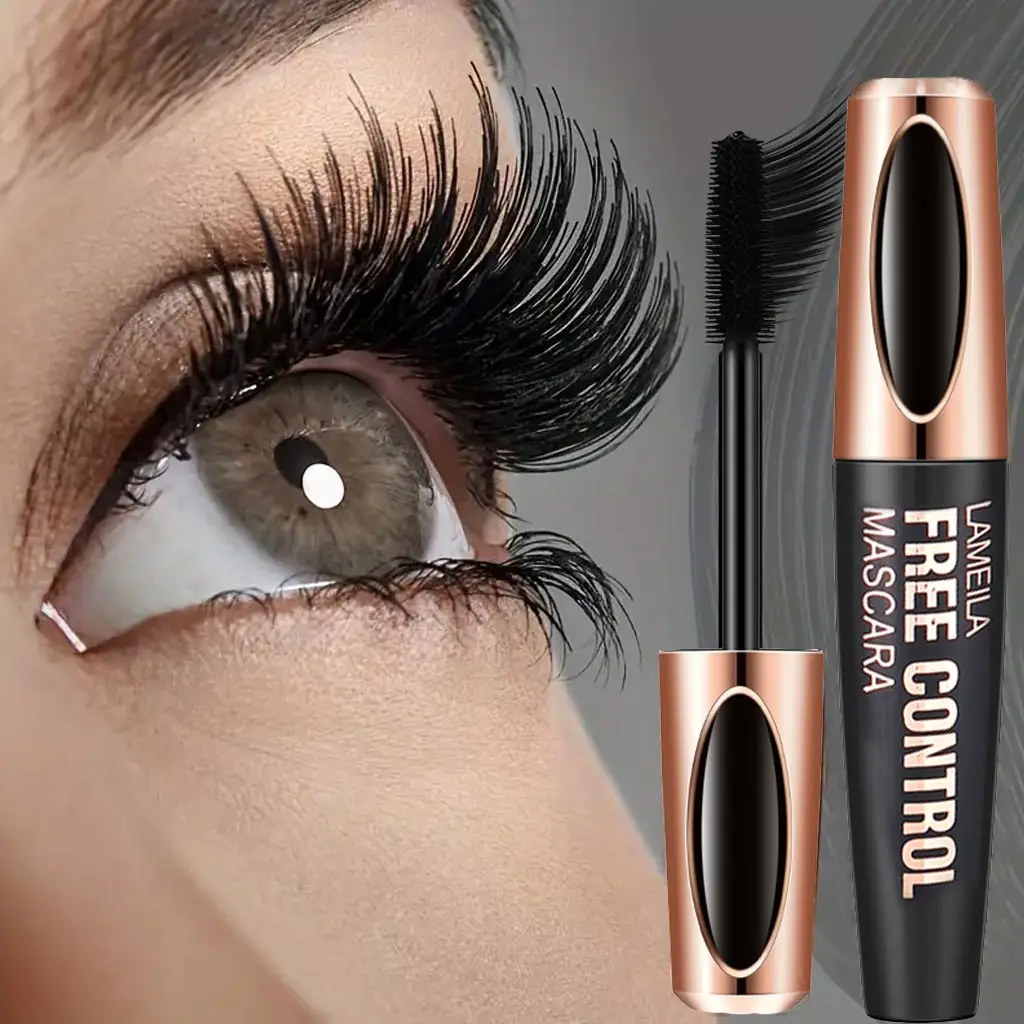
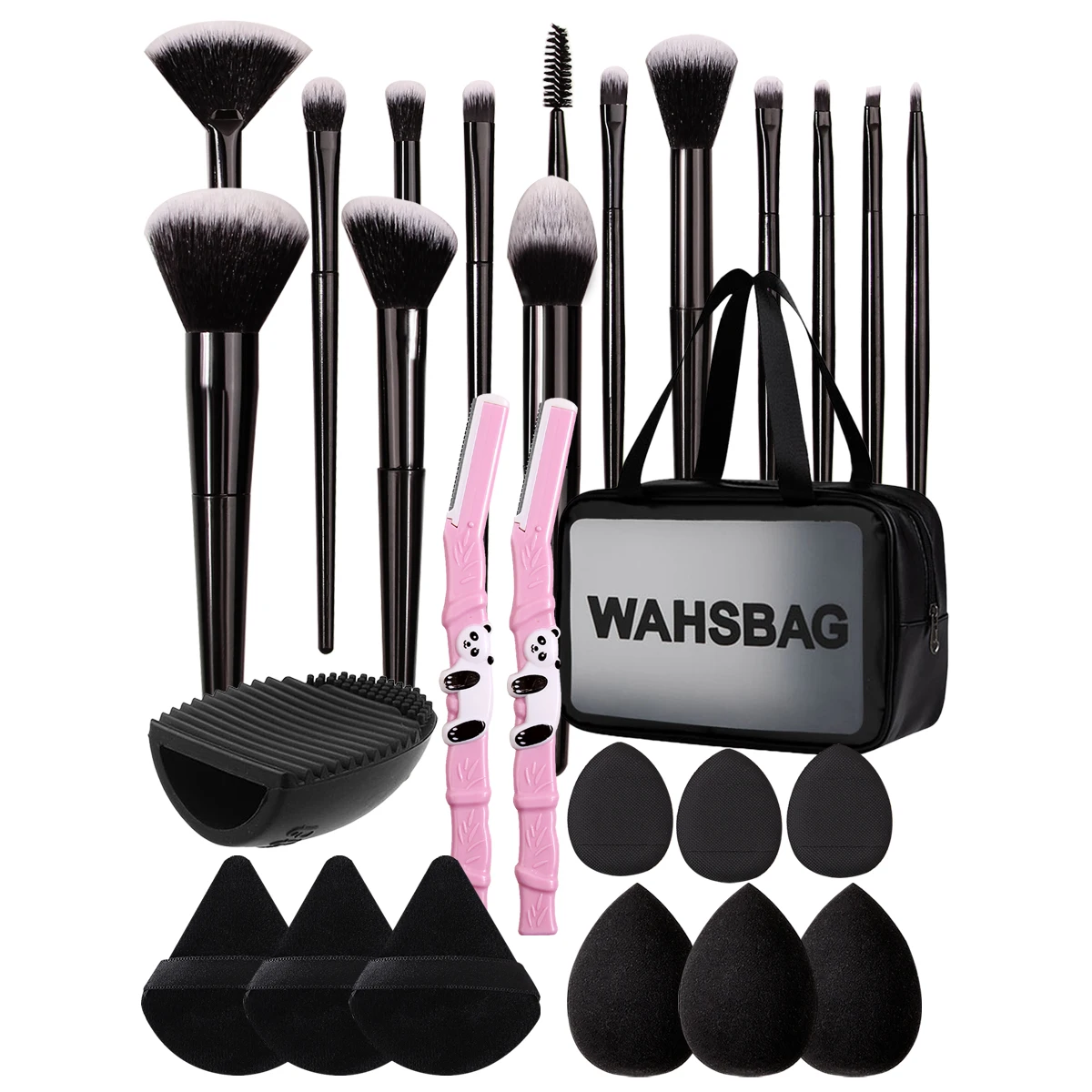
Recommended Makeup Tools

7-Day Action Plan: Mastering Sharp Eyeliner for Hooded Eyes
Consistency is key to refining your technique. Follow this structured routine to build confidence and improve results over time:
| Day | Focus | Action Steps |
|---|---|---|
| Days 1–2 | Prep and Position | Practice eyelid lifting to identify the optimal liner placement. Use a pencil liner for easier correction. |
| Days 3–4 | Product Testing | Test 2–3 gel or cake liners to determine which formula adheres best to your lid. Note wear time and comfort. |
| Days 5–6 | Technique Refinement | Apply liner with a fine brush, focusing on controlled strokes. Experiment with wing placement along the brow bone. |
| Day 7 | Full Routine | Combine all steps: primer, liner, setting powder, and post-care. Evaluate results and adjust as needed. |
FAQ: Your Top Hooded-Eye Eyeliner Questions Answered
Q: Can I use liquid eyeliner with hooded eyes?
A: Yes, but opt for a flexible formula designed for sensitive eyes. Apply in thin layers and allow each to dry fully before adding a second. Avoid pulling the skin taut, as this can cause tugging and irritation.
Q: How do I prevent eyeliner from transferring to my under-eye area?
A: Use a long-wear, transfer-resistant primer on the under-eye area as well. Avoid heavy concealers, which can cause smudging. If transfer occurs, set the liner with a translucent powder before applying concealer.
Q: Is there a specific brush that works best for hooded eyes?
A: A small, angled synthetic brush or a gel liner brush with firm bristles offers the best control. Avoid overly soft or fluffy brushes, which can distort the line.
Q: How often should I replace my eyeliner?
A: Replace gel or cake liners every 3–6 months, or sooner if the formula changes consistency. Liquid liners should be replaced every 3 months to prevent bacterial growth.
The Science of Sharp Eyeliner for Hooded Eyes
- The eyelid’s thin skin and dynamic movement make hooded eyes prone to eyeliner smudging and creasing.
- Gel and cake liners, with their wax and silicone-based formulas, offer superior adhesion compared to water-based options.
- Proper prep, using a silicone-based primer and setting with powder, enhances longevity by reducing oil interference and friction.
- Placement is critical: apply liner above the natural crease to ensure visibility when the lid folds.
- Waterproof liners aren’t always the best choice; smudge-proof formulas may be gentler and more effective for sensitive skin.
By understanding the biological and chemical factors at play, you can transform eyeliner from a daily struggle into a seamless, long-lasting routine. The right products, technique, and consistency are the foundation of sharp, flawless results.
Related reading
Advertising disclosure: the links below are affiliate links. We may earn a commission if you use them, at no extra cost to you. This does not change the article's content, and it is not a medical recommendation.
Browse makeup essentials on Amazon
Mineral foundations, brushes and makeup primers, as an Amazon category search. We have not tested individual products.