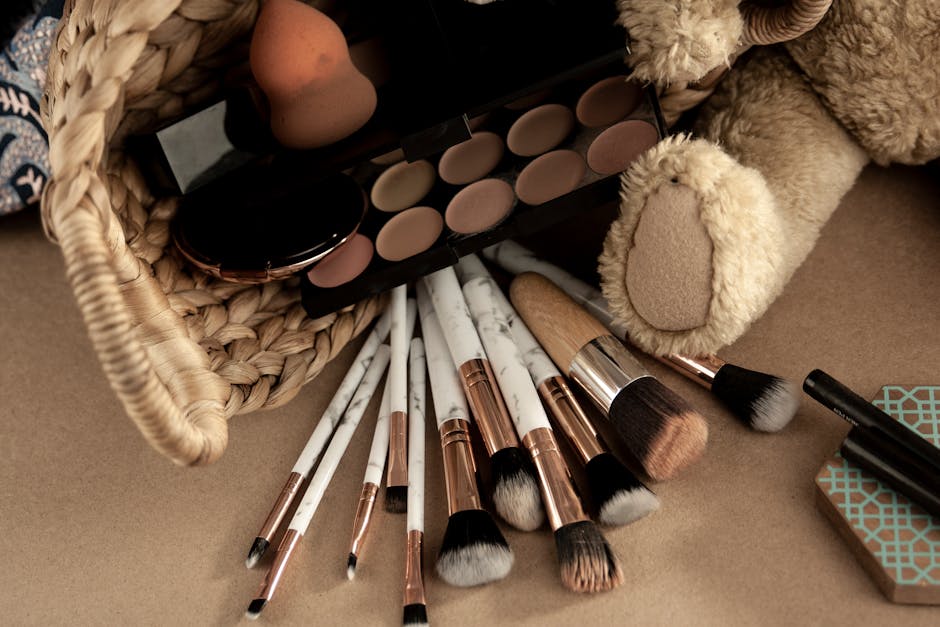
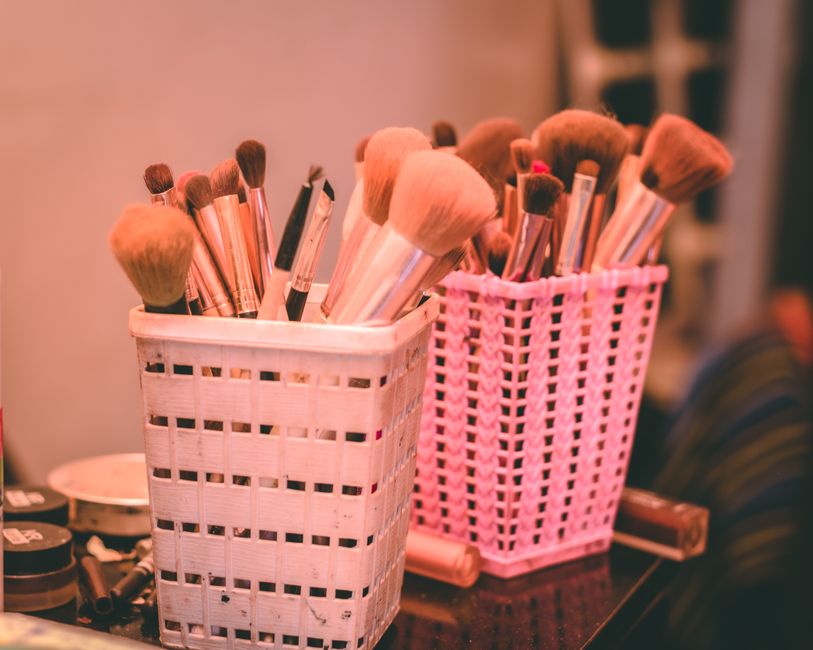
Understanding Hooded Lids: A Structural Perspective
For many, the structure of the eyelid presents a unique challenge in makeup application: the hooded lid. This anatomical feature occurs when a fold of skin from the brow bone partially or fully covers the mobile eyelid. The result? Applied eyeshadow can disappear into this fold, and eyeliner might seem to vanish once the eye is open. This isn't a flaw; it's simply a common variation in eyelid anatomy, requiring a nuanced approach to makeup that emphasizes strategic placement and optical illusion.
The goal isn't to erase the hooded lid, but to understand its contours. We aim to create the appearance of more open space and defined shape, using light, shadow, and texture. This requires precision. It also demands an understanding of how colors and lines interact with the natural architecture of the eye area.
The Foundation: Preparing Your Canvas
Effective makeup begins with proper preparation. The delicate skin around the eyes benefits greatly from a clean, hydrated base. Begin with a gentle cleanse and a lightweight, non-comedogenic eye cream. Allow it to absorb fully. This creates a smooth surface for product application, helping everything adhere better and last longer. The American Academy of Dermatology offers comprehensive guidance on fundamental skin care practices.
Following skin preparation, an eyelid primer becomes indispensable. A quality primer neutralizes any discoloration on the lid, provides a tacky surface for eyeshadow, and crucially, helps prevent creasing and fading throughout the day. This is particularly important for hooded eyes, where skin-on-skin contact from the fold can hasten product breakdown. Selecting a primer that matches your skin tone or is translucent generally yields the most natural effect.
It is always prudent to choose cosmetic products carefully. Check ingredient lists for known allergens. If you experience irritation, discontinue use immediately. The U.S. Food and Drug Administration provides valuable resources on safe cosmetic use and identifying common allergens in cosmetics.
Strategic Eyeshadow Placement: Crafting Illusion
The core of hooded eye makeup lies in shadow placement. Because the mobile lid recedes, traditional eyeshadow application often misses its mark. Instead, we expand the perceived lid space upwards.
Defining the Crease and Beyond
Identify your natural crease. It’s the fold where your eyelid meets your brow bone. For hooded eyes, this fold is often obscured. Our technique is to create a 'new', higher crease above the natural one. Using a matte, neutral transition shade (a medium brown or taupe), apply it slightly above where your natural crease would be visible when your eye is open. Blend this shade upwards and outwards, softening the edges. This extends the perceived depth. A fluffy blending brush is essential for seamless diffusion.
Next, introduce a deeper matte shade into this 'new' crease line. Focus the color on the outer corner, sweeping it inward along the created crease line. This adds dimension. It also pulls the eye outward visually, rather than allowing the hooded fold to dominate.
Illuminating the Mobile Lid and Inner Corner
With the deeper shades defining the outer structure, it is time to bring forward the actual mobile lid. Apply a lighter, shimmery, or satin eyeshadow directly onto the visible portion of your mobile eyelid. This brightens the area, making it appear more expansive. Pat the color on rather than sweeping, to ensure maximum intensity.
A touch of the same light, shimmery shade in the inner corner of the eye can further open the area. A small, precise brush is best for this application. This simple step brightens the entire eye area, drawing light inward.
Eyeliner Techniques: Defining Without Disappearing
Eyeliner application for hooded eyes requires adaptation. A thick line can completely disappear into the hood when the eyes are open. The solution lies in precision and strategic shaping.
The 'Tightline' and Invisible Eyeliner
Focus on tightlining. Apply a waterproof pencil liner to your upper waterline, underneath your lashes. This darkens the lash line at its root, creating an illusion of thicker lashes without consuming precious lid space. This technique offers definition without the risk of transfer.
For visible liner, keep it thin. Use a fine-tipped liquid or gel liner. Apply a very thin line as close to the upper lash line as possible. When you reach the outer corner, instead of following the natural curve of your eye downwards, angle the line slightly upwards. This lifts the eye visually. Practice helps. Some individuals find drawing a small dot where they want the wing to end, and then connecting it back to the lash line, simplifies the process.
Mascara and Lashes: Opening Up the Eye
Mascara is a powerful tool for opening the eye. Focus on lifting and separating the lashes. Begin by curling your lashes thoroughly. A good quality lash curler can make a significant difference.
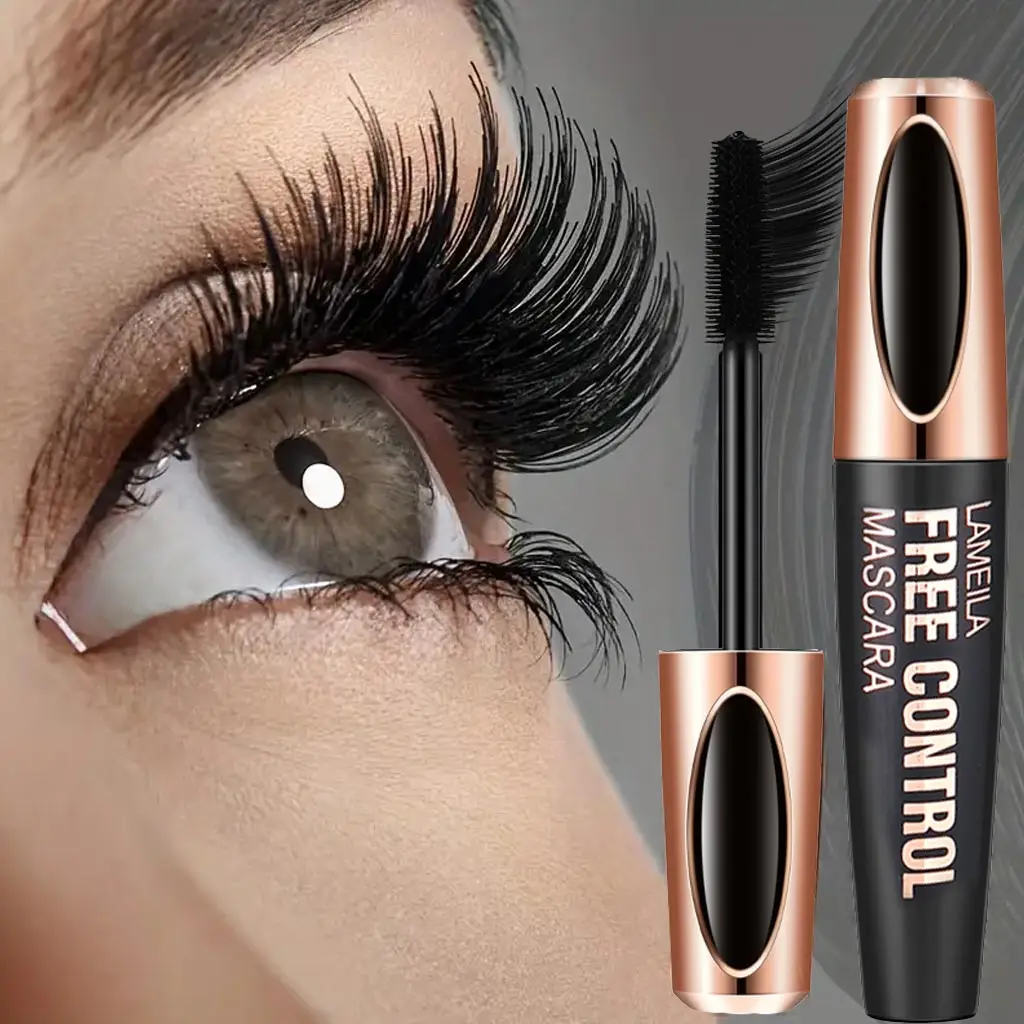
Apply several coats of lengthening and volumizing mascara, paying particular attention to the base of the lashes and the outer corners. This draws the eye upward and outward. Waterproof formulas can be beneficial, preventing smudging or transfer onto the hooded area. Consider individual false lashes on the outer corners for added lift and drama, if desired.
Common Misconceptions in Hooded Eye Makeup
Many common makeup applications simply do not translate effectively to hooded eyes. Understanding these differences prevents frustration.
- Myth: A thick winged liner always makes eyes look bigger. For hooded eyes, a thick wing can disappear or look heavy. A thinner, upward-angled wing is often more flattering, allowing the eye to appear more open without being overshadowed.
- Myth: Always apply darkest shadow in the crease. While true for some eye shapes, simply applying shadow to the anatomical crease of a hooded eye often means it vanishes. Creating a visible crease above the natural one is the key to creating depth and dimension that can actually be seen.
- Myth: Rely solely on light colors to brighten. While light, shimmery shades are important for the mobile lid, an entire light-colored eye look can lack definition. The interplay of light and carefully placed deeper matte shades is what truly sculpts the hooded eye.
A Step-by-Step Approach for a Refined Look
For a reliable, polished eye makeup application, follow these steps:
- Prep the Eye: Cleanse, moisturize, and apply an eyelid primer across the entire lid, extending up to the brow bone.
- Establish the Transition: With a fluffy brush, apply a matte, neutral transition shade slightly above your natural crease, blending upwards and outwards.
- Define the Crease: Using a slightly smaller brush, apply a deeper matte shade into this 'new' crease line, focusing on the outer corner and blending softly inward.
- Brighten the Lid: Pat a light, shimmery, or satin shade onto the visible mobile eyelid and into the inner corner.
- Tightline: Apply a waterproof pencil to the upper waterline for subtle definition.
- Eyeliner (Optional): If desired, draw a very thin liquid or gel line along the upper lash line, with a short, upward-angled wing at the outer corner.
- Curl and Mascara: Curl lashes vigorously. Apply multiple coats of volumizing and lengthening mascara, emphasizing upward lift.
Troubleshooting Your Eye Makeup
Even with careful application, issues can arise. Here are some common problems and practical solutions:
- Shadow Creasing: Ensure you are using an effective eyelid primer. Also, apply thinner layers of cream or liquid eyeshadows. Setting cream products with a translucent powder can also prevent movement.
- Eyeliner Smudging: Opt for waterproof or long-wear eyeliner formulas. Allow liquid liner to dry completely before opening your eye fully.
- Shadow Disappearing: Your application point for deeper crease shades might be too low. Remember to apply shades slightly above where your natural crease appears when your eyes are open. Practice looking straight ahead into a mirror while applying.
- Eyes Looking Smaller: You might be using too many dark shades without sufficient contrast. Ensure enough bright, light shimmer is on the mobile lid and inner corner to balance the depth created by darker shades.
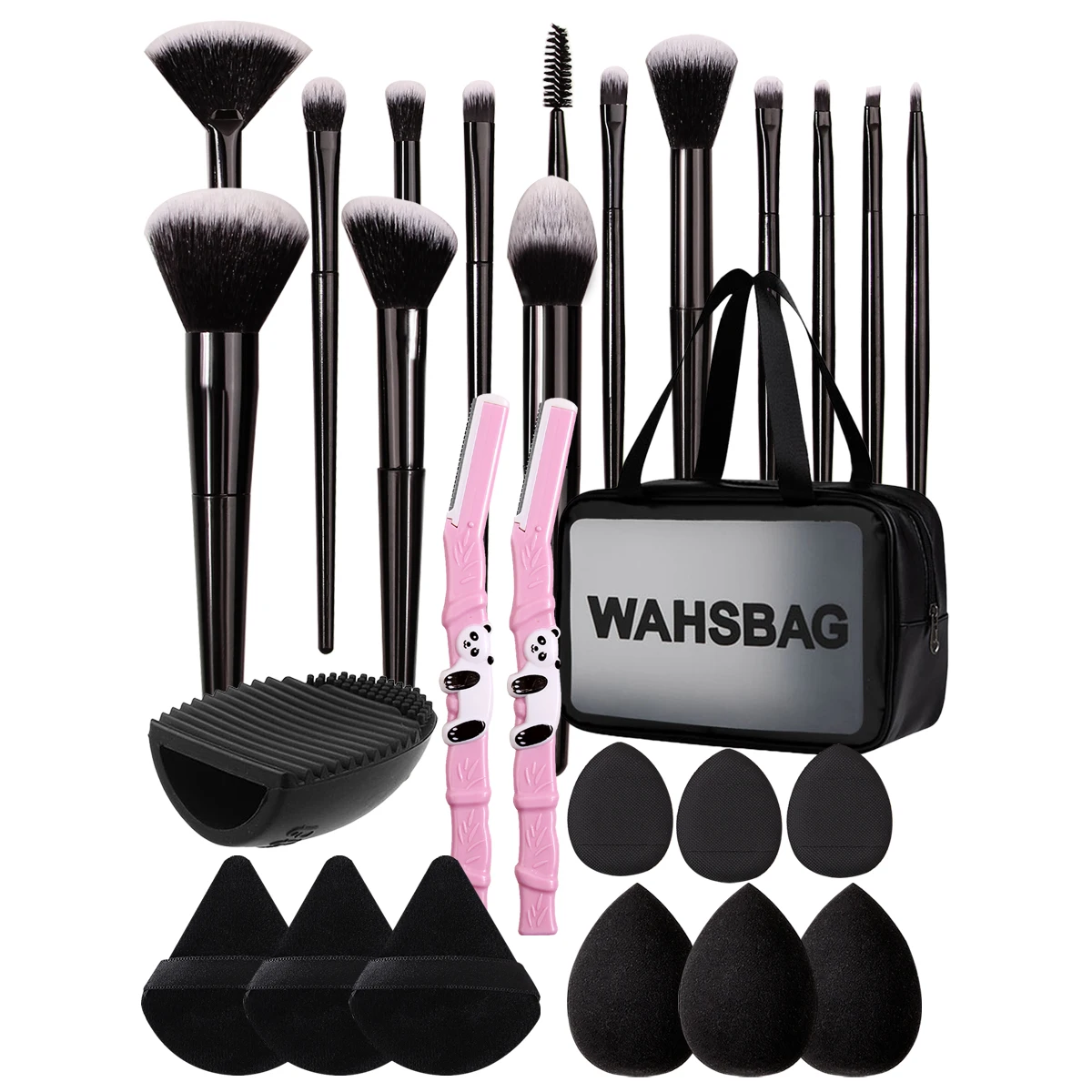
Recommended Makeup Tools

Frequently Asked Questions
Can I wear dramatic eyeliner with hooded eyes?
Yes, but the approach differs. Instead of a thick line across the entire lid, focus on tightlining and a precise, thin, upward-angled wing that extends past the hood. This creates definition without being obscured.
What eyeshadow finishes work best for hooded eyes?
Matte shades are excellent for defining the 'new' crease and adding depth without accentuating the fold. Shimmer or satin finishes are ideal for the mobile lid and inner corner, as they catch light and create the illusion of more space.
Should I avoid certain colors?
No colors are inherently off-limits. The key is placement. Deeper, cool-toned matte shades often recede, making them good for creating depth. Lighter, brighter shades draw attention, making them suitable for the mobile lid.
A Refined Perspective
Mastering eye makeup for hooded lids is a skill developed through understanding and practice. It involves adapting conventional techniques to suit a unique anatomical feature, transforming potential challenges into opportunities for sophisticated, visually impactful looks. By focusing on strategic placement, thoughtful blending, and high-quality products, anyone with hooded eyes can achieve a defined, lifted, and elegantly enhanced appearance.
Further Reading from Health Authorities
How this article was made
Researched and drafted with AI assistance, then screened by automated checks for originality, exaggerated claims and structure before publishing. No clinician reviewed it, and it is general information rather than medical advice. Read more at About us, or write to us if you spot an error.
Advertising disclosure: the links below are affiliate links. We may earn a commission if you use them, at no extra cost to you. This does not change the article's content, and it is not a medical recommendation.
Browse makeup essentials on Amazon
Mineral foundations, brushes and makeup primers, as an Amazon category search. We have not tested individual products.