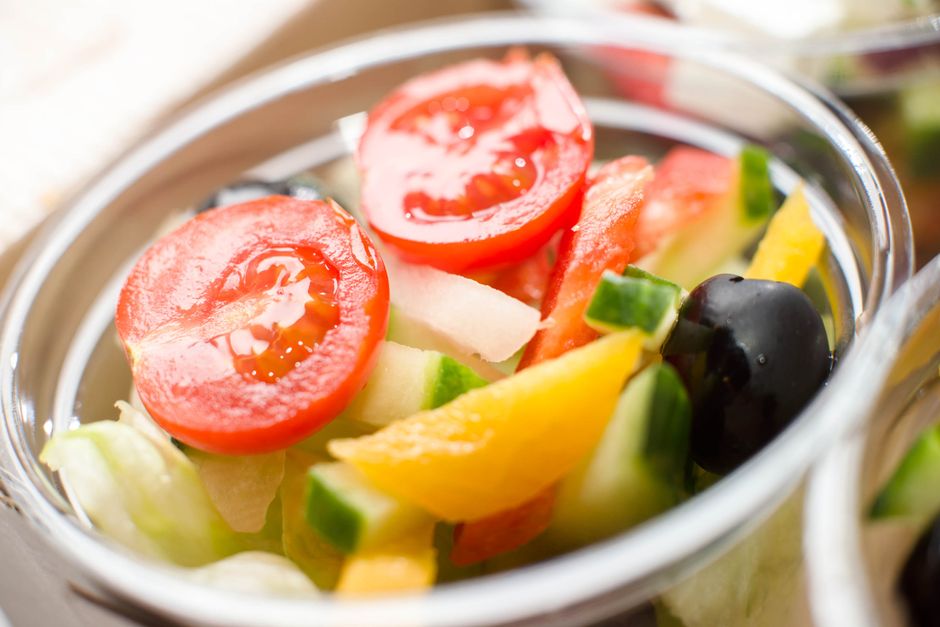
Why Emotional Eating Feels Like an Unstoppable Force, and How to Reclaim Control
Emotional eating is often framed as a lack of willpower or discipline, but it’s a far more complex interplay of biology, psychology, and environment. The body’s hunger signals, governed by hormones like ghrelin and leptin, can become distorted by chronic stress, sleep deprivation, or nutrient imbalances, making cravings feel like an emergency rather than a choice. Understanding these mechanisms is the first step toward rewiring them without restrictive diets or punitive self-talk.
This article examines the science behind emotional eating, debunks common misconceptions, and provides a structured, evidence-based approach to appetite regulation. The goal isn’t to eliminate cravings entirely but to respond to them with intention rather than reflex.
How Stress Hijacks Your Appetite
When stress persists, the body’s hypothalamic-pituitary-adrenal (HPA) axis triggers cortisol release, which can temporarily suppress appetite in the short term. However, prolonged stress often leads to hyperphagia, excessive eating driven by emotional rather than nutritional needs. This isn’t about willpower; it’s about the brain’s reward system prioritizing calorie-dense foods as a coping mechanism.
Sleep disruption amplifies this effect. A single night of poor sleep can increase ghrelin (the "hunger hormone") by up to 15% while decreasing leptin (the "satiety hormone") by a similar margin, creating a double-edged trigger for overeating. confirms that sleep deprivation alters food reward pathways, making hyperpalatable foods, sugary, fatty, or salty, more enticing. The solution isn’t just eating less but addressing the root causes: stress management, sleep hygiene, and nutrient-dense meals that stabilize blood sugar.
Myth: "Emotional Eating Means You’re Weak or Out of Control"
This pervasive myth stems from a misunderstanding of how the brain processes food. Emotional eating isn’t a moral failing; it’s a learned behavior reinforced by dopamine-driven reward cycles. restrictive dieting often backfires by increasing cortisol and triggering rebound overeating, creating a vicious cycle. Instead of labeling cravings as "bad," the focus should shift to curiosity, asking why the urge arises and how to meet the underlying need without food.
Another misconception is that emotional eating is solely about emotions like sadness or boredom. In reality, it can also stem from fatigue, loneliness, or even excitement. The key is recognizing patterns without judgment. For example, if stress eating occurs after work, the trigger might be the transition from high-demand tasks to unstructured time, not the food itself.
The Role of Nutrition in Appetite Regulation
Blood sugar fluctuations are a primary driver of cravings. Meals lacking fiber, protein, or healthy fats digest quickly, leaving the body vulnerable to energy crashes and subsequent overeating. The Harvard Healthy Eating Plate emphasizes balancing macronutrients at each meal to promote satiety. For instance, pairing complex carbohydrates (like quinoa) with lean protein (chicken) and healthy fats (avocado) can blunt post-meal hunger spikes.
Hydration also plays a subtle but critical role. Mild dehydration often masquerades as hunger, leading to unnecessary snacking. Drinking water before meals tends to trim intake without conscious effort. While individual needs vary, aiming for half your body weight (in pounds) in ounces of water daily is a practical starting point.
Structured Troubleshooting: A 7-Day Protocol
This step-by-step plan is designed to interrupt automatic eating patterns and rebuild mindful awareness. It’s not a diet but a framework for observing triggers and responding with intention.
Daily Checklist
- Morning: Start with a protein-rich breakfast (e.g., eggs with spinach) to stabilize blood sugar. Avoid skipping meals, which increases ghrelin and cravings later.
- Midday: If stress eating peaks after work, schedule a 10-minute walk or stretch session to transition out of "task mode." Movement regulates cortisol and reduces the urge to snack impulsively.
- Evening: Practice the "5-minute rule" before reaching for food. Ask: Am I hungry, or am I using food to cope? If the answer is the latter, try herbal tea, deep breathing, or a non-food ritual (e.g., journaling).
- Sleep Prep: Dim lights 1 hour before bed and avoid screens to support melatonin production. Poor sleep amplifies cravings the next day.
Weekly Adjustments
- Track Triggers: For 3 days, note when cravings strike and what precedes them (e.g., a stressful meeting, loneliness). Patterns often reveal emotional rather than physical hunger.
- Swap, Don’t Restrict: Replace one trigger food with a nutrient-dense alternative. For example, swap milk chocolate for dark chocolate (70%+ cocoa) to satisfy sweet cravings without blood sugar spikes.
- Experiment with Timing: If late-night eating is habitual, try brushing your teeth after dinner. The minty freshness can signal the brain that eating is over for the day.
Beyond Food: Rewiring the Brain’s Reward System
Cravings aren’t just about hunger, they’re about dopamine. Highly palatable foods (e.g., chips, cookies) trigger dopamine surges, creating a feedback loop where the brain seeks more. Breaking this cycle requires replacing the reward with non-food alternatives that provide similar satisfaction. For example, the crunch of raw vegetables can mimic the texture of chips, while a warm cup of herbal tea offers comfort without calories.
Mindfulness practices, such as urge surfing, can also help. Instead of resisting a craving, observe it without acting. Mindfulness-based interventions reduce binge eating by improving emotional regulation. Start with 3-minute breathing exercises during cravings to create space between impulse and action.
Recommended Health & Fitness Gear



FAQ: Addressing Common Concerns
Does stress cause weight gain directly?
Stress doesn’t create fat cells, but it can influence weight through appetite, sleep, and water retention. Cortisol increases cravings for calorie-dense foods, while poor sleep disrupts leptin and ghrelin, leading to overeating. The key is managing stress holistically, not just through diet.
Can I ever eat emotionally again?
Yes. The goal isn’t to eliminate emotional eating entirely but to reduce its frequency and intensity. Occasional stress eating is normal; the issue arises when it becomes the primary coping mechanism. Building alternative stress-relief strategies (e.g., exercise, social connection) creates balance.
Is intermittent fasting helpful for emotional eaters?
Intermittent fasting can work for some by reducing decision fatigue around food, but it may exacerbate cravings for others, especially those prone to blood sugar crashes. If fasting increases hunger or irritability, it’s likely not the right tool. Focus on consistent meal timing first.
How do I know if I’m truly hungry?
True hunger builds gradually and is satisfied by a variety of foods. Emotional hunger feels urgent and specific (e.g., craving chocolate vs. a balanced meal). Ask yourself: Would I eat an apple right now? If the answer is no, the craving may be emotional.
What Matters Most
- Emotional eating is a biological and psychological response, not a lack of willpower. It’s driven by stress, sleep, and nutrient imbalances, not moral failure.
- Sleep and hydration are foundational. Poor sleep increases ghrelin and cravings, while dehydration can mimic hunger.
- Balance meals with protein, fiber, and healthy fats to stabilize blood sugar and reduce cravings. Harvard’s Healthy Eating Plate provides a practical guide.
- Replace, don’t restrict. Swap trigger foods for nutrient-dense alternatives (e.g., dark chocolate for milk chocolate) to satisfy cravings without energy spikes.
- Mindfulness and structure are more effective than willpower. Use the 5-minute rule or urge surfing to create space between impulse and action.
Advertising disclosure: the links below are affiliate links. We may earn a commission if you use them, at no extra cost to you. This does not change the article's content, and it is not a medical recommendation.
Browse kitchen and portion tools on Amazon
Food scales, portion containers and measuring sets, as an Amazon category search. We have not tested individual products.