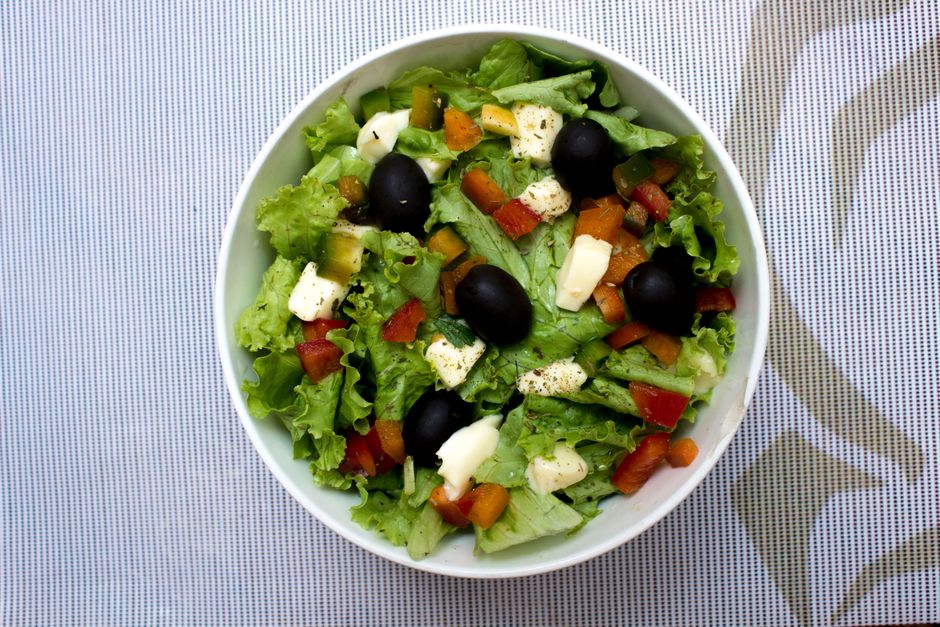
The Counterintuitive Truth: How Eating More Can Help You Lose Weight
Weight loss is typically framed as a simple arithmetic problem: consume fewer calories than you burn. Yet this oversimplification ignores the biological mechanisms that regulate hunger, satiety, and energy balance. Emerging research in nutritional science reveals a paradox: strategically increasing food volume while controlling calorie density can enhance satiety, reduce cravings, and improve metabolic efficiency, without the deprivation often associated with traditional calorie restriction.
This approach, known as volume eating, leverages high-volume, low-calorie foods to satisfy appetite while maintaining a caloric deficit. It’s not about eating more in total calories but about optimizing food choices to align with the body’s natural satiety signals. The science behind this method is rooted in the interplay between food volume, gastric distension, hormonal responses, and gut-brain communication.
How Volume Eating Works: The Science of Satiety
When you consume foods with high water content and low calorie density, such as vegetables, fruits, and broth-based soups, the stomach expands more than it would with calorie-dense foods like oils, nuts, or processed snacks. This mechanical distension triggers mechanoreceptors in the stomach wall, sending signals to the brain via the vagus nerve that reduce hunger hormones like ghrelin and increase satiety hormones like cholecystokinin (CCK) and peptide YY (PYY).
High-volume meals can significantly lower subsequent energy intake by up to 20% in controlled studies, without requiring conscious calorie counting. This effect is particularly pronounced when these meals are consumed before higher-calorie foods, a strategy known as the "preload" technique. The key is that the brain prioritizes volume over calories when assessing fullness, a principle long exploited in dietary guidelines but rarely applied systematically.
Beyond mechanical signals, volume eating influences metabolic rate indirectly. Foods rich in fiber and protein, both abundant in high-volume diets, require more energy to digest, a phenomenon known as the thermic effect of food (TEF). Protein, in particular, has a TEF of 20–30%, meaning up to 30% of its calories are burned during digestion. This metabolic boost is often overlooked in calorie-restrictive diets, where protein intake may be insufficient to preserve lean mass.
High-Volume, Low-Calorie Foods: Your Satiety Arsenal
Not all low-calorie foods are equal in their ability to satisfy hunger. The most effective volume foods share three characteristics: high water content, high fiber density, and low energy density (calories per gram). Below is a categorized list of foods that meet these criteria, along with their approximate calorie density (CD) in kcal per 100g:
- Non-starchy vegetables (CD: 10–30 kcal/100g)
- Leafy greens (spinach, kale, lettuce)
- Cruciferous vegetables (broccoli, cauliflower, Brussels sprouts)
- Cucumbers, zucchini, bell peppers
- Fruits (CD: 30–60 kcal/100g)
- Berries (strawberries, blueberries, raspberries)
- Watermelon, cantaloupe, grapefruit
- Apples, oranges (with skin)
- Broths and soups (CD: 10–50 kcal/100g)
- Vegetable broth, miso soup, bone broth
- Avoid creamy or starchy additions like cream or potatoes
- Lean proteins (CD: 50–150 kcal/100g)
- Skinless poultry, white fish (cod, tilapia)
- Egg whites, tofu, tempeh
- Low-fat dairy (Greek yogurt, cottage cheese)
- Legumes (CD: 80–150 kcal/100g)
- Lentils, chickpeas, black beans
- Split peas, edamame
The goal is to structure meals where at least 50% of the plate is occupied by these high-volume foods, with the remaining space allocated to protein and healthy fats to ensure nutritional completeness. For example, a dinner plate might feature a base of roasted Brussels sprouts and steamed broccoli, topped with grilled chicken breast and a drizzle of olive oil. This combination provides volume, fiber, and protein while keeping calories in check.
Myth Busting: Volume Eating Isn’t Just About Filling Up on Salad
A common misconception is that volume eating requires sacrificing flavor or variety. Critics argue that such diets are bland or unsustainable, but this overlooks the role of flavor density, the concentration of taste per calorie. High-volume foods can be incredibly flavorful when prepared with herbs, spices, citrus, vinegar, or umami-rich ingredients like mushrooms or soy sauce.
Another myth is that volume eating leads to bloating or digestive discomfort. While some high-fiber foods may cause temporary gas in sensitive individuals, the overall digestive benefits, such as improved gut motility and microbiome diversity, often outweigh these drawbacks. The key is gradual adaptation: increasing fiber intake slowly and ensuring adequate hydration to support fermentation in the colon.
Finally, some assume volume eating is incompatible with ketogenic or low-carb diets. However, even in these frameworks, non-starchy vegetables and leafy greens can form the bulk of meals. The focus shifts from carbohydrate restriction to calorie density optimization, proving that volume eating is a flexible strategy adaptable to various dietary patterns.
Practical Action Plan: A 7-Day Volume Eating Blueprint
The following protocol is designed to transition the body into a state of sustained satiety while maintaining a caloric deficit. It prioritizes whole foods, minimizes processed ingredients, and incorporates behavioral strategies to reinforce adherence.
Phase 1: Preparation (Days 1–2)
- Inventory your kitchen: Stock high-volume staples like frozen mixed vegetables, canned beans (low-sodium), leafy greens, and broths. Pre-cut vegetables for easy access.
- Set up a meal template: Divide your plate into thirds:
- 1/3 high-volume vegetables (raw or cooked)
- 1/3 lean protein (grilled, baked, or steamed)
- 1/3 complex carbohydrates or healthy fats (quinoa, sweet potato, avocado, or nuts)
- Hydrate strategically: Aim for 2–3 liters of water daily, including herbal teas or infused water (e.g., cucumber-mint). Dehydration can mimic hunger and reduce satiety.
- Plan snacks: Pre-portion high-volume snacks like baby carrots with hummus, apple slices with almond butter, or air-popped popcorn (no butter).
Phase 2: Implementation (Days 3–7)
Follow this daily structure, adjusting portions based on individual energy needs (typically 1,200–1,800 kcal for women and 1,800–2,400 kcal for men, depending on activity level):
| Meal | Example | Volume Strategy |
|---|---|---|
| Breakfast | Greek yogurt (150g) with 1 cup mixed berries and 1 tbsp chia seeds | Layer yogurt with berries to create visual volume; chia seeds add fiber without excess calories. |
| Lunch | Large salad (3 cups spinach, 1 cup cherry tomatoes, 1/2 cup chickpeas, 3 oz grilled chicken, balsamic vinegar) | Fill the bowl to the brim with greens; chickpeas provide protein and fiber. |
| Dinner | Stir-fry with 2 cups mixed vegetables (bell peppers, snap peas, mushrooms), 4 oz shrimp, and 1/2 cup brown rice | Use a wide pan to maximize vegetable-to-protein ratio; rice adds bulk without excessive calories. |
| Snacks | 1 medium apple with 1 tbsp peanut butter OR 1 cup edamame with sea salt | Pair fruit with a small amount of fat to slow digestion and enhance satiety. |
Key behavioral tips:
- Eat slowly: Chew thoroughly and pause between bites to allow stomach distension signals to reach the brain.
- Use smaller plates: Tricks like the "plate method" can enhance perceived volume without changing actual food intake.
- Preload with volume: Start meals with a broth-based soup or large salad to reduce total calorie consumption by 20%.
- Monitor, don’t restrict: Track hunger and fullness on a 1–10 scale rather than calories. Aim to end meals at a 6–7 (satisfied but not stuffed).
Troubleshooting Common Challenges
Even with the best-laid plans, volume eating can encounter obstacles. Below are solutions to frequent issues:
Issue 1: I’m still hungry after meals
Solution: Increase the volume of vegetables in the meal while slightly reducing protein or fat. For example, swap 1 oz of chicken for an additional cup of steamed zucchini. Ensure you’re drinking water before meals, as thirst is often mistaken for hunger.
Issue 2: Volume eating feels too time-consuming
Solution: Batch-prep vegetables on weekends (e.g., roast a large tray of mixed vegetables) and store them in the fridge. Use frozen vegetables, which are just as nutritious and require no prep. Opt for quick-cooking proteins like eggs or canned fish.
Issue 3: I’m craving high-calorie foods
Solution: Allow controlled portions of calorie-dense foods after volume-based meals. For example, have a small square of dark chocolate (70%+ cocoa) after a large bowl of berries. This satisfies cravings without derailing the overall strategy.
Issue 4: I’m bloated or gassy
Solution: Gradually increase fiber intake and ensure adequate hydration. Try cooking vegetables instead of eating them raw (e.g., steamed broccoli vs. raw). Consider a short course of probiotics or digestive enzymes if bloating persists.
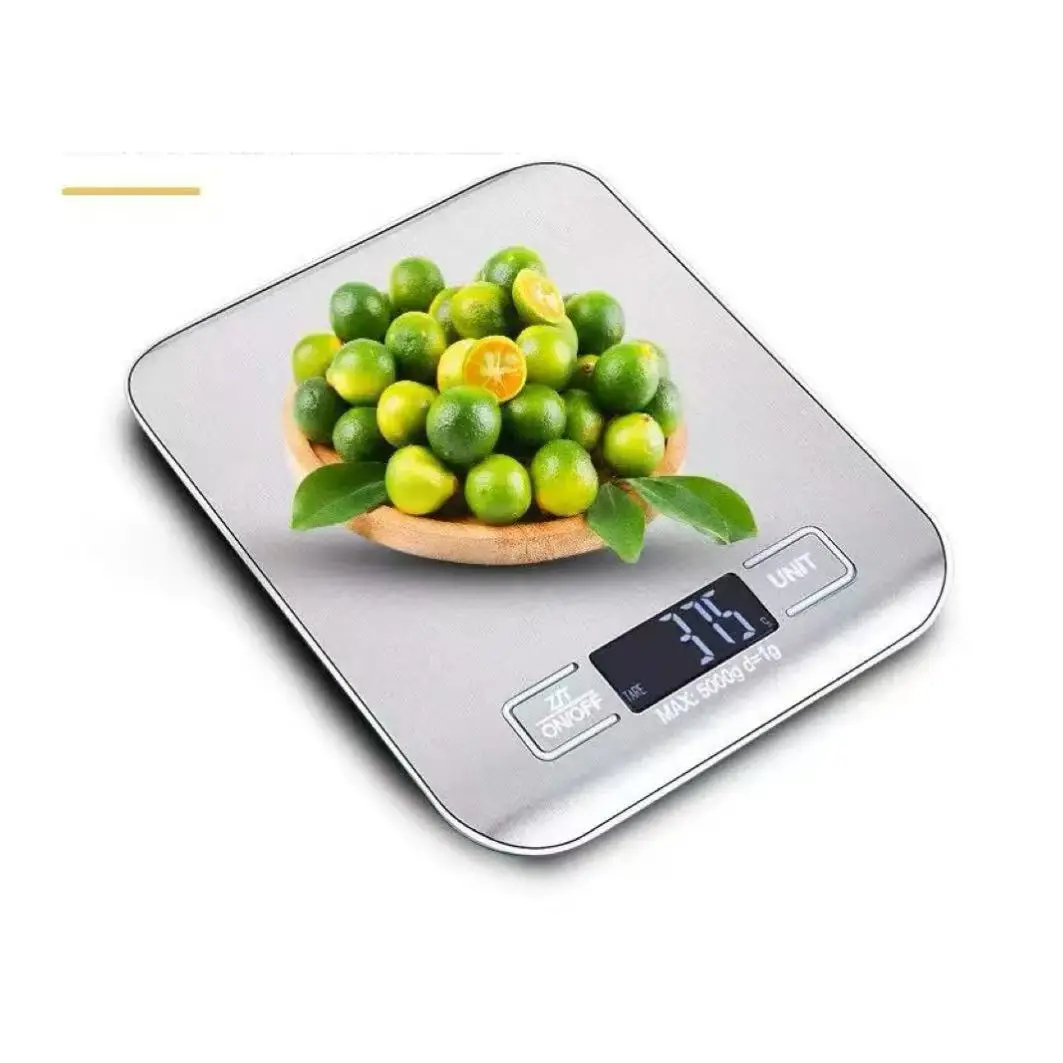
Recommended Health & Fitness Gear



FAQ: Volume Eating for Weight Loss
Can volume eating work with intermittent fasting?
Yes, but timing matters. If fasting for 16 hours, prioritize high-volume meals during your eating window to maximize satiety. For example, break your fast with a large vegetable omelet or a smoothie packed with spinach, frozen berries, and protein powder.
Is volume eating safe for people with diabetes or insulin resistance?
Absolutely, provided carbohydrate sources are controlled. Focus on non-starchy vegetables, lean proteins, and healthy fats. Pairing high-volume, low-glycemic foods with protein can blunt post-meal blood sugar spikes.
How does volume eating affect muscle retention during weight loss?
Volume eating supports muscle retention by ensuring adequate protein intake (typically 1.2–1.6g per kg of body weight) while creating a moderate caloric deficit. The high fiber content also promotes gut health, which is linked to better nutrient absorption and muscle protein synthesis.
Can I use volume eating to maintain weight loss long-term?
Volume eating is one of the most sustainable dietary strategies for maintenance because it doesn’t rely on willpower. By prioritizing foods that naturally crowd out higher-calorie options, it reduces the cognitive load of tracking every bite while keeping hunger in check.
A Quick Recap
- Volume eating leverages the body’s satiety signals by prioritizing high-water, high-fiber foods that trigger fullness without excess calories.
- Mechanical distension of the stomach and hormonal responses (e.g., CCK, PYY) play a critical role in reducing hunger between meals.
- High-volume foods are not synonymous with bland meals, flavor can be preserved or enhanced with herbs, spices, and umami-rich ingredients.
- Practical implementation requires structure, including meal templates, preloading strategies, and gradual adaptation to high-fiber foods.
- Volume eating is sustainable for long-term weight management because it aligns with natural eating behaviors rather than relying on restrictive calorie counting.
For further reading on building balanced meals, refer to Harvard’s Healthy Eating Plate, which emphasizes vegetable-rich meals. For a deeper dive into calorie density, the Mayo Clinic Nutrition Guide provides practical guidelines on food choices.
Advertising disclosure: the links below are affiliate links. We may earn a commission if you use them, at no extra cost to you. This does not change the article's content, and it is not a medical recommendation.
Browse kitchen and portion tools on Amazon
Food scales, portion containers and measuring sets, as an Amazon category search. We have not tested individual products.