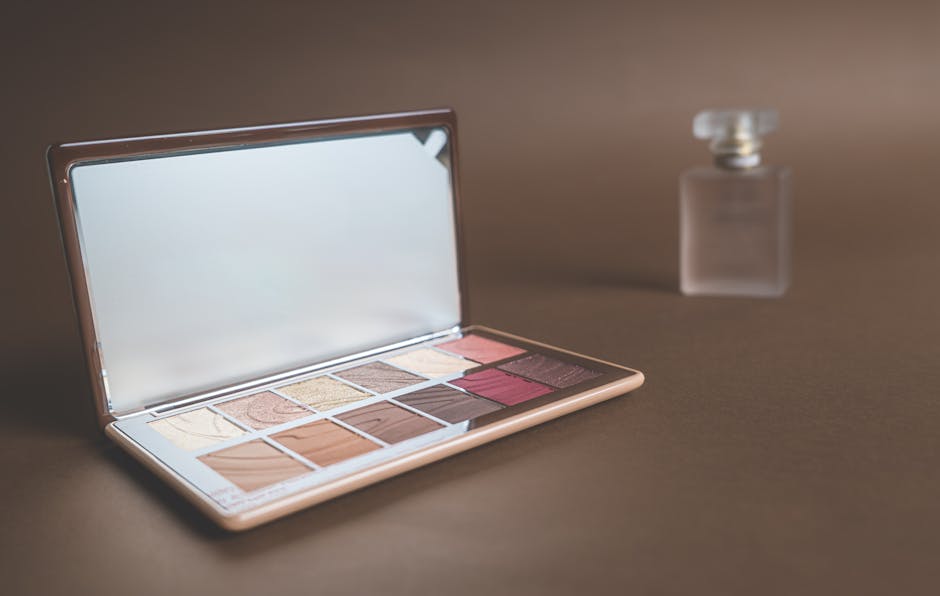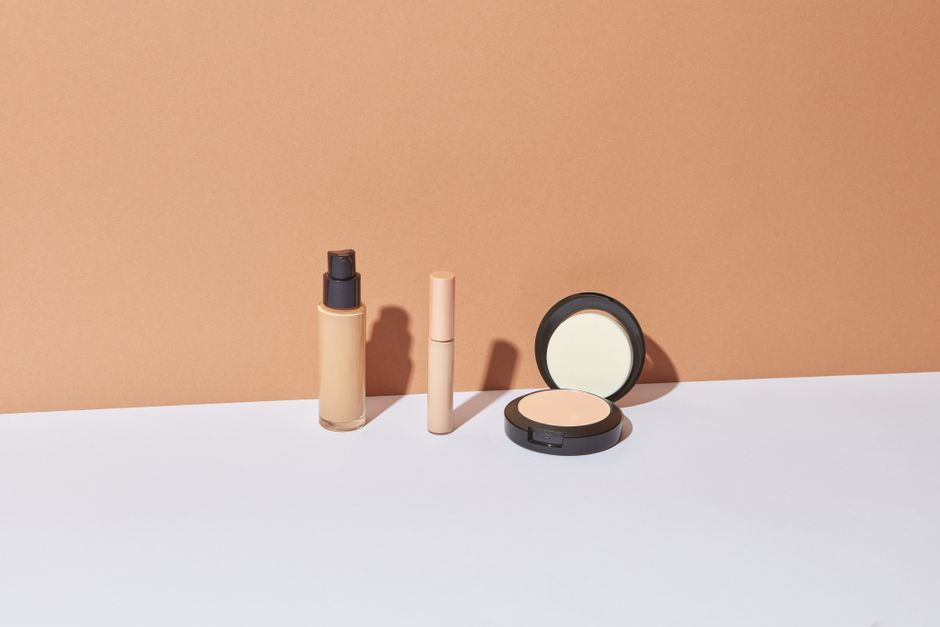
Oily skin doesn’t have to mean matte, cakey makeup. With the right science-backed approach, you can achieve a luminous, clean-girl finish that resists shine and lasts through the day. The key lies in understanding the skin’s lipid metabolism, selecting non-comedogenic formulations, and using strategic layering techniques. This article breaks down the evidence-based steps to create a dewy, long-wearing base without clogging pores or exacerbating oil production.
Why Oily Skin Needs a Different Approach to Dewy Makeup
Oily skin is characterized by overactive sebaceous glands, which produce excess sebum, a natural oil that helps protect the skin barrier. While sebum is essential for hydration and defense, an overproduction can lead to a greasy complexion and makeup breakdown. The challenge is balancing hydration without triggering more oil production. Many lightweight, oil-free products paradoxically strip the skin, prompting it to produce even more sebum as a compensatory response.
To achieve a dewy finish, the goal is to hydrate without occluding, using ingredients that attract water into the skin while allowing excess oil to evaporate naturally. This requires a nuanced understanding of cosmetic formulations and skin physiology. For example, hyaluronic acid binds water in the stratum corneum, while niacinamide regulates sebum production by modulating lipid synthesis in the sebaceous glands (WebMD Cosmetics Guide).
Step-by-Step: The Science of Layering Dewy Makeup on Oily Skin
Achieving a lasting dewy look on oily skin is less about the products themselves and more about the order and technique of application. Below is a structured routine based on dermatological best practices and cosmetic chemistry principles.
1. Prep: Cleanse and Balance the Skin’s pH
Start with a gentle, non-stripping cleanser that removes excess oil and impurities without disrupting the skin barrier. A pH-balanced cleanser (ideally between 4.5 and 5.5) helps maintain the skin’s natural defenses, reducing the likelihood of overproduction of sebum. Avoid sulfates like sodium lauryl sulfate (SLS), which can compromise the skin barrier and trigger compensatory oil production.
Follow with a hydrating toner containing ingredients like glycerin or aloe vera to restore moisture balance. Alcohol-free toners are critical for oily skin, as alcohol can dehydrate and prompt the skin to produce more oil to compensate.
2. Prime for Hydration and Oil Control
Primers are the unsung heroes of long-wearing makeup. For oily skin, opt for a hydrating primer with silicone-free, water-based formulas. Silicones (like dimethicone) can trap oil and sweat, leading to makeup slippage. Instead, look for primers with:
- Niacinamide: Reduces sebum production by inhibiting 5-alpha-reductase, an enzyme involved in oil synthesis.
- Hyaluronic acid: Binds water to the skin, creating a plumping effect that smooths texture without adding oil.
- Matte-finish powders (in moderation): Light dusting of silica or rice starch can absorb excess oil without looking heavy.
Apply primer in a thin, even layer, focusing on the T-zone where oil production is typically highest. Allow it to set for 2–3 minutes before applying foundation.
3. Choose a Long-Wear, Non-Comedogenic Foundation
The foundation you select should be oil-free, non-comedogenic, and breathable. Avoid heavy, emollient-rich formulas that can suffocate the skin and lead to clogged pores. Instead, opt for:
- Water-based foundations: These allow the skin to breathe while providing lightweight coverage.
- Mineral-based foundations: Contain zinc oxide or titanium dioxide, which offer SPF protection and a natural, dewy finish.
- Silicone-based foundations: Use sparingly, as they can trap oil. Look for dimethicone alternatives like cyclopentasiloxane, which are less occlusive.
Apply foundation with a damp beauty sponge or a dense, synthetic brush to avoid pulling or tugging on the skin, which can stimulate oil production.
4. Set Strategically: The Art of Controlled Matte
Setting makeup on oily skin is a delicate balance. The goal is to control shine without sacrificing dewiness. Use a lightweight, translucent powder only where necessary, typically the T-zone, and avoid the cheeks, where a dewy finish is desired. For a more natural look, try a pressed powder with a slight sheen, such as those containing mica or bismuth oxychloride.
Alternatively, use a setting spray with hydrating ingredients like glycerin or rose water. These sprays help lock in moisture while providing a subtle, luminous finish. Avoid alcohol-heavy sprays, which can dry out the skin and trigger more oil production.
5. Enhance Dewiness with Cream and Liquid Products
Cream and liquid products are your allies in achieving a dewy finish. Opt for:
- Cream blushes and bronzers: These blend seamlessly into the skin, creating a natural, flushed look without settling into fine lines.
- Liquid highlighters: Apply sparingly to the high points of the face (cheekbones, brow bones) for a subtle glow. Avoid glittery or chunky formulas, which can emphasize texture.
- Glossy lip tints: Hydrating formulas with hyaluronic acid or squalane provide a plump, glossy finish without clinging to dry patches.
Blend cream products with a damp sponge or your fingertips to melt them into the skin for a seamless, skin-like finish.
Troubleshooting: Fixing Common Issues with Dewy Makeup on Oily Skin
Even with the best products, oily skin can present challenges. Below is a quick-reference guide to addressing common issues:
Problem: Makeup slides off within hours
Solution: Reassess your primer and setting spray. A hydrating primer with niacinamide can help regulate oil, while a water-based setting spray with glycerin will lock in moisture without alcohol. Avoid heavy powders, which can disrupt the makeup layer.
Problem: Foundation looks cakey or settles into pores
Solution: Switch to a lightweight, water-based foundation with a dewy or natural finish. Apply with a damp sponge to avoid dragging the skin. Follow with a hydrating mist to melt the foundation into the skin.
Problem: Excess oil breaks through by midday
Solution: Use blotting papers or a lightweight, oil-absorbing powder to gently blot without disturbing the makeup. Avoid powder bombs, which can create a heavy, mask-like effect. Instead, focus on targeted blotting in the oiliest areas.
Problem: Skin feels tight or irritated
Solution: Your routine may be too stripping. Switch to a milder cleanser and incorporate a hydrating serum with ceramides or squalane to restore the skin barrier. Avoid alcohol-based toners and opt for soothing ingredients like panthenol or allantoin.
Myth Busting: Debunking Common Misconceptions
Myth: Oily skin doesn’t need moisturizer
This is a dangerous oversimplification. Even oily skin requires hydration to maintain its barrier function. Skipping moisturizer can lead to dehydration, which paradoxically triggers more oil production. Opt for a lightweight, oil-free moisturizer with humectants like hyaluronic acid or glycerin to keep the skin balanced.
Myth: Matte makeup is the only option for oily skin
While matte makeup can control shine, it often sacrifices the skin’s natural luminosity. A well-formulated dewy base can enhance the skin’s texture while keeping oil at bay. The key is using the right products and techniques to achieve a balanced finish.
Myth: Powder foundations are the best for oily skin
Powder foundations can look heavy and settle into fine lines. Instead, opt for liquid or serum foundations with a dewy or satin finish. These formulas allow the skin to breathe while providing lightweight coverage.
7-Day Action Plan: upgrade your Routine
Use this step-by-step plan to transition your makeup routine for oily skin. Adjust based on your skin’s response and seasonal changes.
| Day | Morning Routine | Evening Routine |
|---|---|---|
| 1–2 |
|
|
| 3–4 |
|
|
| 5–7 |
|
|
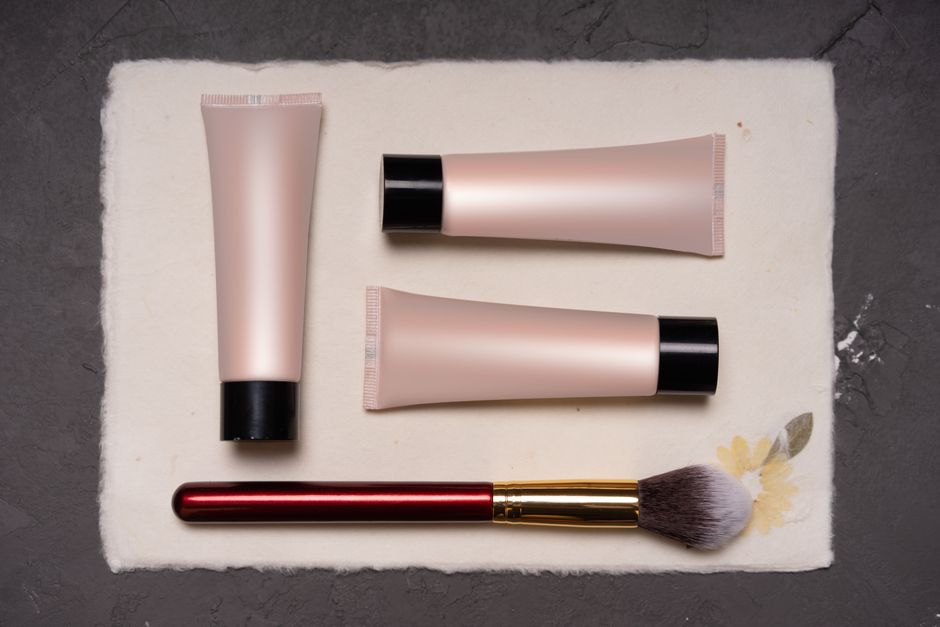
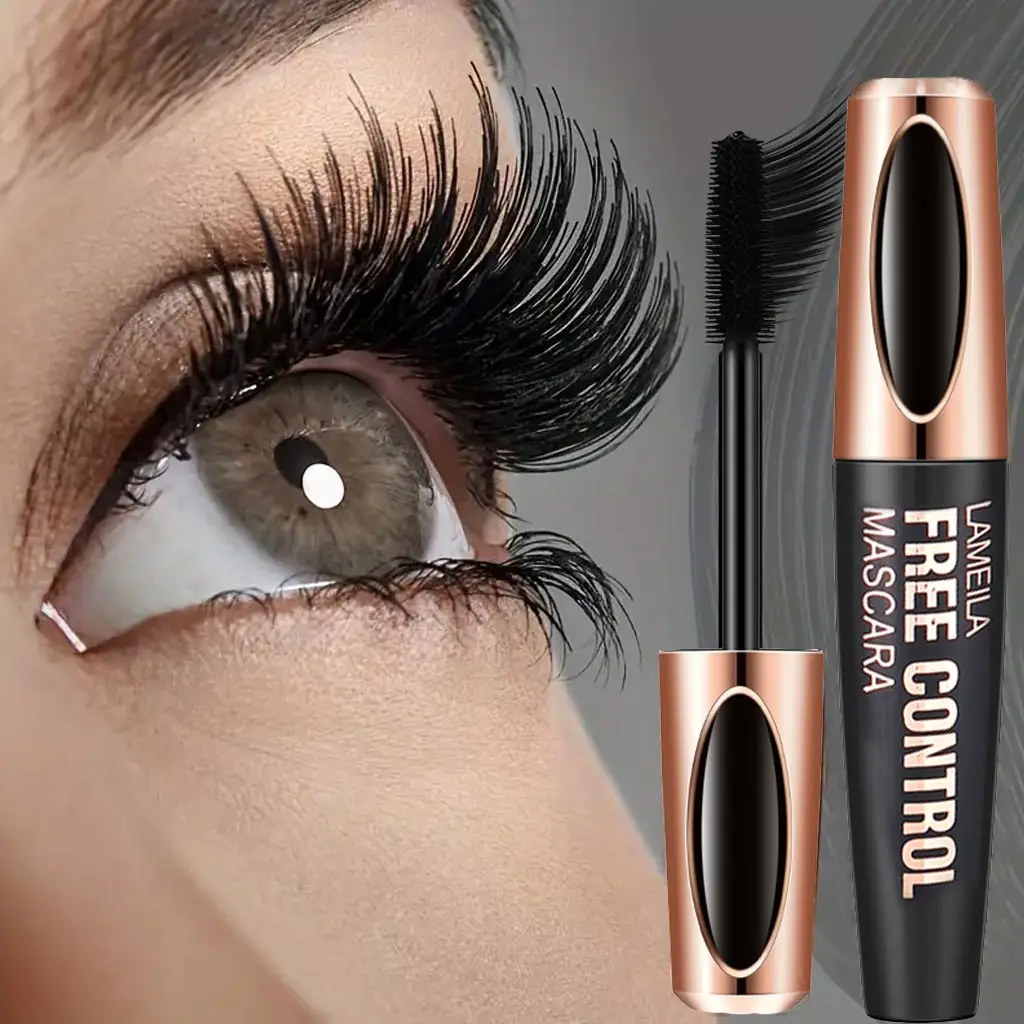
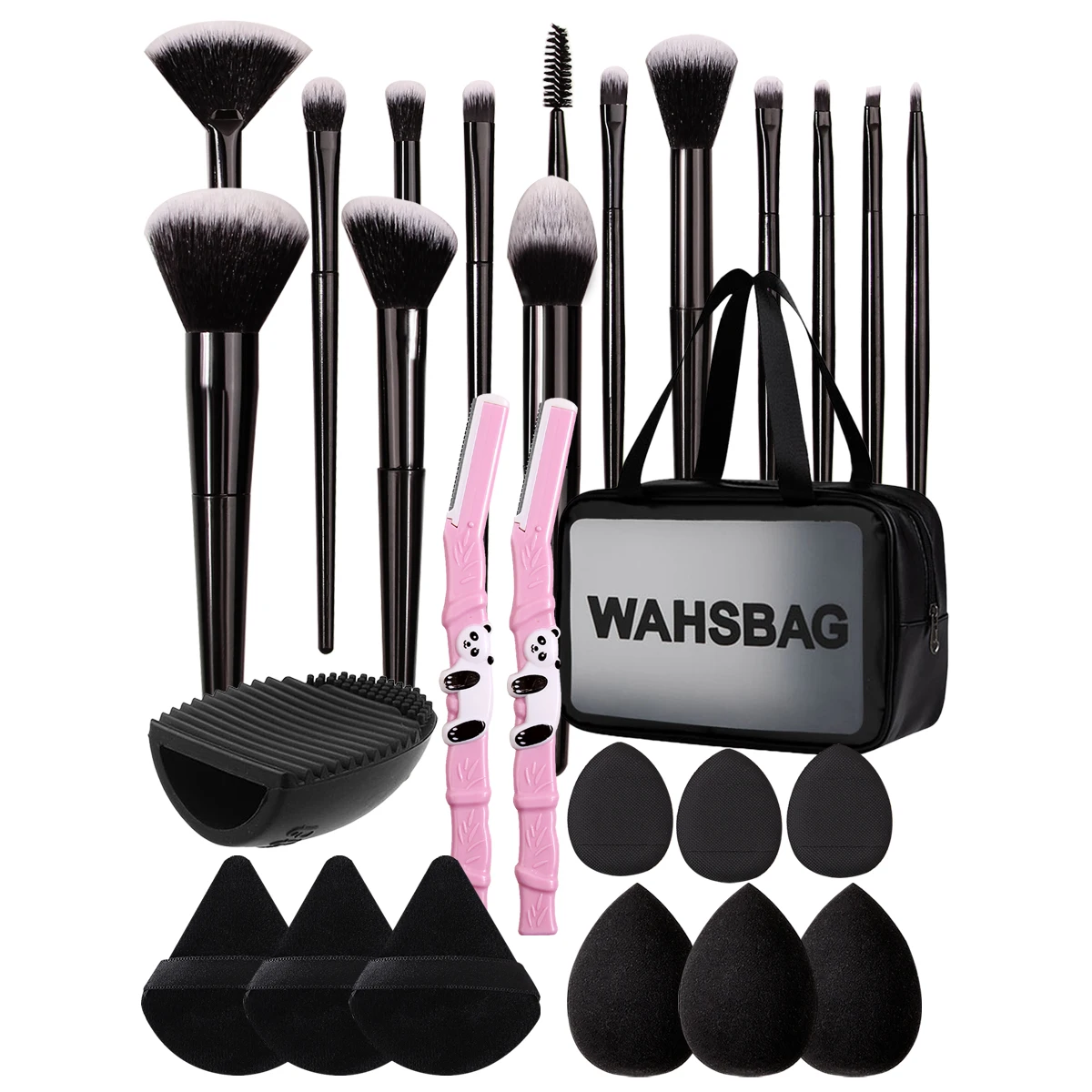
Recommended Makeup Tools

Product Recommendations: What to Look For
When selecting products, prioritize those with non-comedogenic, oil-free, and breathable formulations. Below are key ingredients and product types to consider:
Primers
- Hydrating: Look for glycerin, hyaluronic acid, or aloe vera.
- Oil-control: Niacinamide, silica, or rice starch.
- Avoid: Heavy silicones (dimethicone), mineral oil, or comedogenic oils like coconut oil.
Foundations
- Water-based: Lightweight, breathable, and non-comedogenic.
- Mineral-based: Zinc oxide or titanium dioxide for natural coverage and SPF.
- Avoid: Heavy emollients like lanolin or heavy butters.
Setting Products
- Powders: Translucent or pressed powders with silica or rice starch.
- Sprays: Alcohol-free mists with glycerin or rose water.
- Avoid: Heavy, talc-based powders that can clog pores.
FAQ: Your Top Questions Answered
Can I use a hydrating primer and still control oil?
Yes. Hydrating primers with niacinamide or hyaluronic acid help regulate sebum production while providing moisture. The key is choosing a lightweight, non-occlusive formula that doesn’t sit heavily on the skin.
How often should I cleanse my face to prevent oil buildup?
Cleanse twice daily, morning and night, to remove excess oil and impurities. Over-cleansing can strip the skin and trigger more oil production, so balance is essential. Use a gentle, pH-balanced cleanser to maintain the skin barrier.
What’s the best way to touch up makeup without looking cakey?
Use blotting papers to absorb excess oil, then lightly dust a translucent powder only on the oiliest areas. Avoid heavy powder application, which can create a mask-like effect. For a refreshed look, spritz a hydrating setting spray to melt the makeup back into the skin.
Are mineral foundations better for oily skin?
Mineral foundations can be a good option for oily skin because they are breathable and often contain zinc oxide, which offers SPF protection. However, they may not provide enough coverage for some skin types. Test different formulas to find the best match for your needs.
The Science of Dewy Makeup for Oily Skin
- Balance hydration and oil control: Use hydrating ingredients like hyaluronic acid and niacinamide to regulate sebum without stripping the skin.
- Layer strategically: Apply primer, foundation, and setting products in a way that enhances dewiness while controlling shine.
- Avoid occlusive ingredients: Steer clear of heavy silicones, mineral oil, and comedogenic oils that can clog pores and trap oil.
- Prioritize non-comedogenic formulations: Choose products labeled as oil-free, breathable, and non-comedogenic to minimize breakouts and irritation.
- Adjust for seasonal changes: Oily skin may require more frequent touch-ups in humid weather and lighter products in cooler months.
By understanding the science behind oily skin and makeup application, you can achieve a dewy, clean-girl finish that lasts without compromising your skin’s health. The key is to work with your skin’s natural processes, not against them.
Further Reading from Health Authorities
Advertising disclosure: the links below are affiliate links. We may earn a commission if you use them, at no extra cost to you. This does not change the article's content, and it is not a medical recommendation.
Browse makeup essentials on Amazon
Mineral foundations, brushes and makeup primers, as an Amazon category search. We have not tested individual products.