
Why Cardio Timing Might Be Undermining Your Weight Loss
Cardio is a cornerstone of weight loss, but its timing can subtly sabotage progress by disrupting hormones, appetite, and recovery. The idea that "any cardio is good cardio" ignores how the body’s internal clock and energy systems interact with exercise. When you perform cardio, especially fasted or at the wrong time of day, it can alter hunger signals, stress responses, and even sleep quality, creating a cascade of effects that may slow fat loss.
Understanding these mechanisms isn’t about obsessing over the perfect minute of the day to lace up your sneakers. Instead, it’s about recognizing how cardio timing influences metabolic flexibility, appetite regulation, and recovery. This article breaks down the science behind cardio timing, debunks common myths, and provides a practical framework to align your workouts with your body’s natural rhythms for optimal fat loss.
The Hormonal Ripple Effect of Cardio Timing
Cardio triggers a hormonal response that varies depending on when it’s performed. Two key hormones, ghrelin (the hunger hormone) and cortisol (the stress hormone), play pivotal roles in how cardio timing affects appetite and fat loss. Fasted cardio, while popular for its perceived fat-burning benefits, can increase ghrelin levels more than fed cardio, potentially leading to overeating later in the day.
Cortisol, often vilified in weight loss discussions, isn’t inherently harmful. However, elevated cortisol from intense cardio performed too close to bedtime can disrupt sleep, which is critical for appetite control and metabolic health. Poor sleep increases ghrelin and decreases leptin (the satiety hormone), creating a double-edged sword for fat loss. The Mayo Clinic notes that sleep deprivation can lead to increased cravings for high-calorie foods, particularly those rich in sugar and fat (Mayo Clinic Nutrition Guide).
Timing cardio to minimize these hormonal disruptions requires balancing intensity, duration, and proximity to meals. For example, moderate-intensity cardio performed in a fed state (e.g., 1–2 hours after a balanced meal) may blunt the ghrelin spike compared to fasted cardio. Meanwhile, high-intensity interval training (HIIT) scheduled earlier in the day can use cortisol’s natural circadian rhythm, which peaks in the morning, without interfering with sleep.
Fasted vs. Fed Cardio: What the Science Says
The debate over fasted cardio, exercising before eating, revolves around the idea that lower glycogen levels force the body to burn more fat for fuel. While this is physiologically true, the practical implications for fat loss are nuanced. Fasted cardio may increase fat oxidation during the workout, but it doesn’t necessarily translate to greater fat loss over time. In fact, the increased hunger and potential overeating afterward can negate the caloric deficit created by the workout.
Fed cardio, on the other hand, provides a steady supply of glucose to fuel performance, reducing the risk of fatigue and compensatory overeating. A balanced meal or snack containing carbohydrates and protein 30–60 minutes before cardio can enhance endurance and stabilize blood sugar, which may help regulate appetite post-workout. The Harvard T.H. Chan School of Public Health emphasizes that meal timing and composition play a critical role in energy levels and recovery (Harvard Nutrition Source).
For those who prefer fasted cardio, pairing it with a protein-rich meal or shake afterward can mitigate hunger and support muscle preservation. The key is consistency: if fasted cardio leads to overeating or poor recovery, it may not be the optimal strategy for long-term fat loss.
HIIT vs. Steady-State: Which Timing Works Best?
The choice between HIIT and steady-state cardio isn’t just about preference, it’s about how each impacts appetite, recovery, and metabolic flexibility. HIIT, characterized by short bursts of high-intensity effort followed by rest, is highly effective for improving cardiovascular health and burning calories in a short time. However, its intensity can spike cortisol and delay recovery if performed too frequently or late in the day.
Steady-state cardio, such as brisk walking or cycling at a moderate pace, is gentler on the body and can be performed in a fed state without significant hormonal disruption. It’s particularly useful for individuals with higher stress levels or those new to exercise, as it minimizes the risk of overtraining and compensatory eating. Steady-state cardio performed in the morning was associated with lower post-exercise hunger compared to HIIT.
For optimal results, consider alternating between HIIT and steady-state cardio based on your schedule and recovery capacity. For example, a morning HIIT session can capitalize on natural cortisol rhythms, while an evening walk promotes relaxation and sleep quality. The goal is to align cardio type with your body’s energy levels and hunger cues.
Myth: Morning Cardio Burns More Fat
A pervasive myth suggests that exercising in the morning, particularly on an empty stomach, maximizes fat burning due to lower glycogen stores. While it’s true that glycogen levels are typically lower after an overnight fast, the difference in fat oxidation during exercise is modest. More importantly, the post-exercise appetite response may negate any metabolic advantage.
Fat loss is ultimately determined by total caloric intake and expenditure, not the timing of cardio alone. There is no significant difference in fat loss between morning and evening exercisers when total calories and activity levels are matched. The real advantage of morning cardio may lie in consistency and habit formation, rather than fat oxidation.
For individuals who struggle with consistency, morning cardio can be a practical choice. However, those prone to overeating after fasted workouts may benefit more from scheduling cardio closer to a meal. The key is to prioritize adherence and recovery over rigid timing rules.
Practical Action Plan: Aligning Cardio with Your Goals
Use this 7-day protocol to experiment with cardio timing and observe its effects on appetite, energy, and recovery. Track your hunger levels, sleep quality, and workout performance to identify what works best for your body.
Step 1: Assess Your Current Routine
- Log your cardio timing: Note when you currently perform cardio (morning, afternoon, evening) and whether it’s fasted or fed.
- Track hunger and cravings: Use a simple scale (1–10) to rate hunger 1–2 hours after cardio and before meals.
- Monitor sleep: Assess how cardio timing affects your sleep quality (e.g., difficulty falling asleep, waking up at night).
Step 2: Adjust Based on Your Findings
Use the table below to guide your adjustments. Start with one change per week to avoid overwhelming your system.
| Goal | Cardio Type | Timing | Pre-Workout | Post-Workout |
|---|---|---|---|---|
| Minimize hunger | Steady-state | 1–2 hours after a meal | Small snack (e.g., Greek yogurt + berries) | Balanced meal (protein + fiber) |
| Boost energy | HIIT | Morning (within 2 hours of waking) | Light carb + protein (e.g., banana + almond butter) | Protein shake or meal within 30 minutes |
| Improve sleep | Low-intensity (walking, yoga) | Evening (2–3 hours before bed) | Light snack (e.g., cottage cheese + almonds) | Hydrating, low-calorie beverage (e.g., herbal tea) |
Step 3: Troubleshoot Common Issues
- Overeating after cardio: If you’re hungrier post-workout, try adding protein or fiber to your pre-workout meal. For example, a small handful of nuts or a protein shake can blunt ghrelin spikes.
- Poor sleep after evening cardio: Shift high-intensity workouts to earlier in the day and opt for low-impact activities in the evening, such as walking or stretching.
- Fatigue during workouts: If you’re struggling with energy, experiment with a small pre-workout snack (e.g., half a banana or a few dates) to top off glycogen stores.
What Matters Most
- Cardio timing influences hormones like ghrelin and cortisol, which affect appetite and recovery. Fasted cardio may increase hunger, while fed cardio can stabilize energy and satiety.
- HIIT and steady-state cardio have different trade-offs. HIIT is efficient but may spike cortisol, while steady-state is gentler and easier to recover from.
- Morning cardio isn’t inherently superior for fat loss. Consistency and recovery matter more than the time of day.
- Experiment with timing and nutrition to find what works for your body. Track hunger, sleep, and energy to make data-driven adjustments.
FAQs
Does fasted cardio really burn more fat?
Fasted cardio may increase fat oxidation during exercise, but the difference in overall fat loss is minimal if post-workout eating isn’t controlled. The key is to pair fasted cardio with a protein-rich meal afterward to prevent overeating.
Can I do HIIT at night without disrupting sleep?
It depends on your sensitivity to cortisol. If you’re prone to sleep disruption, finish HIIT at least 3 hours before bed. Opt for low-intensity activities like walking or yoga in the evening to promote relaxation.
How does cardio timing affect muscle retention?
Cardio performed in a fed state with adequate protein intake helps preserve lean mass during a caloric deficit. Fasted cardio, especially when combined with insufficient protein, may increase muscle breakdown. Prioritize protein around workouts to support recovery.
What’s the best cardio for appetite control?
Steady-state cardio performed in a fed state (1–2 hours after a meal) is often the most appetite-friendly. It provides energy for performance without triggering excessive hunger afterward. Pair it with a balanced meal containing protein and fiber to further stabilize satiety.
Advertising disclosure: the links below are affiliate links. We may earn a commission if you use them, at no extra cost to you. This does not change the article's content, and it is not a medical recommendation.
Recommended Health & Fitness Gear

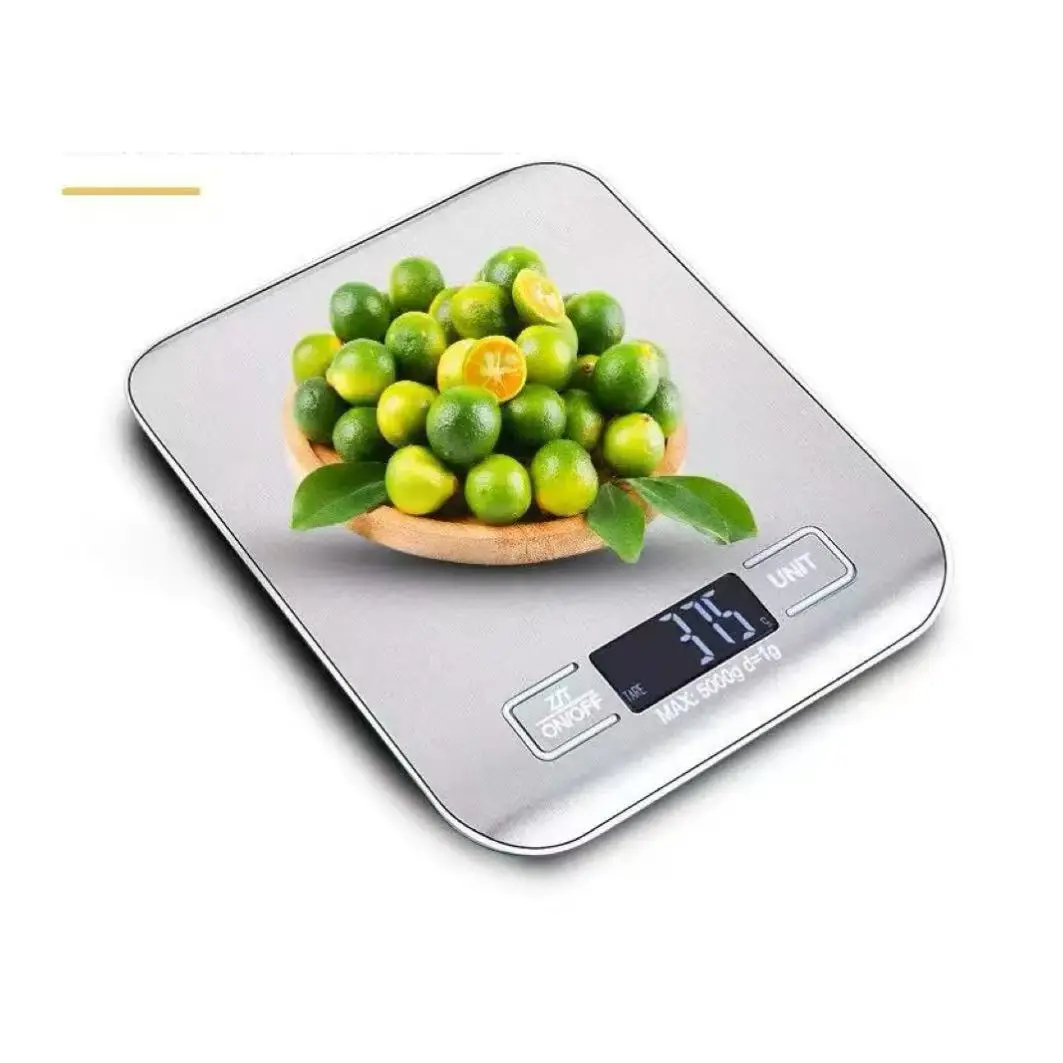


Browse kitchen and portion tools on Amazon
Food scales, portion containers and measuring sets, as an Amazon category search. We have not tested individual products.


