The Hidden Link Between Skin Barrier Repair and Weight Loss
The skin isn’t just an outer shell, it’s a dynamic metabolic interface that influences inflammation, hydration, and even energy balance. A compromised barrier doesn’t just cause dryness or irritation; it may also disrupt hormonal signals that regulate appetite and fat storage. Here’s how repairing your skin could indirectly hormones-weight-balance">support your weight-loss goals.
How Skin Barrier Dysfunction Triggers Inflammation
A 2022 systematic review found that microbial imbalance on the skin, dysbiosis, directly weakens the stratum corneum’s lipid matrix, increasing permeability to pathogens and environmental toxins. This breach triggers a cascade: innate immune activation releases pro-inflammatory cytokines (IL-6, TNF-α), which cross into circulation and elevate systemic inflammation.
Chronic low-grade inflammation is now linked to insulin resistance, leptin dysregulation, and visceral fat accumulation. The gut-skin axis further complicates this: microbial dysbiosis in the skin mirrors gut dysbiosis, exacerbating metabolic dysfunction. Skin Barrier Function and the Microbiome (2022) confirms this bidirectional relationship.
Ceramides: The Lipid Backbone of Barrier Repair
The stratum corneum’s lipid bilayer, composed of ceramides, cholesterol, and free fatty acids, forms a waterproof seal. Ceramide depletion (common in atopic dermatitis or chronic irritation) disrupts this arrangement, leading to transepidermal water loss and barrier compromise. Topical ceramides can restore lipid packing, but only when properly emulsified: undissolved ceramide particles actually worsen barrier function by clogging intercellular spaces.
Why does this matter for weight loss? A compromised barrier increases sensitivity to environmental stressors (e.g., UV, pollution), which further spikes inflammation. The result? Leptin resistance, your brain stops recognizing fullness signals, while ghrelin (the hunger hormone) remains elevated.
Vitamin C: Antioxidant or Topical Repair?
Vitamin C is critical for collagen synthesis and antioxidant defense, but its role in skin barrier repair is nuanced. A 2017 Nutrients review notes that while topical vitamin C (L-ascorbic acid) may mitigate UV-induced oxidative stress, its efficacy for barrier repair is limited. Dietary vitamin C (500–1,000 mg/day) shows stronger evidence for supporting epidermal keratinocyte turnover and reducing inflammation, key factors in metabolic health.
Here’s the paradox: A well-formulated ceramide cream may do more for barrier integrity than a vitamin C serum alone. The evidence here is mixed; context matters.
Myth: Skin Creams Don’t Affect Weight Loss
Many assume topical treatments are purely cosmetic. Microbial balance on the skin directly influences immune tolerance, poor barrier function primes the body for systemic inflammation, which correlates with higher visceral fat percentages. The connection isn’t direct, but it’s real.
Recommended Health & Fitness Gear



Practical Steps to Integrate Barrier Repair
1. Targeted Ceramide Formulas: Look for products with properly emulsified ceramides (e.g., ceramide NP, AP, or EOP) to avoid clogging. Ceramide formulation matters, undissolved particles fail to repair.
2. Gut-Skin combination: Fermented foods (sauerkraut, kimchi) and prebiotics (inulin, oligofructose) support skin microbial diversity, which indirectly reduces inflammation. The gut-skin axis is bidirectional.
3. Hydration Beyond Topical: Dehydration worsens barrier function. Aim for 2.7–3.7L water/day (varies by sex/activity) to maintain epidermal hydration. Harvard’s healthy weight guidelines emphasize hydration as a non-negotiable.
What This Means for You
Barrier repair creams aren’t a weight-loss shortcut, but they may reduce systemic inflammation, which indirectly supports metabolic health. The key is consistency: repairing the skin’s first line of defense creates a ripple effect across immune function, hydration, and even appetite regulation.
Energy balance still dictates outcomes. Context matters here.
How this article was made
Researched and drafted with AI assistance, then screened by automated checks for originality, exaggerated claims and structure before publishing. No clinician reviewed it, and it is general information rather than medical advice. Read more at About us, or write to us if you spot an error.
Advertising disclosure: the links below are affiliate links. We may earn a commission if you use them, at no extra cost to you. This does not change the article's content, and it is not a medical recommendation.
Browse kitchen and portion tools on Amazon
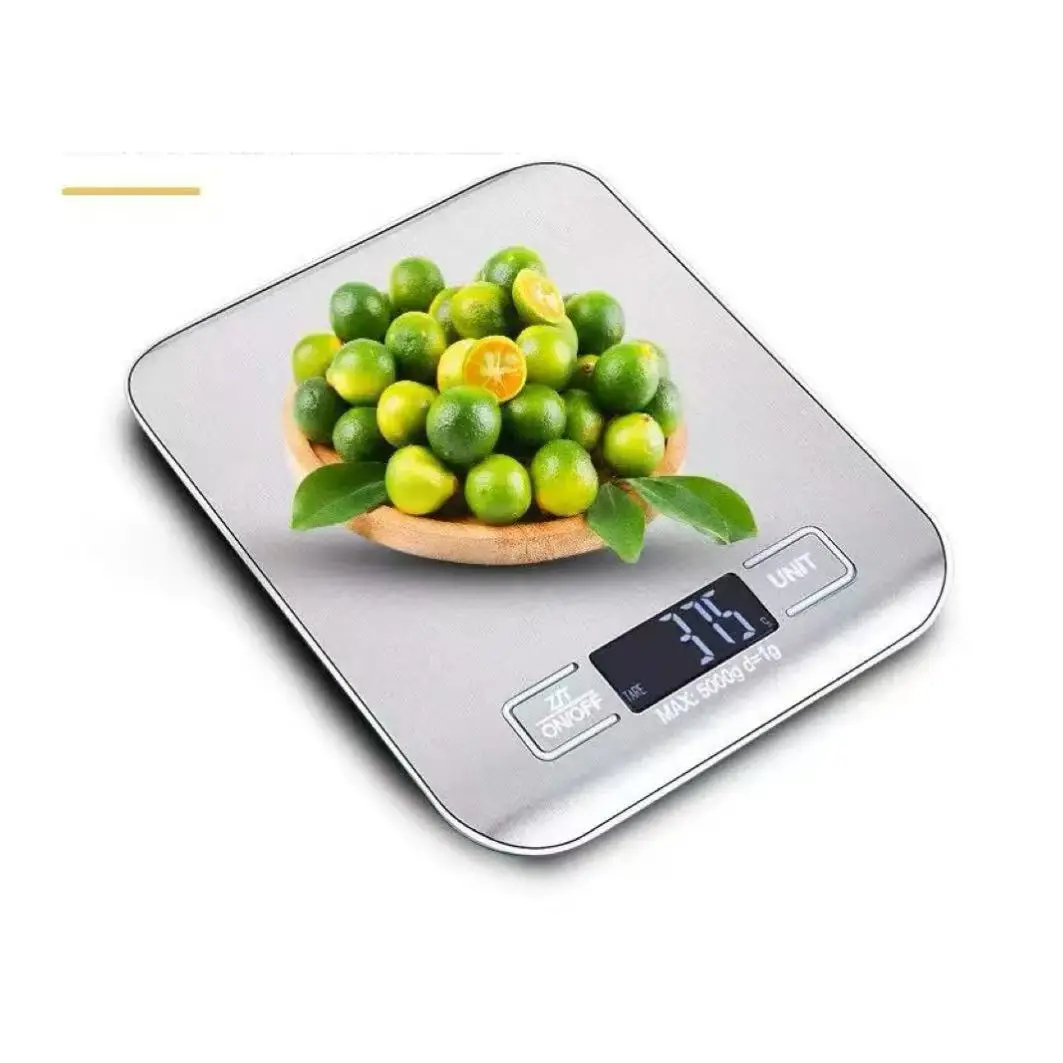
Food scales, portion containers and measuring sets, as an Amazon category search. We have not tested individual products.


